‘Suicide in response to debt-collection pressure’ to be explicitly listed as an aggravating factor; collection using composite photos also deemed a ‘highly egregious method’
- Input
- 2026-11-09 11:14:21
- Updated
- 2026-11-09 11:14:21
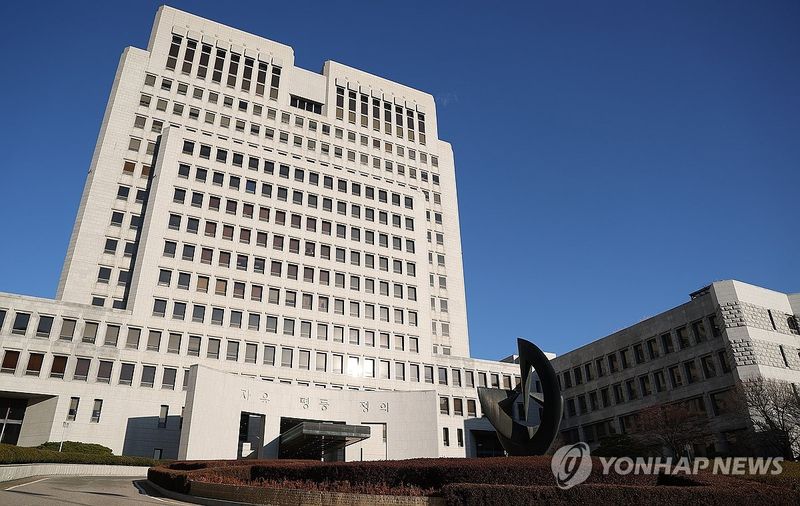
The Sentencing Commission of the Supreme Court of Korea said on the 9th that it had held its 149th plenary meeting on the 6th and reviewed proposed revisions to the sentencing guidelines for offenses under the Credit Business Act and the Debt Collection Act. At its meeting in June, it also considered sentencing ranges, sentencing factors and criteria for suspended sentences. This is a task for the second half of the 10th Sentencing Commission, led by chair Lee Dong-won.
The main focus is revising sentencing factors for offenses under the Debt Collection Act. The Commission introduced ‘cases in which serious harm is caused to the victim’ as a new special aggravating factor and defined the term. These include cases in which the victim, a person living with them or a family member suffers harm severe enough to change their way of life, such as moving, changing jobs, resigning or taking a leave of absence from school; cases resulting in extreme mental distress due to intense anxiety or fear; cases involving harm that is difficult to recover from, such as job loss, family breakdown, interruption of education, attempted suicide or suicide; and cases in which the victim’s social reputation is seriously damaged.
The Commission also established a separate definition for the existing special aggravating factor, ‘cases involving a highly egregious method of committing the offense.’ Until now, it had used the definition for offenses under the Credit Business Act as written, which did not cover the threatening or violent methods seen in illegal debt collection. The new criteria include carrying dangerous objects such as weapons; posing as a member of an organized crime group or disclosing a person’s criminal record; making specific threats against the safety of family members; and using improper means, including false or forged documents and manipulated photos.
A mitigating factor has also been added. The Commission introduced ‘cases in which the offense was committed with conditional intent’ as a new special mitigating factor. This reflects the fact that a considerable number of cases arise during legitimate debt-collection activities or involve people being indicted for the actions of an accomplice. The aim is to distinguish cases in which a person was only aware of the possibility that a debtor might feel fear or anxiety from cases involving definite intent.
Sentencing ranges have been raised for offenses under the Credit Business Act. For illegal private finance businesses and related offenses, the ranges are four months to one year and two months in the mitigated category, 10 months to two years and six months in the standard category, and one year and six months to five years in the aggravated category. For violations of interest-rate limits and related offenses, the ranges are up to eight months in the mitigated category, six months to one year and six months in the standard category, and 10 months to three years and six months in the aggravated category. The revisions reflect the 2025 amendment to the Credit Business Act, which raised the maximum statutory sentence for violations of interest-rate limits and related offenses from three years to five years in prison, and for illegal private finance businesses and related offenses from five years to 10 years. The current range will remain unchanged for receiving brokerage fees, for which the statutory sentence was not changed.
The sentencing ranges for offenses under the Debt Collection Act will remain unchanged. However, the lower limit of the aggravated range for conduct such as repeated or nighttime visits has been raised from six months to eight months so that it does not overlap with the upper limit of the mitigated range. Conduct newly added to the scope at the 146th meeting on June 22—including forcing someone to raise funds for repayment, demanding that someone other than the debtor repay the debt on their behalf, providing false information to a third party, and disclosing a person’s debt at their workplace—has been classified under this category.
The previous principle for offenses under the Credit Business Act is changing. The 8th Sentencing Commission did not treat a victim’s request not to punish the offender or recovery of the victim’s losses as mitigating factors, on the grounds that violations of the Credit Business Act protect the public interest in a sound financial order regardless of the wishes of the parties to a transaction. The Commission now considers that receiving brokerage fees and violating interest-rate limits also incidentally protects the individual interest of a debtor’s property rights, and that the resulting harm and any recovery can be identified. It has therefore added ‘the victim’s request not to punish the offender or substantial recovery of losses’ as a general mitigating factor for these two categories only. Correspondingly, it added ‘causing harm while attempting to reach a settlement’ as a general aggravating factor. Illegal private finance businesses and related offenses were excluded because it is difficult to identify specific harm arising solely from failure to register.
Sentencing guidelines are advisory standards that judges consult when determining sentences and are not legally binding. These proposed revisions have not yet been finalized. At its 150th plenary meeting on January 11 next year, the Commission plans to review proposed revisions to the sentencing guidelines for digital sex crimes and vote on the respective sentencing guideline proposals.
[email protected] Kim Dong-gyu Reporter