Hwang Woo-suk, who received 18.6 billion won in taxpayer funding, acquires UAE citizenship and loses South Korean nationality
- Input
- 2026-11-09 10:51:28
- Updated
- 2026-11-09 10:51:28
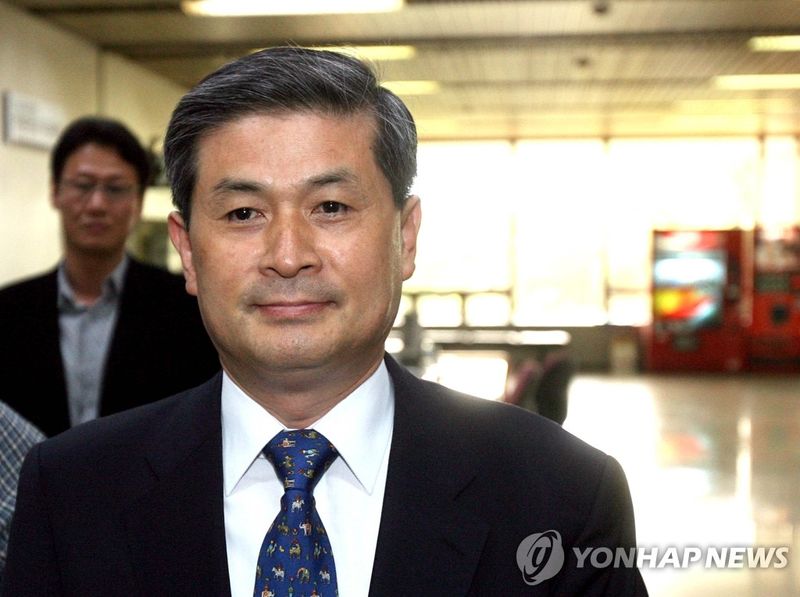
[Financial News] Dr. Hwang Woo-suk, who was dismissed from his professorship at Seoul National University over the fabrication of stem cell research papers, is reported to have lost his South Korean nationality after acquiring UAE citizenship. He previously received 18.6 billion won in research funding from the government and now leads a biotechnology research institute in the UAE.
According to the electronic Official Gazette and Money Today, among others, on the 9th, a person named “Hwang Woo-suk,” born in 1953 in Buyeo, South Chungcheong Province, appeared on a list of people who had lost their nationality, released by the Cheongju Immigration and Foreigners Office on August 13. Given the matching birth year and place of birth, as well as his continued research activities in the UAE, he is highly likely to be the same Dr. Hwang known for his stem cell research.
The list recorded the date of loss of nationality as April 9 this year and gave the acquisition of UAE citizenship as the reason. Under Article 15 of the current Nationality Act of the Republic of Korea, a South Korean citizen who voluntarily acquires foreign citizenship loses South Korean nationality at the time of acquisition.
Dr. Hwang currently serves as CEO of the biotechnology research institute UAE Biotech, located in Abu Dhabi, UAE. The institute’s website also lists his position as CEO.
A welcome message posted on the website outlined plans to contribute to improving animal health and conserving biodiversity through animal cloning, stem cell research, and gene-editing technology.
In 2021, the UAE amended its citizenship rules to allow citizenship to be granted to foreign nationals in certain fields, including scientists, doctors, and investors. Those eligible for citizenship are selected through recommendations from rulers, crown princes, government agencies, and others.
It has been suggested that UAE Deputy Prime Minister Sheikh Mansour bin Zayed Al Nahyan may have been involved in Dr. Hwang’s acquisition of UAE citizenship. Mansour is also known as the owner of Manchester City, a club in the English Premier League.
In a paper on camel cloning published in March 2024, Dr. Hwang thanked Mansour, saying he had conducted the research with Mansour’s support. Appearing in the Netflix documentary King of Clones, he also described Mansour as his boss. However, it has not been confirmed whether Mansour recommended him during the actual citizenship process.
Dr. Hwang is reported to have begun receiving substantial research support from the UAE around 2019. The Sooam Biotech Research Foundation, which he established after his dismissal from Seoul National University in 2006, changed its name to the Abu Dhabi Biotech Research Institute in August 2019. It completed its corporate liquidation proceedings last December.
In a video posted on the research institute’s social media in August, Dr. Hwang also expressed gratitude for research support from the UAE government. He said he wanted to contribute to animal health and agriculture, as well as the protection of endangered species and the conservation of biodiversity, adding, “The UAE is an ideal place to lead the future of biotechnology.”
When Dr. Hwang was conducting stem cell research in South Korea, he received a large amount of research funding from the government. According to data released by the Board of Audit and Inspection in February 2006, total government funding allocated to Dr. Hwang amounted to 18.6 billion won.
Of that amount, 10.6 billion won was for research alone, excluding facility-related costs such as new building construction. This funding came from taxpayers’ money and was separate from donations received from the private sector.
Dr. Hwang drew worldwide attention when he published papers on human embryonic stem cell research in the international journal Science in 2004 and 2005. But after the papers were found to have been fabricated, he was dismissed from his professorship at Seoul National University in 2006. He was also stripped of his status as the government-designated first “Top Scientist.”
Korea’s Top Science and Technology Award, which he received in 2004, was also revoked 22 years later, on July 14 this year. The government had decided to revoke the award in 2020, but a court found procedural problems with that decision. The government later addressed the necessary procedural requirements, including hearing the recipient’s views, and decided again to revoke the award.
[email protected] Han Seung-gon Reporter