50-year-old Incheon Bupyeong-Juan industrial complexes to get major overhaul with 34.1 billion won investment
- Input
- 2026-11-09 10:30:14
- Updated
- 2026-11-09 10:30:14
【Financial News, Incheon = Han Gab-soo, reporter】Established in the late 1960s, the Bupyeong-Juan National Industrial Complex has served as a central pillar of Incheon’s manufacturing industry for more than half a century. It is set to undergo major environmental improvements. Once a driving force behind industrialization, the complex has seen aging roads, chronic parking shortages and poor pedestrian conditions increasingly inconvenience businesses and workers.
Incheon City said on the 9th that it will invest 34.1 billion won to upgrade aging infrastructure and transform the industrial complex into a new industrial hub combining workplaces with spaces for daily life.
The city is moving ahead in earnest with the project after receiving final notice that the proposed regeneration district plan for the Bupyeong-Juan Korea Export National Industrial Complex had been approved as submitted by the Ministry of Land, Infrastructure and Transport’s Industrial Location Policy Deliberation Committee.
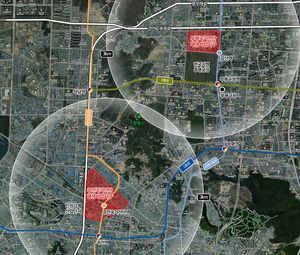
The project covers the Bupyeong District (Complex 4), in Cheongcheon-dong, Bupyeong District, and the Juan District (Complexes 5 and 6), which spans Sipjeong-dong in Bupyeong District, Gajwa-dong in Seohae-gu and Juan-dong in Michuhol-gu. The total area is 1,858,735 square meters, comprising 609,067 square meters in the Bupyeong District and 1,249,668 square meters in the Juan District. The total project cost is 34.147 billion won.
The project was launched following the government’s selection of the industrial complex restructuring project in 2020 and the designation of the area as a district for the competitiveness enhancement project for aging industrial complexes in 2021. The city developed the regeneration plan after about five years of surveying business conditions and gathering opinions from workers and business owners.
The most urgent task is to address chronic parking shortages. The city plans to add 493 parking spaces in total, including 206 spaces in an underground garage at Incheongyo Park and 287 on-street spaces.
The city will also improve worker rest areas and the green environment. Seohae-gu Office plans to upgrade 21,274 square meters of Incheongyo Green Space and connect it to nearby Incheongyo Park and Bupyeong Yeolumul Forest through green-space and pedestrian networks.
The city will also improve roads and pedestrian conditions. Gilpa-ro in the Juan District will be turned into a metasequoia-lined forest path, while Yeomjeon-ro will become a youth culture street. Annam-ro and Pyeongcheon-ro in the Bupyeong District will also be upgraded. Aging sidewalks will be resurfaced, and smart shade shelters, art benches, smart streetlights and nighttime lighting will be installed. The city plans to add parking for bicycles and personal mobility devices (PMs), as well as garden-style green strips, to create streets designed around pedestrians.
The project is an effort to boost the industrial complex’s competitiveness, going beyond simple infrastructure upgrades. In the past, production facilities and access to logistics were key factors in companies’ site selection. Now, working conditions, rest areas and living conditions favored by young people are also emerging as factors that shape business competitiveness.
The city plans to begin infrastructure upgrade work in the first half of 2027 and complete the project by December 2029.
The Bupyeong-Juan National Industrial Complex, which has led Incheon’s manufacturing industry for more than half a century, is drawing attention as to whether this project can help it move beyond cosmetic improvements and become a competitive industrial hub that businesses and workers want to return to.
A city official said, “We will carry out the Bupyeong-Juan National Industrial Complex regeneration project without a hitch, expand inadequate infrastructure and improve working conditions.”
[email protected] Han Gab-soo Reporter