JTBC launches public sale on the 9th, faces ‘corporate bond’ dilemma amid ownership limits [fn Market Watch]
- Input
- 2026-11-09 09:03:37
- Updated
- 2026-11-09 09:03:37
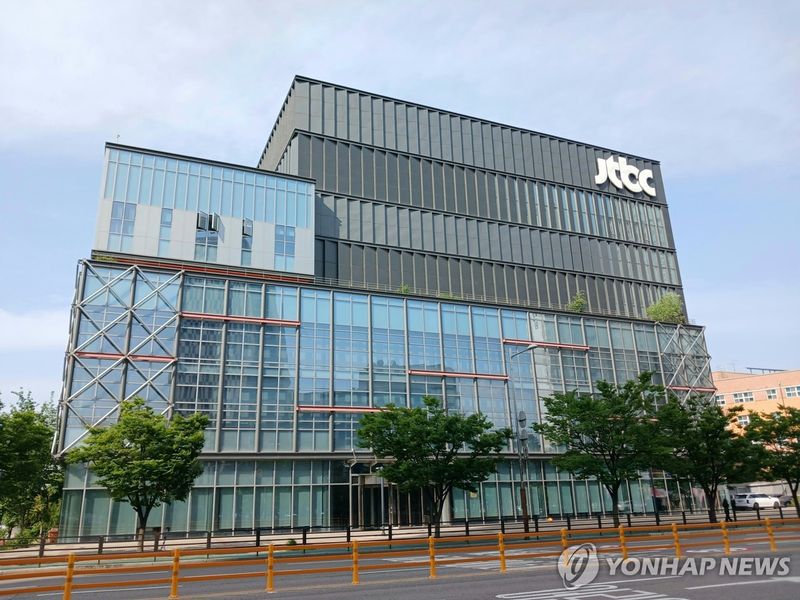
According to investment banking (IB) industry sources on the 9th, JTBC began a sale process that day through open competitive bidding. The sale adviser is Ernst & Young Han Young (EY Han Young). The transaction is being conducted as an M&A before approval of a rehabilitation plan, using methods including a paid-in capital increase through a third-party allotment and the issuance of corporate bonds. The funds raised will be used to repay existing rehabilitation debts, among other purposes. ■ Corporate bonds seen as an option amid ownership limits, but new debt remains a challengeThe key variable in this acquisition is the ownership restriction on general programming channels. Under the current Broadcasting Act, the general rule is a 40% cap on ownership, including shares held by specially related parties. A 30% cap applies to companies belonging to large business groups and corporations that operate daily newspapers or news agencies, among others. This means that even well-capitalized investors face limits on the stake they can acquire on their own.
As a result, alternatives under consideration include joint investment by multiple investors, or combining a paid-in capital increase with the purchase of corporate bonds. Under such structures, several investors could split the equity contribution, or provide funds by purchasing bonds separately from acquiring shares. The approach could expand the resources available to repay creditors while complying with ownership restrictions, analysts say.
The problem is that corporate bonds are debt, not equity. A paid-in capital increase boosts shareholders’ equity, while ordinary corporate bonds carry interest payments and an obligation to repay principal at maturity. If JTBC issues bonds directly, new debt will remain even if existing liabilities are settled. That is why not only the size of the acquisition financing but also who bears the repayment burden is becoming important.
One IB industry official noted, “A range of investment structures is possible, such as purchasing corporate bonds issued by JTBC or having multiple investors contribute jointly,” adding, “However, if corporate bonds make up too large a share, the burden of new debt could grow even if existing debt is repaid.”
Forming a consortium would involve more than simply spreading ownership among investors. Depending on how they exercise voting rights jointly and secure management control, the arrangement could require approval for a change from the broadcasting regulator, so the ownership percentages and governance structure must be considered together.
■ 471.6 billion won in current liabilities...cash generation after rehabilitation is keyJTBC also faces substantial existing financial burdens. According to information made public by the Seoul Bankruptcy Court, as of August 28 it had about 471.6 billion won in current liabilities and an accumulated deficit of about 707.5 billion won. However, not all current liabilities are confirmed rehabilitation claims, and the acquisition funding required will vary depending on the final scale of debt adjustment and the repayment rate.
Restoring its ability to generate cash after rehabilitation is also a challenge. A contraction in the broadcast advertising market, rising content production costs and the burden of Olympic broadcast rights fees have been cited as causes of the liquidity crisis. Even if existing debt is settled, interest payments and repayment at maturity on new corporate bonds could become a burden again if operating cash flow does not improve.
Review by the broadcasting regulator is another variable. The Korea Media and Communications Commission (KMCC) approved a plan to pursue the renewal of JTBC’s approval last month, on the 7th. It is set to receive a revised business plan within six months and decide whether to renew the approval, among other matters, within two months of its submission. This is a separate process from approval of a change in the largest shareholder. Prospective buyers must demonstrate not only their ability to repay creditors but also the financial capacity to operate a stable broadcasting business.
Because this is an M&A before approval of the rehabilitation plan, the consent of creditors and other interested parties is also required. Protecting liquidation value is an important criterion, but the actual acquisition price is expected to be determined by weighing a range of factors, including the funds available for creditor repayment and the strategic value of the broadcasting channel.
Another IB industry official explained, “Even if JTBC’s liquidation value is not substantial, it would be difficult to set the actual sale price simply at that value.”
Multiple potential investors are currently said to be interested in acquiring the company. However, it has not been confirmed whether they will actually participate in the bidding or what investment structures they may use.
According to the Seoul Bankruptcy Court’s sale notice, letters of intent (LOIs) must be submitted by 3 p.m. on December 4. Following preliminary due diligence, final bids are due by January 15 next year, and the deadline for submitting a rehabilitation plan is January 29 next year.
[email protected] Kim Hyun-jung Reporter