POSCO wage talks deal rejected; renegotiations and strike resumption loom
- Input
- 2026-11-08 15:50:09
- Updated
- 2026-11-08 15:50:09
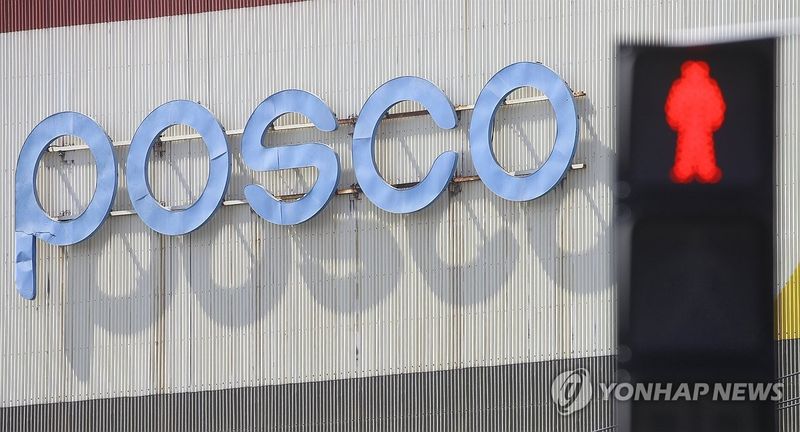
[Financial News] A tentative agreement on this year’s wage negotiations, reached by POSCO management and labor after 140 days of talks, was rejected in a vote by union members. The agreement, centered on a 2.6% base-pay increase and a total of 6 million won in payments including bonuses, failed to win majority support, leaving the two sides to resume negotiations. Whether the union will resume industrial action after staging its first strike since POSCO’s founding last September has also emerged as a key uncertainty.
On the 8th, POSCO management and labor said that a vote held the previous day on the tentative wage agreement by the POSCO Labor Union, the lead bargaining union affiliated with the Federation of Korean Trade Unions (FKTU) and the Federation of Korean Metalworkers’ Trade Unions (FKMTU), resulted in rejection, with 4,433 votes (48.31%) in favor and 4,744 (51.69%) opposed.
POSCO management and labor had reached a tentative agreement centered on a 2.6% base-pay increase during main negotiations held at the company’s headquarters in Pohang on October 30. The agreement came 140 days after their initial meeting in June.
The tentative agreement included a total of 6 million won in payments: a 2.6% base-pay increase, 3.5 million won in target-achievement bonuses, 2 million won in settlement and labor-management harmony incentives, and 500,000 won in local love gift certificates. It also included a special promotion of three pay steps, higher holiday bonuses, additional allowances for shift workers on holidays, improvements to resident-duty and maintenance allowances, and expanded medical expense support.
The union had initially sought a 7.1% increase in base pay in this year’s wage negotiations. The company, meanwhile, maintained that it would be difficult to accept the union’s demand, citing weak conditions in the steel industry and deteriorating performance. The increase it offered gradually rose over the course of negotiations, but the base-pay increase in the tentative agreement was 4.5 percentage points below the union’s initial demand.
As the gap between labor and management remained unresolved, the union launched its first strike since POSCO’s founding last September. After two partial strikes, negotiations remained difficult and the union threatened a third strike, but further strike action was put on hold for the time being after a tentative agreement was reached late last month.
With the tentative agreement rejected in the vote by union members, the two sides now have to renegotiate wage increases and compensation terms. The union may seek improved terms compared with the previous agreement, while the company must take into account the business burden caused by the downturn in the steel industry, so difficult negotiations are expected.
Whether the union resumes industrial action is also drawing attention. The union says it may consider responses such as renegotiation or continuing industrial action following the rejection of the tentative agreement. However, no specific schedule for further strikes has been confirmed. If negotiations drag on and industrial action at production sites expands, this could also put pressure on operations and delivery schedules.
A POSCO representative said, "Guided by the principle of labor-management cooperation, we will give careful consideration to business conditions and our employees’ sentiments and continue sincere communication to the very end so that we can reach an amicable agreement."
[email protected] Kim Mi-hee Reporter