[Exclusive] K-Livelihood Support Loan faces projected loss rate of 52.4%... “1.5 trillion to vanish over 10 years”... FSC seeks budget increase
- Input
- 2026-11-08 15:39:57
- Updated
- 2026-11-08 15:39:57
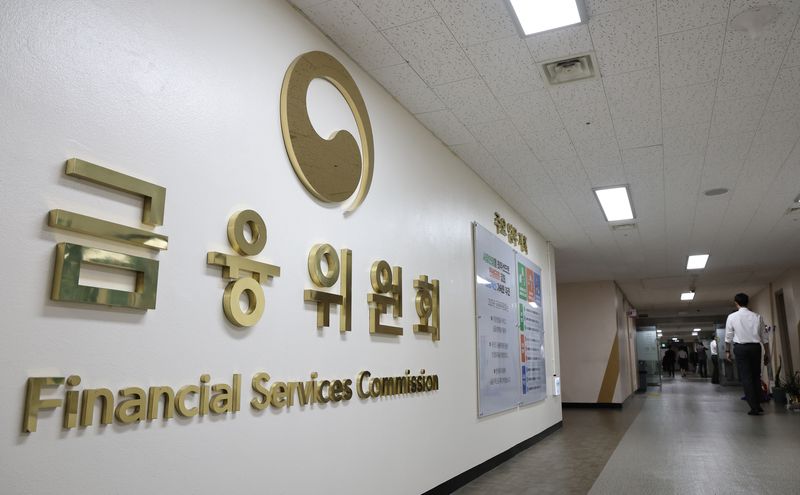
[Financial News] The Financial Services Commission (FSC) forecast that it would be unable to recover about half of the principal lent through the K-Livelihood Support Loan, a financial product for ordinary citizens set to launch next year. The government’s 2027 budget proposal allocates ₩300 billion to the program, but an analysis found that even if it runs for 10 years and lends a total of ₩3 trillion, about ₩1.572 trillion would not be repaid.
According to the 2027 Financial Services Commission budget proposal review report obtained on the 8th through the office of Kim Jae-seop of the People Power Party, a member of the National Policy Committee, the FSC estimated the K-Livelihood Support Loan’s final loss rate at about 52.4%. This is higher than the delinquency rate for the existing Illegal Private Finance Prevention Loan: 11.7% in 2023, 32.2% in 2024, 37.8% in 2025, and 43.7% as of the end of August 2026.
The Livelihood Support Loan is a policy-finance product created in line with the Lee Jae Myung administration’s financial inclusion policy. It is a program that lends ₩1 million at an annual interest rate of 4.5% for up to 10 years to people in the bottom 50% by credit score. Those who repay diligently can borrow an additional ₩1 million. The government’s budget proposal submitted to the National Assembly allocates ₩300 billion.
The National Policy Committee’s expert adviser agreed that a high loss rate was inevitable, given that the program was intended to support financially vulnerable groups. The report explained, “There is a possibility of losses at a higher level than with general financial products,” adding, “In light of the policy objectives, accepting some of these losses is unavoidable to a certain extent.”
However, it clearly voiced concern that, with the FSC estimating the loss rate at 52.4%, the funds available through the recovery of loan principal and interest could decline. There are concerns that the fiscal burden could grow in order to maintain the scale of policy-finance provision. In particular, it expected losses to arise over an extended period because the loan term is set at 10 years. Calls have been made for thorough management before and after lending to ensure smooth implementation of the policy. The report stressed that loans should be managed through close assessments of borrowers’ repayment capacity, early counseling for delinquent borrowers, and links to welfare services, in order to ease the fiscal burden over the medium to long term. Meanwhile, the FSC recently told the National Assembly that an additional ₩100 billion in next year’s budget would be needed to expand the supply of the K-Livelihood Support Loan.
Earlier, the National Assembly Budget Office also raised concerns that, because the Livelihood Support Loan has no income requirements, it could serve as a source of emergency cash for high-income earners. The office said, “It is somewhat unnecessary and inappropriate to include even ultra-high-income earners with annual incomes of ₩100 million or more among those eligible for support to prevent the use of illegal private lenders,” adding that “a thorough review is needed.” In response, the FSC explained, “We did not set a separate income requirement so as not to exclude people who have difficulty obtaining funds because they are facing exceptional circumstances such as disasters or illness,” and said, “We will assess the need and urgency of financial assistance through in-person consultations, so high-income earners who can access institutional finance will not receive support.”
[email protected] Lee Hae-ram, Park Mun-su Reporter