Telemedicine app’s “BEST Medicines”... Supreme Court: “Prescription drug advertising, even if it makes no money”
- Input
- 2026-11-08 10:39:14
- Updated
- 2026-11-08 10:39:14
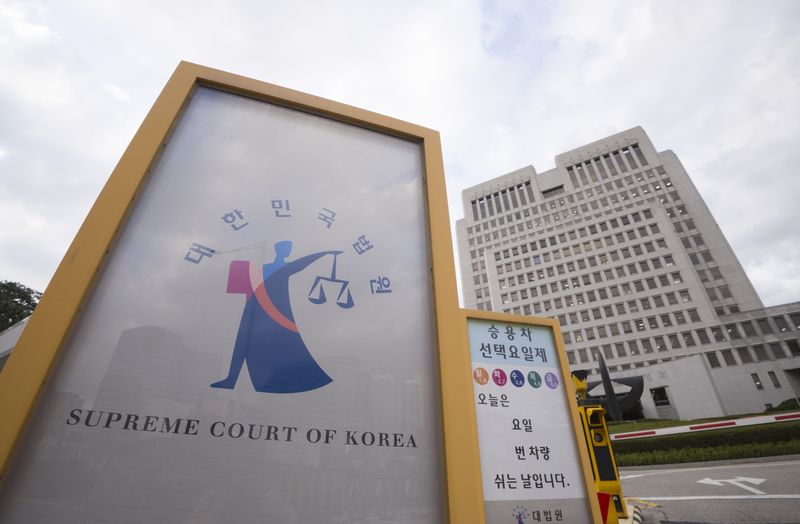
According to legal circles on the 8th, the Supreme Court’s Second Division, with Justice Oh Kyung-mi presiding, upheld on the 8th of last month a lower court ruling that deferred sentencing the telemedicine platform operator and its then CEO, identified as A, to fines of 3 million won each. A was indicted on charges of advertising prescription drugs by selecting and posting them by condition—including skin conditions and acne, hair loss, weight loss, artificial tears, and allergies—through the app’s “Get a Prescription for the Medicine You Want” section, which featured the “BEST Medicines” service, from May 10 to June 22, 2022.
When users tapped on a drug, they could see not only its name, effects, and price, but also detailed reviews left by other patients. Users could add a medicine they wanted to their cart and request a prescription, after which they would receive a prescription for it following a telemedicine consultation. On June 9, 2022, the company changed the service’s name to “Most Viewed Medicines.”
The first trial court deferred sentencing each of the two defendants to a fine of 3 million won. A deferred sentence is a disposition in which a court finds the defendant guilty but postpones pronouncing sentence; if two years pass, the defendant is deemed to have been discharged from prosecution. The court found that the service went beyond simply providing information, citing the fact that it linked patients to select prescription drugs themselves and obtain prescriptions before a doctor made a decision; that users could mistake a ranking based on click counts for a ranking of the best medicines; and that the featured medicines had an overwhelmingly high number of prescriptions. The second trial court also dismissed the appeals filed by both sides.
The issue was whether the service constituted prescription drug advertising prohibited under Article 68(6)(1) of the Pharmaceutical Affairs Act. The defendants argued that they had no intention of promoting sales or obtaining economic benefits.
The Supreme Court defined “advertising” under the provision as “any means used with the aim of widely disseminating information about prescription drugs—including their names, manufacturing methods, efficacy, or performance—to an unspecified large number of people, or the act of widely disseminating such information using those means.” It added, “Once such conduct has taken place, a profit-making motive or purpose is not required.”
The court cited the need to prohibit prescription drug advertising through mass media to ensure the safe use of medicines. It applied the same standards set out in rulings issued in January 2002 and June 2016. Violations of Article 68 of the Pharmaceutical Affairs Act are punishable by up to one year in prison or a fine of up to 10 million won.
[email protected] Kim Dong-gyu Reporter