Middle school students grow native plants in classrooms... Hyundai Motor expands environmental education
- Input
- 2026-11-08 10:03:01
- Updated
- 2026-11-08 10:03:01
[Financial News] Hyundai Motor is expanding environmental education for future generations focused on biodiversity conservation and resource circularity. The program helps middle school students better understand environmental issues by having them grow native plants themselves and document their development. It focuses on supporting students in putting environmental protection into practice in their school lives, moving beyond one-off lessons.
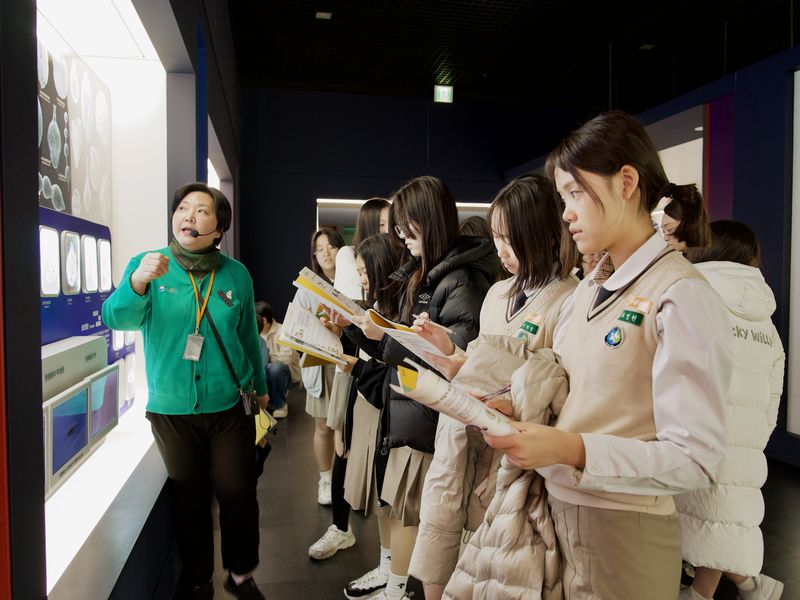
Hyundai Motor said on the 8th that it held the Colorful School 2026 results-sharing event on the 7th at the National Institute of Biological Resources in Seo-gu, Incheon, with students and teachers from environmental clubs at five Seoul middle schools in attendance.
Colorful School is an environmental education program jointly run by Hyundai Motor, the National Institute of Biological Resources, the Seoul Metropolitan Office of Education, and IPC Social Cooperative, which signed an MOU in May. As part of Hyundai Motor’s social-contribution campaign Colorful Life, the program included five schools in Seoul this year: Daechi, Munchang, Songnye, Pungnap, and Hangdong middle schools.
For six months starting in May, students grew seeds and seedlings of three native plant species provided by the National Institute of Biological Resources, including cheungkkotnamu, kkulppul, and gujeolcho, in their classrooms. By observing the plants grow, bloom, and produce seeds, they experienced the importance of biodiversity conservation.
In particular, students created archival books in picture-book form documenting the plants’ growth and their own experiences in the program. The distinctive feature was that students did more than simply grow plants: they recorded and shared their observations themselves.
At the results-sharing event, participants presented examples of environmental practices at each school and shared their experiences from the past six months. Signboards for each school, made from recycled plastic, were also presented. The signboards will be displayed in the schools’ science labs to document the students’ achievements and encourage continued environmental action.
The event also featured hands-on activities, including a biodiversity quiz, making key rings from waste plastic, and decorating bags with patches bearing environmental messages. Paper and reusable, eco-friendly materials were also used for event banners and display structures, underscoring the importance of resource circularity.
Cha Jae-min, a third-year student at Pungnap Middle School who took part in the program, said, “I was proud to be able to grow plants myself,” adding, “I felt sad when I heard that wild plants are declining, and it made me want to protect them.”
A Hyundai Motor representative said, “We hope students will build on their experience of growing native plants themselves over the past six months and continue taking small steps for the environment at school, at home, and in their communities.” The representative added, “We will continue to support future generations so they can experience and put into practice the value of biodiversity and resource circularity.”
[email protected] Kim Dong-ho Reporter