“The Senior Market Will Grow Only When Retirement Income Is Stable” — Employment, Pensions and Finance Must Be Connected
- Input
- 2026-11-08 17:00:00
- Updated
- 2026-11-08 17:00:00
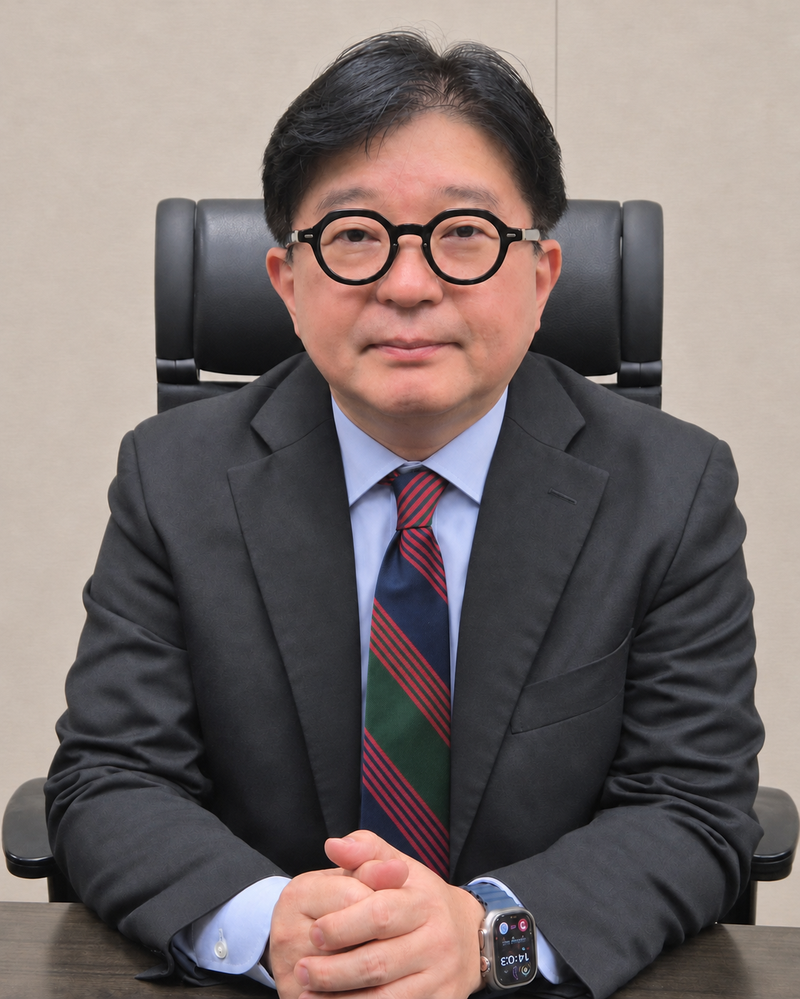
MJ Kim, Senior Research Fellow at Japan’s NLI Research Institute, met with Financial News at NLI’s office in Tokyo’s Chiyoda Ward on the 3rd. “The market does not grow simply because the elderly population is increasing,” he said. “Even when people need a service, they may put off using it if they cannot afford the cost or feel uncertain about their future livelihood.”
He emphasized the need to connect jobs, pensions and financial services. Companies handle employment, financial firms manage assets, and the government oversees pensions and welfare, but for individuals, these all come together as a single issue of living expenses. Since people still have to repay loans and care for their families even when their salaries fall after retirement, support must also continue in step with the course of their lives, he explained.
MJ Kim, who has researched employment and social security policies in South Korea and Japan, will speak at the “2026 fn Senior Industry Conference,” to be held on the 12th at Bankers’ Hall in Seoul’s Jung-gu district. “The shared challenge is to connect employment and income security in line with the course of each person’s life,” he stressed.■ Extend employment until pension benefits begin... Plan wages and job duties, tooThe first priority MJ Kim identified was narrowing the income gap between retirement and the start of pension benefits. If people leave the workforce early and use their savings or retirement pensions for living expenses, they may not have enough money left when they reach an age at which working becomes difficult.
He pointed out that “there are limits to narrowing the income gap if people are expected to get by from retirement until they receive their pensions solely on personal savings or unstable reemployment.” To reduce “longevity risk”—the risk of outliving one’s savings—stable pathways to work until pension benefits begin must first be established, he said.
As Japan raised the age at which people can receive pensions, it required companies to secure employment through age 65 by extending or abolishing mandatory retirement ages, rehiring employees after retirement and other measures. In April last year, a transitional measure that had allowed employers to limit who was eligible for continued employment expired, making everyone who wished to continue working eligible in principle.
Extending the employment period alone, however, is not enough. In Japan, the problem remains that wages and working conditions often deteriorate sharply when retirees are rehired. MJ Kim said a steep drop in wages could undermine workers’ motivation and fail to benefit productivity or corporate profits. He called for companies to plan job and wage-system reforms, retraining and youth hiring alongside schedules for extending employment. He also said support for small and medium-sized enterprises and workers in precarious employment should be provided at the same time, so that the benefits do not go mainly to permanent employees at large companies.
Nishijima, a Japanese machine-tool manufacturer, has allowed employees to work without a mandatory retirement age while assigning managerial positions to younger and mid-career employees. It has created a path for employees in their 50s to return to the shop floor, apply their expertise as “craftspeople” and mentor junior colleagues.■ Review jobs, pensions and living expenses before retirementEven when employment is extended, some people will find it difficult to keep working at their current workplace. They may have to quit because of declining health or family caregiving responsibilities. The “integrated employment and income counseling” MJ Kim proposed as a task to pursue over the next 3–5 years aims to help people prepare for such situations before they retire.
Counseling should assess in one place how long a person can keep working, when and how much they will receive in pension benefits, and how they will cover their living expenses in the meantime. It should not stop at separate consultations on jobs and pensions, but lead to practical support, he said.
He stressed that “the counseling should lead to reemployment, vocational training and applications for welfare benefits, and those who are unable to work because of health or caregiving issues should be connected with income support and services.” In other words, people who can work should be offered suitable jobs and training, while those who cannot continue working should receive support to protect their livelihoods.
He proposed that companies first assess the roles and skills of employees who will retire in the coming years. They should identify the work those employees could continue doing and develop concrete plans for the necessary training and adjustments to working hours. He urged government ministries responsible for employment, pensions and welfare to jointly identify income gaps and gaps in support after retirement, and to pilot integrated support.
“The key is to distinguish between ‘being able to work’ and ‘finding it difficult to make a living without working,’” MJ Kim said. Even if the employment rate is high, it is difficult to say that retirement is secure if a person’s livelihood becomes unstable the moment they stop working, he explained.■ The market will grow only when people can spend with confidenceAfter people stop working, public pensions should support their basic living needs, while occupational and personal pensions should make up the shortfall, he said. Financial firms should manage not only how much people accumulate in assets but also how long they can live on that money.
The starting point should be reviewing living expenses, not selling products. Providers should compare the public and private pension benefits of clients nearing retirement with their essential living expenses to determine how much they will be short each month. If they plan to cover the shortfall by drawing on savings, they should calculate how long those funds will last and set aside money for unexpected expenses such as medical care and caregiving.
MJ Kim said, “You should not calculate living expenses only up to the average life expectancy.” People should also consider the possibility of living longer than expected, rising prices, and a decline in household income if their spouse dies first. They should then adjust their plans for drawing on their money if their health or family circumstances change. He recommended low-cost counseling that is accessible even to people with limited assets.
Being able to anticipate income and expenses also gives older people more leeway to spend on their current lives. When income is uncertain, they may cut back first on exercise programs or meal, transportation and household support. But stable income combined with affordable fees makes continued use more likely. It also makes it easier for companies to forecast demand and invest in staffing and service quality.
However, higher income does not necessarily mean greater consumption of a particular service. The price, need and accessibility must all be in place. MJ Kim stressed that the problem should not be addressed by making people who lack enough for living expenses take on more investment risk.
He said, “If even essential services are left to individuals’ purchasing power, the market is likely to be shaped around high-income groups,” adding that the public sector should guarantee basic living needs and essential medical care and caregiving, while the private sector expands convenience and the range of choices on that foundation.
[email protected] Seo Hye-jin Reporter