Seoul rolls out comprehensive winter plan, expanding cold-wave shelters and shortening snow-clearing times
- Input
- 2026-11-08 11:15:00
- Updated
- 2026-11-08 11:15:00
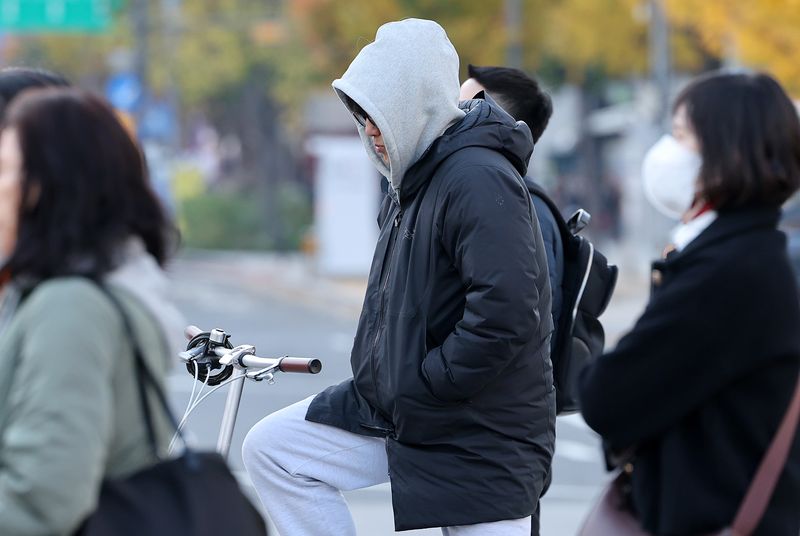
Seoul said on the 8th that it will implement its “2026 Comprehensive Winter Plan” for four months, from the 15th through March 15 next year. The plan consists of 14 initiatives across four areas: cold waves, snow removal, safety and daily life. The city plans to operate situation rooms for each area to respond to emergencies.
The most notable change this year is the expansion of cold-wave shelters. Following “Haepiso,” outdoor shelters from summer heat, the city is introducing “Ongiso,” outdoor cold-wave shelters for winter. Ongiso is a mobile, air-dome-style facility equipped for heating and rest.
The city will also open two 24-hour, unmanned, container-style shelters for mobile workers such as delivery riders. It will use the dining areas of about 3,000 CU convenience stores in Seoul as temporary shelters, and operate mobile shelters using minibuses in areas where mobile workers congregate.
The city will operate 1,461 cold-wave shelters for the general public and 409 Climate Companion Shelters in private facilities such as convenience stores and banks. It will add 402 cold-wave mitigation facilities, including heated benches and windbreak tents, bringing the total to roughly 5,800 locations or more.
The city will also strengthen protections for groups vulnerable to cold waves. It will increase the number of older adults receiving care from 41,419 last year to 43,957 this year, and use Internet of Things (IoT) devices to check on the safety of about 13,000 high-risk households.
The city will provide 50,000 won per household in winter preparedness assistance to 267,000 low-income households. It will also distribute heating tents, winter blankets and other items to 31,000 energy-vulnerable households.
To cut the time for each application of de-icing agent from the previous 90–120 minutes to 60 minutes or less during heavy snowfall, the city will expand the number of snow-removal routes on major roads from 487 to 525.
In particular, dedicated snow-removal teams will be established at 312 locations near subway stations, and 7,421 locations around public transportation facilities—including 7,109 bus stops—will receive focused attention. The city plans to operate road heating systems at 1,058 locations and automatic brine-spraying systems at 609, among other facilities, and secure 16,848 snow-removal workers, 1,265 snow-removal vehicles and 85,354 tonnes of de-icing agent.
At Snow Removal Level 2, the peak commuting-hour service period for buses and subways will be extended by 30 minutes, and at Level 3 by 60 minutes.
The city will also step up facility inspections to prevent winter fires and safety accidents. By February next year, it will inspect 2,771 fire-prone facilities, including buildings open to the public, and 576 construction sites with a gross floor area of at least 2,000 m2. It will provide automatic fire extinguishers to 2,000 households without sprinklers where children, older adults living alone, people with disabilities or others vulnerable to fire reside.
To respond to medical emergencies, the city will activate a medical system linked to 71 emergency medical institutions and operate a disaster medical support team made up of 980 medical personnel.
Vehicles classified as Grade 5 for emissions that have not undergone emissions-reduction measures will be barred from operating throughout Seoul on weekdays from 6 a.m. to 9 p.m. Violators will face a fine of 100,000 won per day.
Kang Kyung-hoon, acting director of policy planning for the Seoul Metropolitan Government, said, “This winter, we have further strengthened our response system to protect residents’ daily lives, including by expanding cold-wave shelters and speeding up snow-removal response.” Kang added, “We will carefully look after neighbors vulnerable to cold waves and respond swiftly to heavy snowfall.”
[email protected] Lee Seol-yeong Reporter