Iran considers Qatar-mediated nuclear talks proposal, raising possibility of resuming dialogue with US
- Input
- 2026-11-07 09:14:36
- Updated
- 2026-11-07 09:14:36
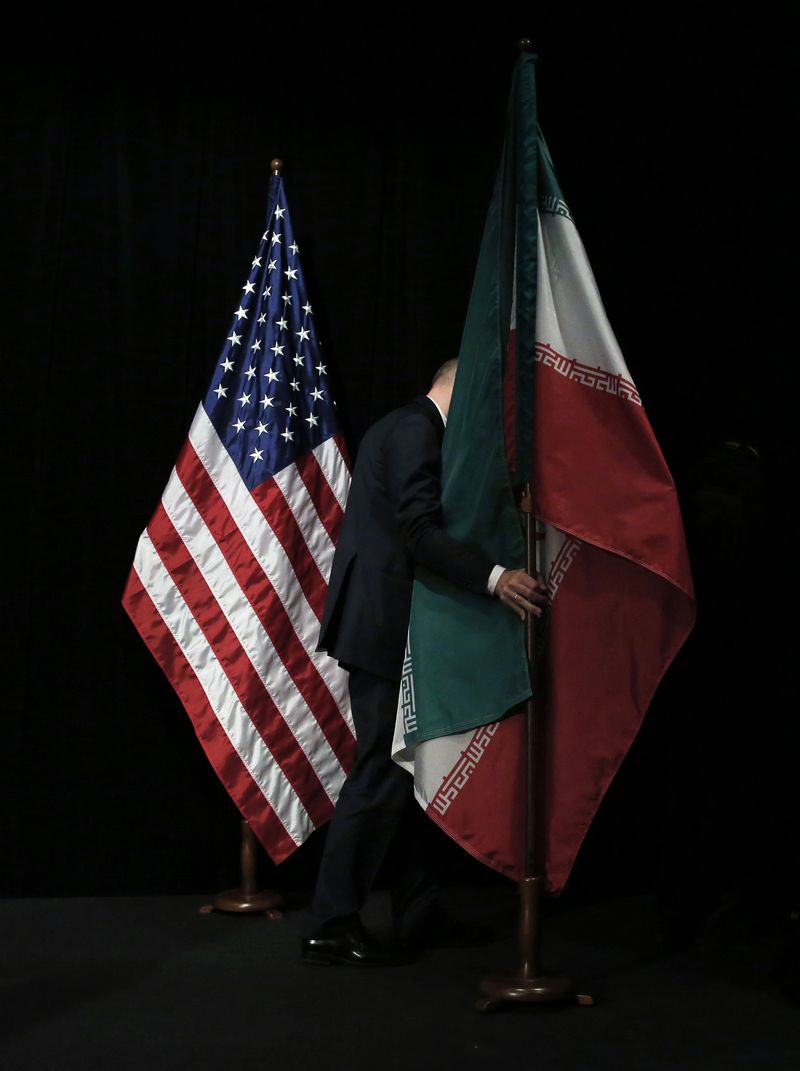
[Financial News] Iran is reportedly considering a mediation proposal put forward by Qatar to resolve its dispute with the United States over the nuclear issue. The US and Iran are exploring the possibility of resuming negotiations on Iran’s nuclear program, but it remains unclear whether this will lead to actual talks, as Iran is demanding that the US first accept the terms of a ceasefire.
According to two government officials from the Middle East on the 6th (local time), Iran is considering a proposal from Qatar, a key mediator, to narrow its differences with the United States over Iran’s nuclear program.
The move is seen as a sign that the two countries may engage in indirect talks on Iran’s nuclear issue, which US President Donald Trump has identified as an essential issue to resolve to end the war.
One of the officials said Iran was making US acceptance of the ceasefire terms a prerequisite for nuclear negotiations. For now, Iran is unwilling to engage in talks on nuclear activities until the United States accepts its demands.
Iran’s main conditions include lifting the US blockade of Iranian ports, removing sanctions on Iran, returning frozen assets and providing compensation for war damage. They also include a demand to end hostilities across the Middle East, including Israel’s military operations in Lebanon.
Diplomatic contacts between the two countries have again drawn attention since Republicans lost the US midterm elections. President Trump told reporters that day that discussions with Iran through mediators were continuing. “We are talking with Iran. We have been all along,” he said.
Qatar and Iran are currently said to be discussing an interim agreement to build trust between the two sides ahead of full-scale nuclear negotiations.
According to regional officials, Qatar recently presented the US and Iran with a proposal to implement confidence-building measures in stages over two days. The aim is to lay the groundwork for comprehensive negotiations on Iran’s nuclear program.
The proposal includes the US lifting its blockade of Iranian ports and releasing some of the several billion dollars in Iranian funds that have been frozen. Those funds are assets seized and frozen under the US pressure campaign related to Iran’s nuclear program.
As a reciprocal measure, a proposal was put forward for Iran to allow IAEA inspectors access to its nuclear facilities that were bombed by the US and Israel.
The proposal also calls for Iran to reopen the Strait of Hormuz the following day. It is based on a revised agreement on the strait drawn up by Iran and Oman that did not receive US approval.
The plan is for the US and Iran to begin full-scale negotiations on Iran’s nuclear program as a whole, including its stockpile of highly enriched uranium, once these phased measures are implemented.
While efforts toward a diplomatic solution continue, concerns remain about the possibility of the US resuming military operations. Speculation persists that President Trump could order further attacks on Iran.
According to the Qatari government, US Defense Secretary Pete Hegseth discussed the situation in a phone call that day with Qatar’s Defense Minister Sheikh Saud bin Abdulrahman Al Thani. Earlier, President Trump also held a separate phone call with Qatar’s emir to discuss ways to ease tensions.
Iran also continued its diplomatic contacts with neighboring countries. Iranian Foreign Minister Abbas Araghchi called the foreign ministers of Iraq and Tunisia separately that day to discuss regional tensions.
According to an Iraqi news agency, Minister Araghchi explained Iran’s ideas for resuming negotiations with the United States during a phone call with Iraqi Foreign Minister Fuad Hussein.
[email protected] Kim Ye-ji Reporter