The Bill for ‘Art Basel Paris’ Shutting Its Doors: Early Closure Exposes Polarization in the Art Market [Park Ji-hyun’s Art World]
- Input
- 2026-11-07 02:44:08
- Updated
- 2026-11-07 02:44:08
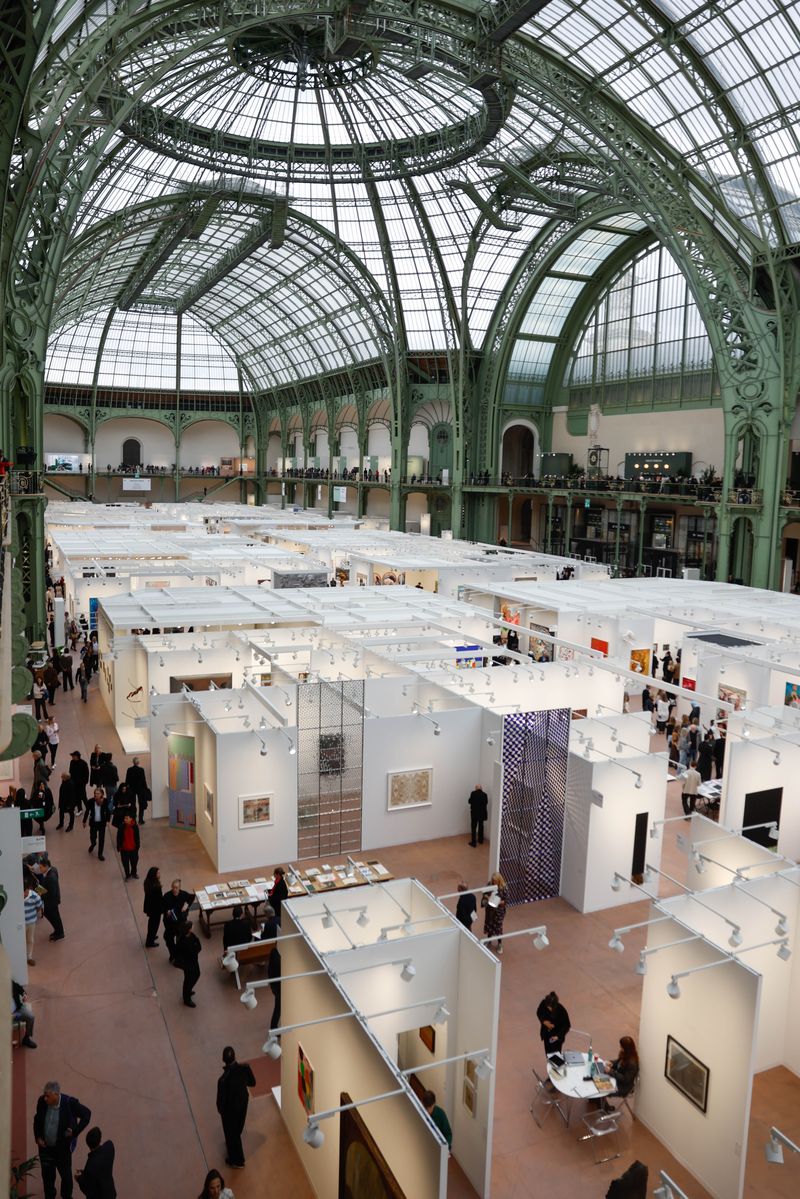
[Financial News] In the wake of large-scale protests sweeping across France, ‘Art Basel Paris’ canceled its weekend public opening and closed two days early, leaving the global art market facing unexpected aftershocks. According to the art industry and major international media on the 7th, what appeared on the surface to be a simple “schedule reduction” caused by the protests laid bare the extreme polarization between large and small-to-midsize galleries within the vast platform of the art fair, as well as the structural vulnerability of “global art capital.”
■ “A Giant Glass Greenhouse”... Mega-Galleries Went Unscathed
The fifth edition of Art Basel Paris, held at the Grand Palais in Paris, closed early at 7 p.m. on Friday the 23rd of last month (local time). Organizers made the decision amid predictions that weekend protesters would head for the Grand Palais. Art industry publication ARTnews described people drinking Bordeaux wine at restaurants near the venue even as tear gas filled subway stations, while Artnet likened the fairgrounds to a “Big Glass Bubble,” completely cut off from the outside world.
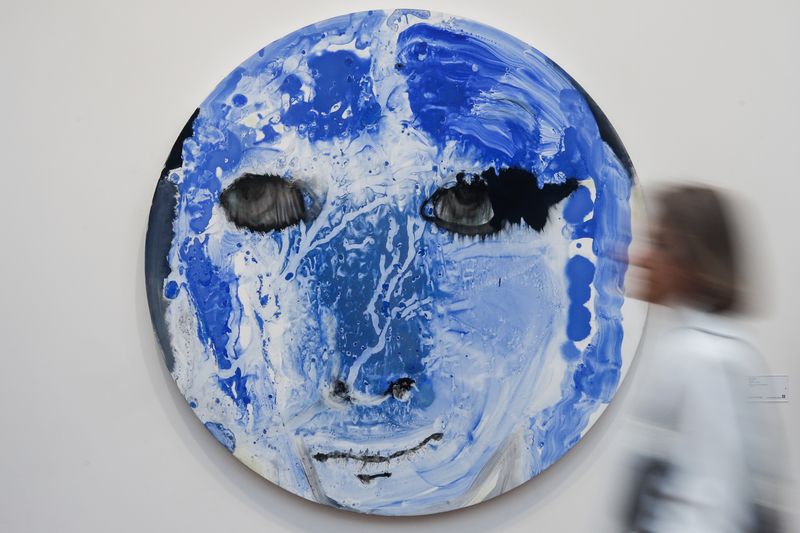
What is striking is that global “mega-galleries” remained strong despite the early closure. Major international outlets focused on the divergent sales results among galleries after the fair closed early. According to The New York Times (NYT) and Artnet, Hauser & Wirth made substantial sales during the VIP preview immediately after opening, including a 1965 work by Gerhard Richter for $10 million (about 13.8 billion won). White Cube also sold two paintings by Julie Mehretu for $7.85 million each (about 10.7 billion won), while Gagosian completed major deals, including the sale of a Willem de Kooning work for more than $10 million.
As David Zwirner’s team told international media, “Eighty percent of our sales happen during the first two days,” major collectors with purchasing power had already completed substantial transactions before the weekend crowds arrived. Philip Hoffman, head of the Fine Art Group, also said flatly, “The weekend closure has no impact on my clients.”
■ Smaller Galleries Take a Direct Hit... “Opportunity Costs” Not Covered by Insurance
By contrast, small and midsize galleries with a limited VIP clientele and a heavy reliance on in-person purchases by general visitors on weekends suffered a devastating blow. ARTnews reported that organizers did not consult participating galleries at all before deciding to close early, and that some galleries are now moving to join forces to seek compensation from the organizers.
Representatives of smaller galleries taking part in the event said the cancellation of weekend trading left them in considerable disarray: not only had sales been affected, but they could not even secure enough staff to remove their works immediately. They also pointed to the limits of compensation as an even bigger problem. Citing Cheryl Karim, an art insurance specialist at insurance broker Gallagher, ARTnews noted, “Some costs, such as booth fees and shipping, may be partly covered by event cancellation insurance. But the ‘opportunity cost’ of works that might have sold to the public over the weekend, and the loss of networking opportunities with new collectors, cannot be compensated by any insurance.” Analysts say that for smaller galleries facing participation fees of tens of millions of won, repeated geopolitical risks of this kind could be a devastating blow that determines whether they stay in business.
A representative of the Miguel Abreu gallery said, “For galleries that count on the weekend public days for at least 20% of their total sales and need to find new collectors, canceling two days of business is not simply a schedule change but a severing of their ‘future lifeline.’ It is also a painful loss that all opportunities to connect with young collectors who work during the week and visit fairs on weekends, or to develop new customers, were cut off altogether.” ARTnews noted that most of the sales reported after Art Basel Paris opened came from VIP previews at large galleries, while the impact on smaller galleries’ sales was not even being properly reflected in the statistics.
■ Stark Class Divisions and Polarization... The Art Fair Model Put to the Test
The incident laid bare the structural vulnerability of the high-end art fair business, which is thriving around the world. International outlets have cited the example of Art Dubai, which deferred billing of participation fees during a geopolitical crisis and shared financial risk with galleries by taking only a portion of sales as commission. They are watching to see how art fair platforms driven by vast capital will compensate smaller galleries left on the margins.
Ultimately, the protests that paralyzed central Paris did more than force Art Basel to close its doors: they exposed the stark class divisions and polarization within the art market. VIP previews, driven by the capital of the top 1%, generated tens of billions of won in cash without wavering even amid a disaster, while smaller galleries—the backbone of the ecosystem—were left to shoulder losses without protection. This phenomenon, in which fortunes are divided strictly according to the logic of capital even in times of crisis, poses a weighty challenge for the major art fair industry as it continues to expand globally, including in South Korea.
[email protected] Park Ji-hyun Reporter