Anxiety grows despite HBM ‘sellouts’... Concerns that U.S. data center regulations will come into full force in 2028
- Input
- 2026-11-08 15:17:31
- Updated
- 2026-11-08 15:17:31
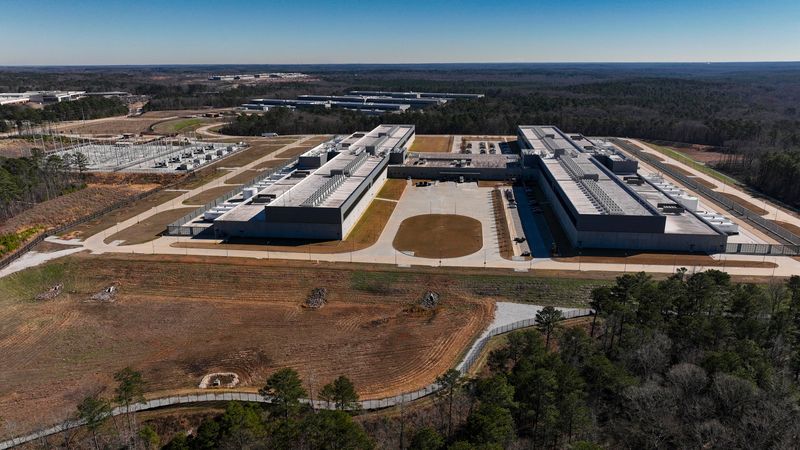
[Financial News] As concerns grow about tighter data center regulations following the U.S. midterm elections, the market is focused on how long the boom in high-bandwidth memory (HBM) at Samsung Electronics and SK hynix will last. The two companies recently emphasized that their medium- to long-term volumes were effectively “sold out.” But if data center construction by customers, including big tech companies, is delayed by the effects of regulation, semiconductor delivery schedules could also be affected. Some analysts say that around half of planned data center expansions in the United States by 2028 could fall within the scope of regulations.
According to industry sources on the 8th, Samsung Electronics said on its third-quarter earnings call that it had completed price negotiations for its 2027 HBM supply volumes, which were already sold out. It also forecast that memory supply and demand would remain tight through 2028. The company said it had signed multiyear supply contracts with 10 major customers and was negotiating with 10 more, stressing that it had secured demand to support its medium- to long-term production plans.
SK hynix also said on an earlier earnings call that, when volumes secured through long-term agreements (LTAs) are combined with demand under detailed discussions with customers, its DRAM and HBM volumes were effectively sold out through 2029. It said it had signed long-term contracts with 14 major customers, with contracted volumes accounting for more than 50% of its total production capacity in 2027–2028.
Long-term contracts provide a basis for reducing demand volatility, but being “sold out” does not necessarily mean that the shipment timing and profitability of all volumes are settled. The impact on earnings varies depending on confirmed purchase volumes, the scope for changes to delivery schedules, and pricing adjustment mechanisms. Even if customers maintain their purchase volumes, delays in taking delivery could affect quarterly revenue.
There is also a time lag before regulations affect actual HBM shipments. Delays in completing data centers do not mean that orders for accelerators and memory already being procured will immediately decline. However, if customers such as big tech companies also delay their server deployments and accelerator purchases, that could put pressure on HBM deliveries.
The market is therefore watching whether secured demand can translate into actual revenue on schedule. Texas governor-elect Gina Hinojosa, a Democrat, has pledged to halt permits for new data centers until laws to protect residents are in place. Power and water use, as well as the burden on residents, have emerged as factors in the expansion of artificial intelligence (AI) infrastructure.
Although the effects may not be immediate, the industry sees 2028 as a turning point when regulations could affect a larger share of data center expansions, warranting caution. If regulations tighten, data center construction could naturally be delayed as well.
An industry official explained, “For projects under construction, whether existing permits and power supply schedules remain in place is important,” adding, “We cannot rule out the possibility that new projects awaiting permits will see their entire schedules—from groundbreaking to server deployment—pushed back.”
The impact may be relatively limited for data centers already under construction or with permits secured, but continued delays to new projects could increase uncertainty around growth prospects two to three years from now. Whether the demand under discussion at SK hynix results in signed contracts, and the outcome of Samsung Electronics’ negotiations for additional supply contracts, are therefore likely to be key factors in the medium- to long-term earnings outlook.
[email protected] Kim Hak-jae Reporter