Future-ready '2030 Classrooms' to be created in schools across the Gwangju region, too
- Input
- 2026-11-06 15:24:05
- Updated
- 2026-11-06 15:24:05
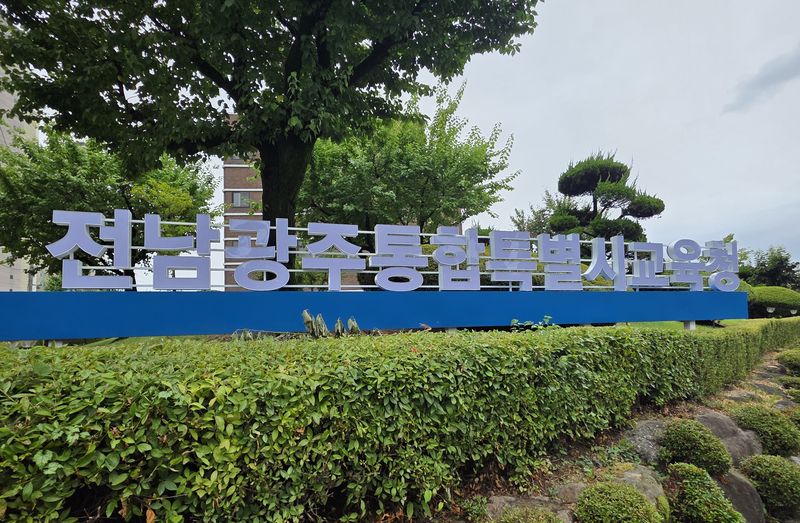
【Financial News, Jeonnam Gwangju = Hwang Tae-jong, reporter】Future-ready '2030 Classrooms' will also be created in schools across the Gwangju region
The '2030 Classroom' is a future-ready classroom that changes both the classroom space and teaching methods so students can learn according to their interests and pace. The former Jeonnam Provincial Office of Education operated it in the Jeonnam region, where it received a favorable response. Its advantages include the flexibility to arrange learning spaces according to the type of lesson and to offer personalized instruction using artificial intelligence (AI).
Jeong Won-mi, head of the Secondary and Special Education Division, stressed that the '2030 Classroom' is not simply about changing educational facilities, but is the starting point for a major transformation in teaching that will bring to life the lessons teachers and students dream of.
According to the Jeonnam Gwangju Metropolitan City Office of Education (Gwangju Metropolitan City Office of Education), it held a briefing on the 2027 school-year secondary 2030 Classroom program in the main auditorium of the Gwangju Education Training Institute on the 6th, unveiling its operating plan for the Gwangju region. At the briefing, it shared examples of how the program is being run with representatives of middle and high schools and explained its direction and application process. Briefings for kindergartens and elementary schools are scheduled to be held later.
The plan is to create 70 '2030 Classrooms' across the Gwangju region: 6 in kindergartens, 26 in elementary schools, 36 in middle and high schools, and 2 in special schools.
The 2030 Classroom program has three types: the 'basic' type, which supports individual student learning; the 'tailored' type, which reflects each teacher's distinctive teaching style; and the 'conversion' type, which turns existing future-ready classrooms into 2030 Classrooms. All 6 kindergarten classrooms will be the basic type. Elementary schools will have 18 basic and 8 tailored classrooms, while middle and high schools and special schools will have 8 basic, 5 tailored and 25 conversion classrooms.
Teachers leading the '2030 classes' in each classroom will share teaching examples with their colleagues through open classes and lesson study groups, and take part in efforts to improve instruction in their schools.
The Jeonnam Gwangju Metropolitan City Office of Education (Gwangju Metropolitan City Office of Education) also plans to add 130 '2030 Classrooms' next year in the Jeonnam region, where 251 are currently in operation: 30 early childhood classrooms, 40 elementary classrooms, 40 secondary classrooms and 20 AI classrooms.
To that end, the office will invite applications for '2030 Classrooms' until late this month. It plans to visit applicant schools and interview teachers in December, then finalize the selections by the end of this year.
Jeong Won-mi, head of the Secondary and Special Education Division, said, "I hope this briefing will provide an opportunity to share vivid examples from the field and help schools across the Gwangju region create 2030 Classrooms with their own distinctive character."
[email protected] Hwang Tae-jong Reporter