“Not a drop of oil is allowed” ... Supreme Court upholds fines for Hyundai Motor Asan Plant
- Input
- 2026-11-06 11:47:44
- Updated
- 2026-11-06 11:47:44
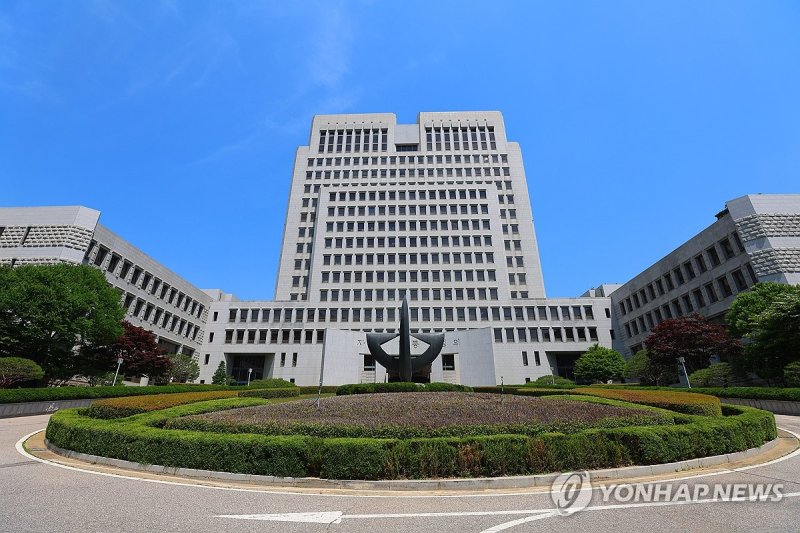
According to legal sources on the 6th, the Supreme Court’s Second Division, with Justice Oh Kyung-mi as the justice in charge of the case, on the 8th of last month upheld a lower court ruling sentencing A, a manager on the Safety and Environment Team at Hyundai Motor Asan Plant, and Hyundai Motor Company to fines of 2 million won and 5 million won, respectively, after they were indicted for violating the Water Environment Conservation Act. A and others were brought to trial on charges that, through occupational negligence in failing to properly maintain the plant’s oil-water separation facility, they discharged oil, including cutting oil, into a stream near the plant on two occasions: January 17 and February 28, 2018.
An oil-water separation facility was installed at the plant in 1996, but it was not maintained through measures such as cleaning or inspection. The facility failed to operate properly because of accumulated pollutants, including sludge, and did not separate out cutting oil and other oils. In the first discharge, some of the oil flowed into the stream via the collection basin at the plant’s south gate. In the second, it overflowed the discharge weir at the south-gate collection basin along with rainwater.
The first trial court sentenced A to a fine of 2 million won and Hyundai Motor Company to a fine of 5 million won. It found that the incident appeared to have occurred because A was merely the employee in charge and the company had no standards for maintaining and managing the oil-water separation facility. The second trial court dismissed all the defendants’ appeals.
There were two issues: whether there was a quantitative threshold for oil discharges prohibited under Article 15(1)(1) of the Water Environment Conservation Act, and whether the forensic chemical analysis report that formed the basis for the guilty verdict could be used as evidence.
The lower court found that Subparagraph 1 should be interpreted differently from Subparagraph 4 of the same provision, which prohibits discharges of soil and sand only when they meet or exceed “the standards prescribed by Ordinance of the Ministry of Environment.” It held that, for specific hazardous water-quality substances, designated wastes, oil, toxic substances and pesticides, “in view of their risks, all discharges—not just those exceeding a certain threshold—must be considered prohibited.” It also said there was no reasonable basis to exclude nonpoint pollution sources from regulation simply because they flow from broad areas through rainwater and other means.
The Supreme Court found no misinterpretation of the law in the lower court’s reasoning and dismissed the appeal. It also accepted the lower court’s finding that the forensic chemical analysis report was admissible and that its contents were reliable. The lower court had not erred in interpreting Article 18-3(1) of the Act on Testing and Inspection in the Environmental Field or in its understanding of the legal status of the former Standard Methods for Water Pollution Testing.
[email protected] Kim Dong-gyu, Reporter
[email protected] Kim Dong-gyu Reporter