First poultry farm in South Korea tests positive for avian flu this winter; Jeju tightens biosecurity at 64 poultry farms
- Input
- 2026-11-06 11:09:04
- Updated
- 2026-11-06 11:09:04
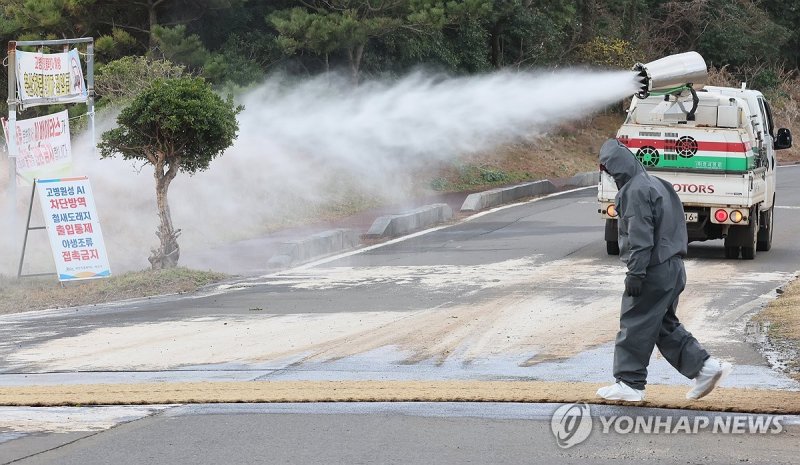
【Financial News | Jeju — Reporter Jeong Yong-bok】 After highly pathogenic avian influenza (AI) was confirmed for the first time this winter at a poultry farm in South Korea, Jeju Province stepped up biosecurity measures at 64 commercial-scale poultry farms. It moved to prevent the virus from entering farms by restricting access to three migratory bird sites and operating 10 hub disinfection facilities.
According to the Jeju Special Self-Governing Province on the 6th, highly pathogenic H5N9 avian influenza was confirmed on the 4th at a layer farm in Yeoncheon County, Gyeonggi Province. The farm raises more than 91,000 chickens, making this the first case at a domestic poultry farm in the 2026–2027 winter season.
Earlier, on October 20, the first case of highly pathogenic AI this winter was detected in wild birds at Suncheon Bay in South Jeolla Province. The government raised the nationwide crisis alert from “Caution” to “Serious” at the time, and designated the 4th through the 17th of this month as a nationwide intensive disinfection period following the first farm case.
Jeju lies along migratory bird routes and has repeatedly recorded highly pathogenic AI in wild birds. According to Jeju Province, there were two detections in wild birds on the island in the 2023–2024 winter season, seven in 2024–2025 and four in 2025–2026.
The detection of a virus in wild birds does not mean there has also been an outbreak at a poultry farm. However, the virus can enter farms via migratory bird droppings or contaminated vehicles and people, making preventive measures important.
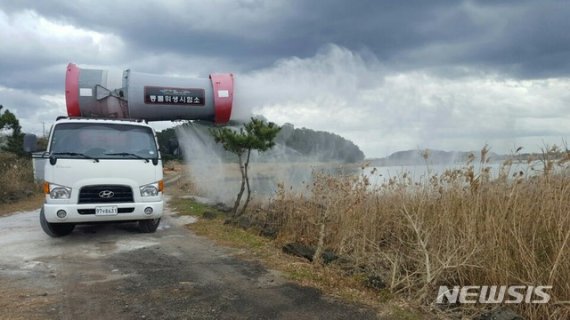
Since the 20th of last month, Jeju Province has operated a disease-control headquarters, chaired by the provincial governor, and a situation room, maintaining a 24-hour emergency response system.
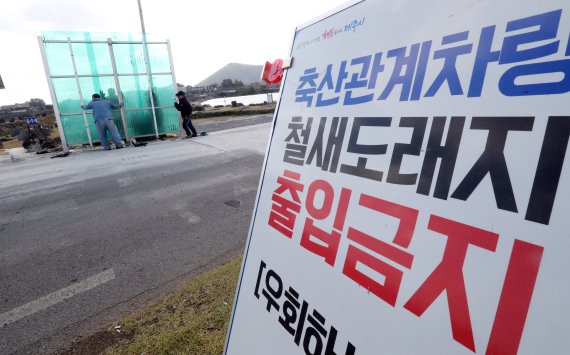
Mandatory disinfection of livestock vehicles and the issuance of disinfection certificates are currently being carried out at 10 hub disinfection facilities. Forty dedicated biosecurity officers have been assigned to manage conditions at 64 commercial-scale poultry farms, while access-control zones and checkpoints are operating at three migratory bird sites.
Poultry and related products brought in from other regions must be reported in advance, and poultry and other items from areas with highly pathogenic AI outbreaks are prohibited from being brought in.
Testing at the farm level has also been stepped up. For laying hens, breeding chickens and native chickens, the interval for detailed testing has been shortened from once a month to once every two weeks. For broilers, testing has been adjusted from once per quarter to once during the rearing period, and all farms must test birds before shipment.
Three field inspection teams regularly check 33 farms that are vulnerable in terms of biosecurity. Large-scale layer farms raising 100,000 or more birds are subject to continuous monitoring by dedicated officers and special oversight of their biosecurity practices.
Biosecurity at layer farms is directly linked to egg supply. According to the Ministry of Agriculture, Food and Rural Affairs, 31 of the 62 highly pathogenic AI cases at poultry farms nationwide during the 2025–2026 winter season were confirmed at layer farms. Seventeen of those cases were at large farms raising 100,000 or more birds.
If highly pathogenic AI breaks out at a farm, production can be disrupted by measures such as culling and movement restrictions to prevent the spread of animal disease. Preventing the virus from entering farms in the first place is also a key task for Jeju in reducing harm to the local livestock industry.
Since October 1, Jeju Province has enforced 10 administrative orders targeting livestock vehicles and people working in the poultry sector, and announced nine biosecurity requirements for poultry farms. After the crisis alert was raised, it also added an order banning the free-range rearing of poultry.
Farmers were asked to change their boots and wear protective clothing before entering poultry houses, maintain nets to keep out wild birds, control vehicles and people entering the farms, and disinfect areas inside and outside the farms every day.
Kim Young-jun, head of Jeju Province’s Livestock and Food Bureau, said, “With highly pathogenic AI now detected not only in wild birds but also at a layer farm in Yeoncheon, Gyeonggi Province, this is a serious situation in which the virus could enter a farm at any time,” and urged farmers, producer groups and administrative authorities to implement thorough preventive biosecurity measures.
[email protected] Jeong Yong-bok Reporter