KGA Lands a New Order Worth 15% of Revenue: “Beyond Secondary Batteries, Into Logistics Automation”
- Input
- 2026-11-06 10:49:39
- Updated
- 2026-11-06 10:49:39
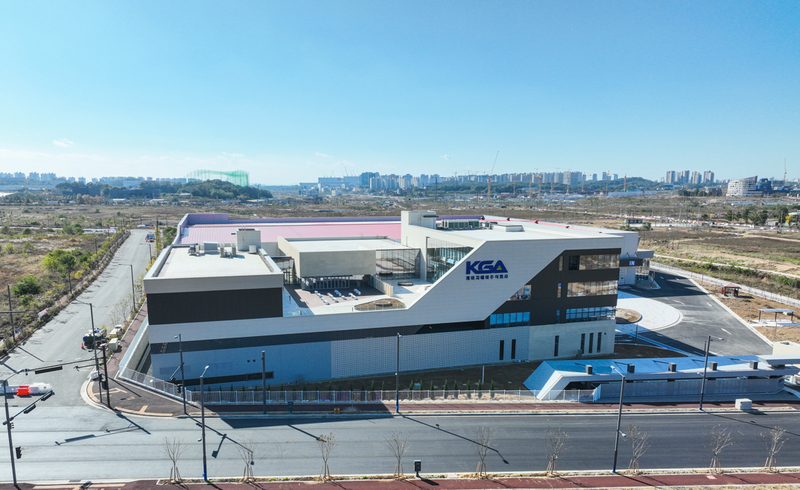
[Financial News] KGA has secured a contract to supply logistics automation equipment worth more than 15% of its revenue last year. With equipment for secondary battery electrode processes as its main business, the company is also expanding its order base in the automation equipment sector.
According to an electronic filing with the Financial Supervisory Service on the 6th, KGA signed a 2.8 billion won contract with a domestic client to supply logistics automation equipment. The amount is equivalent to 15.45% of its consolidated revenue of 18.1 billion won last year. The contract runs from the 5th through July 31 next year.
What stands out about this contract is its payment structure. KGA will receive 20% as a contract payment, followed by 30%, 20% and 20% at the stages of drawing approval, arrival of outsourced components and equipment delivery, respectively. The remaining 10% is payable after final inspection.
If the contract proceeds as agreed, 90% of the total contract value, or 2.52 billion won, will be collected before final inspection. This is significant because it can spread out the working-capital burden incurred during equipment production and delivery.
KGA currently operates businesses in coaters, presses and slitters for secondary battery electrode processes, as well as duct automation equipment. The contract is drawing attention because it will turn the company’s existing equipment-manufacturing capabilities into revenue in the logistics automation sector.
However, the client has not been disclosed, at its request to protect business secrets. The company is deferring related disclosures until the end of July next year, and the delivery schedule and contract terms may change.
Industry observers say the key question is whether the new order will translate into actual revenue and improved cash flow. In particular, given the nature of equipment supply contracts, the timing of revenue recognition may vary depending on production and delivery schedules and the progress of inspections.
[email protected] Kim Gyeong-a Reporter