7 metric tons of solar salt from Sorae Salt Field delivered to Incheon's 10 districts and counties for kimchi-sharing drives benefiting vulnerable groups
- Input
- 2026-11-08 06:00:00
- Updated
- 2026-11-08 06:00:00
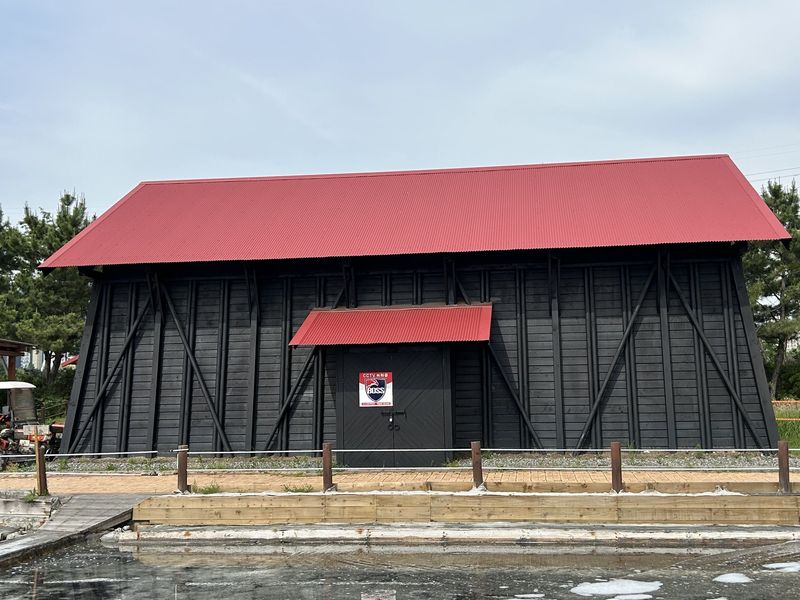
【Financial News, Incheon = Han Gab-soo, reporter】 The 7 metric tons of solar salt produced using traditional methods at Incheon's Sorae Salt Field will be used to support people in need in the local community.
The Incheon Grand Park Management Office said on the 8th that it had provided 7 metric tons of solar salt it produced at Sorae Salt Field Ecological Park from the 2nd to the 6th to 10 districts and counties in the Incheon area.
The support was arranged to carry on the region's history and traditions and share their fruits with the local community. Each district and county plans to use the salt it received at year-end kimchi-making and sharing events, among other occasions, and deliver kimchi to vulnerable groups and other neighbors in need.
At Sorae Salt Field Ecological Park, solar salt is produced using traditional methods: seawater is brought into salt pans covering about 35,000 square meters, where moisture evaporates through the natural action of wind and sunlight.
The site was once home to Sorae Salt Field, established in the 1930s during Japanese colonial rule. The field produced salt until the 1970s and was the country's largest solar-salt production site. After salt production ceased, the site was developed into a park. In June 2026, three former salt-storage buildings were recognized for their historical value and registered as Incheon Metropolitan City Registered Cultural Heritage.
Today, the park has ecological value as a habitat for diverse wildlife, including the Black-faced Spoonbill, and as a community of salt-tolerant plants. It is also used as an ecological learning space where people can experience the traditional solar-salt production process.
In effect, the salt field that once supported the local economy is now being transformed into a place for history and ecology education and sharing with neighbors.
Im Sang-gyun, head of the Incheon Grand Park Management Office, said, "We will continue to preserve the history and traditions of Sorae Salt Field and pursue sharing activities in partnership with the local community."
[email protected] Han Gab-soo Reporter