Jeju’s ‘Ieum Jobs’ reach 246, expanding into marine cleanup and AI tourism information
- Input
- 2026-11-06 09:42:15
- Updated
- 2026-11-06 09:42:15
【Financial News, Jeju = Jeong Yong-bok】 A total of 246 community-linked jobs involving middle-aged people, young people, people with disabilities and others were created in Jeju this year. Participants worked in environmental conservation and tourism services, collecting 8.76 tonnes of marine waste and surveying mobility-access facilities at 65 tourist sites.
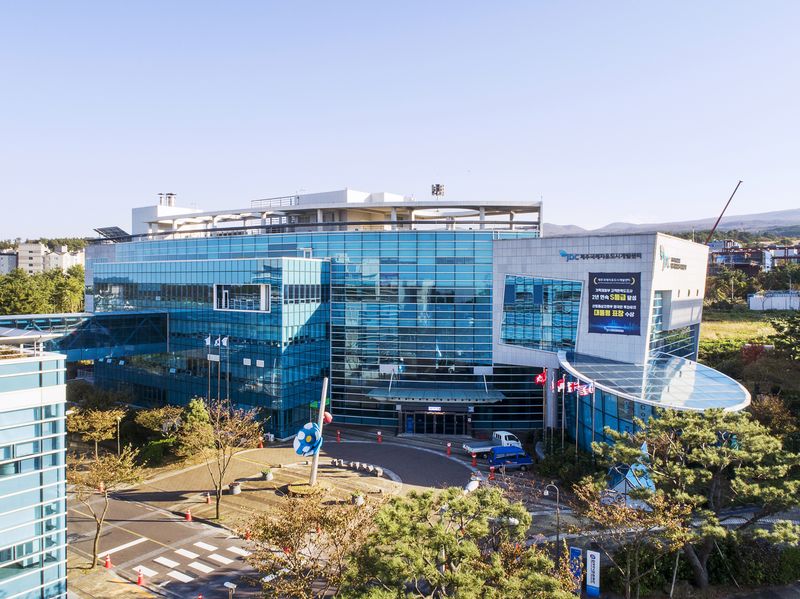
According to the Jeju Free International City Development Center (JDC) on the 6th, this year’s Ieum Jobs project was run through nine project teams by three implementing organizations, including the Jeju Senior Club, Seogwipo Senior Club and Jeju Neoyeong Nayeong Senior Club.
Launched in 2018, Ieum Jobs connects the experience and expertise of middle-aged people with work needed by local communities. A total of 2,655 jobs have been created through 11 rounds of the project up to this year.
This year, the Jeju branch of the Korea Employment Agency for Persons with Disabilities supported the participation of people with disabilities, broadening the participant base beyond its traditional focus on seniors. The project also expanded into information services using artificial intelligence (AI), in addition to environmental conservation, resource circulation and tourism.
In the environmental sector, participants collected 8,760 kg of marine waste along the coast. In Gotjawal forests and on oreums, they collected 2,890.5 liters of household waste and removed 2,071 liters of harmful plants.
They also washed 209,963 reusable containers used for events and deliveries. Applying conversion factors from the national Life Cycle Inventory Database (LCI DB), JDC estimated that this work reduced carbon emissions by about 10 tonnes.
In the tourism sector, participants surveyed mobility-access facilities at 65 tourist sites and built an AI-powered website with barrier-free tourism information. The project aims to provide accessibility information for tourists with mobility constraints, including people with disabilities and older adults. They also created multilingual QR content on the ecology of oreums and Gotjawal forests and on Jeju’s traditional culture. The work shows how local participants’ experience was turned into digital tourism information.
In local guiding, participants at the ‘Seongsanpo Sumgyeol Traveler Center’ guided visitors at Seongsan 4·3 historic sites and along the Ojo Geotrail. The center’s monthly visitor count rose about 4.4-fold, from 54 in July to 239 in September.
A performance analysis by the Jeju Research Institute’s Public Investment Management Center found that all nine project teams were recognized for their policy and social need and public value. Jobs reflecting local community needs—including making galot, producing Braille books and providing barrier-free tourism information—were assessed as key achievements.
Some pilot job roles have also led to regular senior employment programs. The ‘Sharing and Learning Support Team,’ newly launched under Ieum Jobs last year, was included this year in the Ministry of Health and Welfare’s senior employment program focused on utilizing older adults’ capabilities. In recognition of these achievements, JDC received the Minister of Health and Welfare Award for the second consecutive year at the Senior Employment Week ceremony last September.
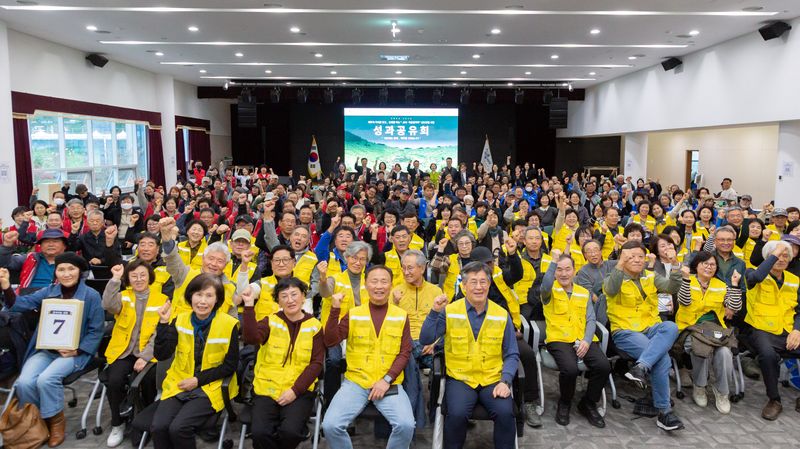
JDC held a results-sharing session on the 5th in its main conference room, attended by about 280 people, including representatives of the Korea Senior Workforce Development Institute, the Korea Labor Foundation, the Jeju branch of the Korea Employment Agency for Persons with Disabilities, and project participants.
JDC Chairman Song Seok-eon said, “Together with our partner organizations, we will identify new job roles suited to Jeju’s current needs and develop them into a sustainable employment model.”
[email protected] Jeong Yong-bok Reporter