Chest Tightness, Cold Sweats Pouring... ‘Steel Troops’ Star Hwang Chung-won Mistook It for ‘Simple Fatigue’ and Ended Up in ICU [Health Talk]
- Input
- 2026-11-06 07:03:30
- Updated
- 2026-11-06 07:03:30
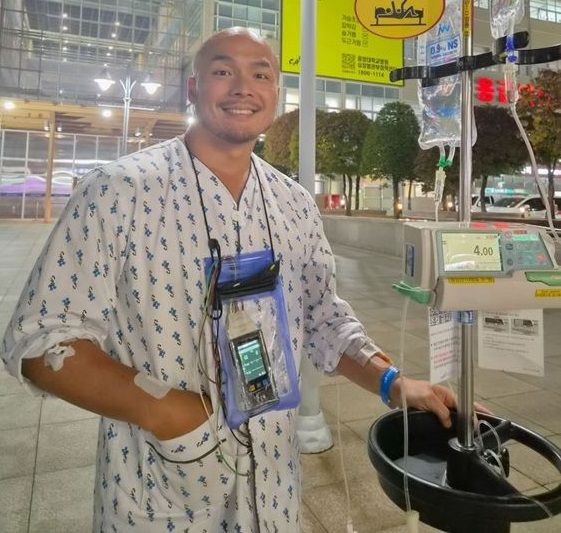
[Financial News] Hwang Chung-won, 36, a CrossFit athlete and former member of the Navy’s Salvage and Rescue Unit (SSU), who showcased his formidable physique and stamina on Channel A’s variety show ‘Steel Troops’ and Netflix’s ‘Physical: 100,’ has been hospitalized in the intensive care unit with acute myocardial infarction.
On the 4th, Hwang shared on social media what happened when he fell ill, saying, “There is a large amount of hard clot blocking my coronary artery, so they couldn’t remove it completely in the first procedure. I’m waiting for a second procedure.”
According to his account, he first felt that he “couldn’t breathe easily and felt tight” during the first match at 12:30 p.m. on the day of the competition. His shortness of breath and chest tightness became severe from the second match at 4 p.m. After returning home, he was taken by 119 ambulance to the emergency room and then the intensive care unit at around 10 p.m., where he was diagnosed with acute myocardial infarction. Hwang stressed, “If you feel even a little unwell, don’t tough it out—go to the hospital no matter what.”
Shortness of breath and tightness: Mistaking them for a simple dip in condition can cost you the ‘golden hour’
Acute myocardial infarction occurs when the coronary arteries—the three blood vessels that supply oxygen and nutrients to the heart muscle—are suddenly blocked by a blood clot or other obstruction, causing the heart muscle to die. It is a leading life-threatening medical emergency that can cause death soon after onset, with a mortality rate before reaching the hospital as high as 30%.
The typical symptom of a heart attack is severe, squeezing chest pain. But, as in Hwang’s case, it often begins with shortness of breath or pressure, such as feeling that “it’s hard to breathe” or that “my chest feels tight.” People who exercise a lot or have a high pain threshold are especially likely to mistake early warning signs for “simple fatigue” or “a failure to control their breathing” and miss the critical treatment window—the “golden hour” (within the first two hours after symptoms begin).
Athletes aren’t immune... Beware of the risks of excessive high-intensity exercise and blood clots
Cardiovascular disease is often thought to occur more frequently among older people and those with chronic conditions such as high blood pressure, diabetes and high cholesterol. But a combination of excessive high-intensity exercise, extreme physical stress, dehydration, family history and a tendency to form blood clots can cause plaque inside the blood vessels to rupture and trigger an acute clot, even in healthy adults in their 30s.
In 2021, Danish soccer player Christian Eriksen collapsed after suffering cardiac arrest during a match. In South Korea, professional soccer player Shin Young-rok and baseball player the late Lim Soo-hyuk are among the strong, fit athletes who have also collapsed during competition because of heart problems.
When symptoms suggestive of acute myocardial infarction appear, the key rule that can mean the difference between life and death is to call 119 without delay.
The most typical warning sign is squeezing or pressing chest pain that lasts for 30 minutes or longer. The pain may spread beyond the chest as radiating pain extending to the jaw or neck, the left shoulder, or the inner arm. If you become short of breath for no apparent reason, break out in a profuse cold sweat, experience severe dizziness and nausea, or suddenly feel short of breath and tightness in your chest during exercise, you should strongly suspect a heart attack.
If symptoms raise suspicion, call 119 immediately... Never drive yourself
If you notice these warning signs, immediately stop whatever you are doing and rest in the most comfortable position. Never try to endure the symptoms or wait and see, telling yourself, “I’ll feel better after a short rest.” Call 119 right away and request transport to a hospital specializing in cardiovascular and cerebrovascular disease that can perform emergency coronary interventions such as stent placement. Because there is a significant risk of sudden cardiac arrest during transit, do not drive yourself or travel by family car or public transportation.
With a heart attack, heart muscle cells begin dying every moment as soon as a blood vessel is blocked. Prompt reperfusion treatment determines not only the patient’s chances of survival but also whether heart function can be preserved in the future. That is why even people who are confident in their physical fitness should never dismiss the small warning signs their bodies send.
[email protected] Moon Young-jin Reporter