[International Oil Prices] Surge a Day After Plunging: “The War Isn’t Over Yet”
- Input
- 2026-11-06 06:33:11
- Updated
- 2026-11-06 06:33:11
International oil prices ended a two-day plunge and returned to sharp gains on the 5th (local time).
Oil, which had plunged more than 8% the previous day on expectations that the war with Iran—which had been driving prices higher—would end early after Democrats’ landslide victory in the U.S. midterm elections, rose sharply today.
January-delivery Brent crude, the benchmark grade for international oil prices, settled up 3.8% from the previous session at $98.29 a barrel.
December West Texas Intermediate crude oil (WTI), the benchmark grade for U.S. oil prices, also rose 2.7% to $90.52 a barrel.
Oil prices, which had plunged on hopes that Democrats could curb President Donald Trump’s appetite for war if they took control of the U.S. Congress, rose again as realization spread rapidly that the situation was not so straightforward.
Reuters reported that Giovanni Staunovo, a commodities analyst at UBS, said, “The unresolved situation in the Middle East pushed oil prices higher today.”
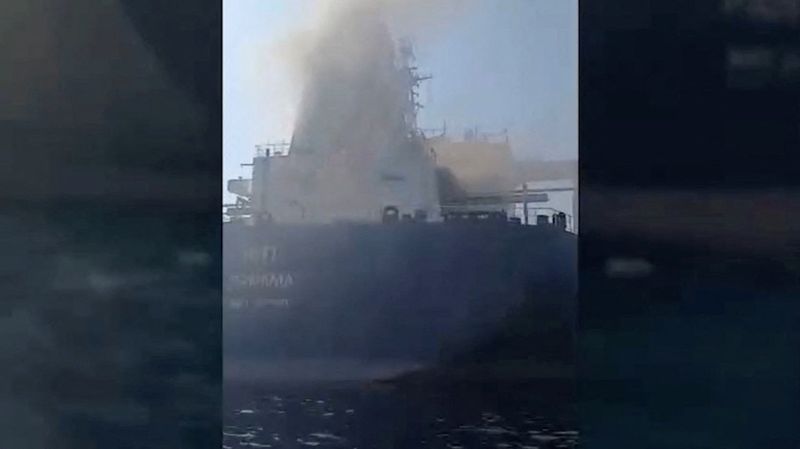
Andy Lipow, president of Lipow Oil Associates, cited the continued record number of tanker attacks in the Strait of Hormuz as the reason.
According to the United Kingdom Maritime Trade Operations (UKMTO), a maritime security organization under the British Navy, at least five tankers have been struck in Gulf waters since the 1st alone. That is a pace comparable to the 35 tankers struck last month, the highest monthly total since the war with Iran began.
Investors are also concerned that Iran’s stance has changed little even after Democrats won the midterm elections. They believe there is a possibility that negotiations to end the war will fail to gain momentum, contrary to expectations.
In particular, Democrats will not be able to begin properly checking President Trump until after the new Congress is seated next January. That leaves lingering fears that the president may “do something else” with the backing of a Congress still controlled by Republicans.
Citigroup warned in an analytical note that, despite the midterm rout, the White House could act unilaterally on foreign policy through executive orders and could also expand the war with Iran.
Political consulting firm Eurasia Group lowered its estimate of the likelihood that the United States would resume airstrikes on Iran from 65% to 60%. It also cut the likelihood of an agreement from 20% to 10%, as Iran continues to make demands that Trump is unlikely to accept.
Eurasia Group raised its estimate of the likelihood that the current, drawn-out standoff will persist from 15% to 30%. It also forecast that Brent crude could surge again to $110–$125 a barrel if tensions rise even slightly.
[email protected] Song Kyung-jae Reporter