OpenAI: “More jobs without secret agreements” ... seeking to win over local residents on data centers
- Input
- 2026-11-06 05:27:55
- Updated
- 2026-11-06 05:27:55
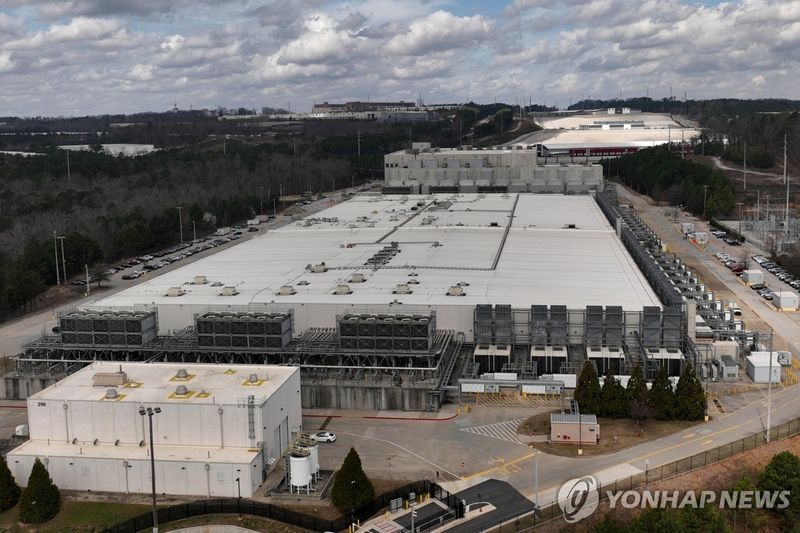
On the 5th (local time), OpenAI announced a new policy aimed at building trust with local communities and persuading residents that data centers provide economic benefits. The policy, which it has been preparing since August, includes measures to increase transparency in the data center construction process.
OpenAI said it would no longer sign nondisclosure agreements (NDAs) with public officials during the data center site-selection process. It also plans to disclose construction plans to residents and inform them about effects on their living environment, including increased traffic, noise and lighting.
In particular, it emphasized that data centers provide a steady stream of jobs for local economies. Chris Lehane, OpenAI’s chief global affairs officer, explained, “Because the hardware inside data centers has to be replaced every three to five years, they generate ongoing employment.” OpenAI expects its facility in southern Ohio to create 2,500 long-term jobs with an average annual salary of $80,000.
Democratic candidates opposed to data center construction made significant gains in the midterm elections. In Texas, Georgia and Ohio, Democratic candidates who pledged to halt permits for new data centers and tighten construction regulations were elected governors. According to election information website Ballotpedia, 40 of the 41 data center-related local ballot measures produced outcomes unfavorable to data centers.
The Democrats’ sweeping victory raised the prospect of stricter permitting, higher construction costs and construction delays, sending shares of data center operators and electric utilities sharply lower.
OpenAI President Greg Brockman stressed, “We need to do a better job of communicating with residents about why data centers benefit local communities.”
[email protected] Correspondent Lee Byung-cheol Reporter