Hopes for a U.S. clean-energy policy turnaround... Attention turns to ESS, hydrogen and solar
- Input
- 2026-11-09 08:50:14
- Updated
- 2026-11-09 08:50:14
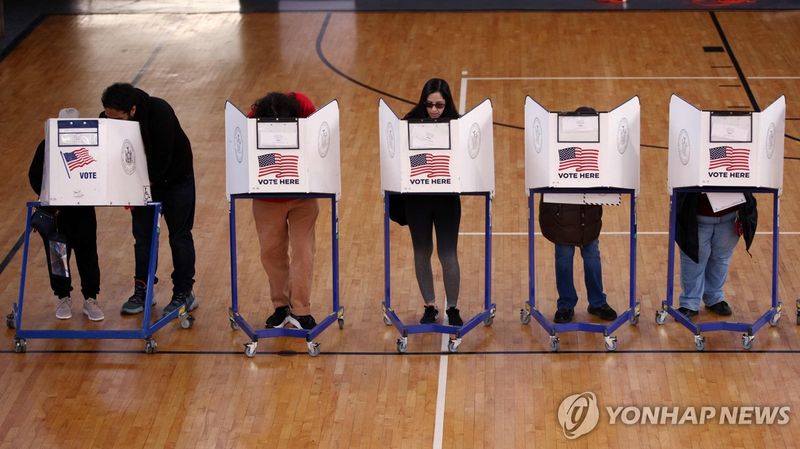
[Financial News] With Democrats taking control of both the House and Senate in the U.S. midterm elections, attention is turning to the North American operations of South Korean companies involved in renewable energy. As the possibility of a check on the Trump administration’s fossil-fuel-centered energy policy is raised, the investment environment for clean-energy industries such as energy storage systems (ESS), hydrogen and solar power is also expected to change.
According to the financial investment industry on the 9th, the possibility of changes to clean-energy policy has come into focus following the U.S. Democrats’ midterm victory. However, some analysts say companies with an established U.S. business presence and genuine competitiveness in winning orders need to be distinguished, since a change in congressional power does not automatically lead to the restoration of subsidies or an expansion of new investment.
One company drawing attention is Enchem, a maker of electrolyte for rechargeable batteries. Enchem has been building an electrolyte supply chain in North America, and expansion of the U.S. ESS market could become a medium- to long-term growth opportunity for the company. In particular, as battery demand diversifies from its traditional focus on electric vehicles to ESS, local production and supply capabilities could serve as a competitive advantage. However, whether the company secures new ESS-related orders and expands sales remains to be confirmed separately.
Doosan Fuel Cell Co., Ltd., a hydrogen fuel-cell company, is also attracting attention amid the potential policy shift. The view is that greater discussion of investment in clean energy and distributed power generation in the U.S. could have a positive impact on the fuel-cell industry as a whole. An industry official said, “Any direct benefit to Doosan Fuel Cell Co., Ltd.’s U.S. business will depend on whether it secures specific projects going forward.”
G&BES Eco, a maker of equipment related to solar manufacturing processes, is also being mentioned. A recovery in capital investment in the U.S. solar industry could increase demand for related process equipment. Whether the company benefits in practice is seen as hinging on U.S. customers’ investment spending and the securing of supply contracts.
mPlus Corp., a maker of rechargeable-battery manufacturing equipment, is also linked to investment in the North American battery supply chain. Increased investment in battery production facilities in the U.S. could lead to more equipment orders, but the timing of any impact on results is expected to vary depending on customers’ investment schedules and plans for operating the facilities.
Those in the investment banking industry viewed the election result as an opportunity to reassess policy uncertainty across the clean-energy sector. However, given President Trump’s veto power and existing energy policies, the likelihood of a sweeping change in the industry environment in the short term is limited.
An industry official said, “Ultimately, the benefits to South Korean companies are expected to vary according to their U.S. production base, customers’ investment plans, new orders and the speed at which those orders translate into sales, rather than policy expectations.”
[email protected] Kim Kyung-a Reporter