Construction of Naju’s 1.48-trillion-won Artificial Sun Research Facility Picks Up Pace
- Input
- 2026-11-05 18:00:00
- Updated
- 2026-11-05 18:00:00
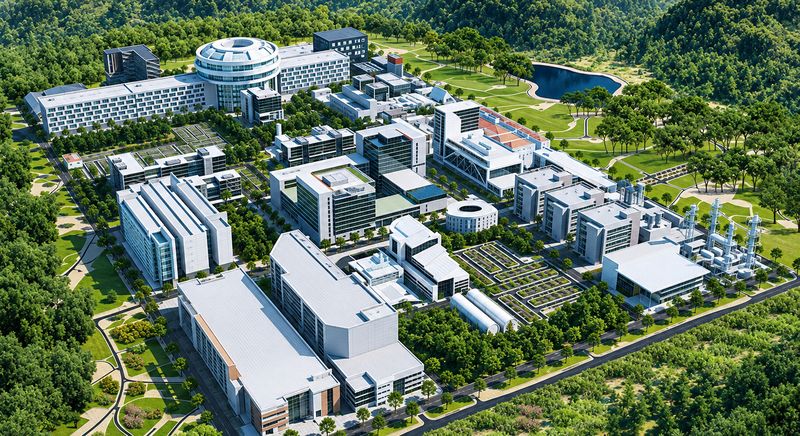
【Financial News, Jeonnam-Gwangju—Reporter Hwang Tae-jong】The Jeonnam-Gwangju Integrated Special City (Gwangju Special City) is set to become a key hub for the future energy industry, built around a 1.48-trillion-won artificial sun (fusion energy) research facility to be located in Wangok-myeon, Naju. Fusion energy technology harnesses the principles by which the sun generates energy and is drawing attention as a next-generation energy source in the era of carbon neutrality.
Gwangju Special City said on the 5th that the artificial sun (fusion energy) research facility project had passed the final national preliminary feasibility study that day, securing national-level validation of its feasibility and gaining momentum.
Bae Yong-seok, head of Gwangju Special City’s Energy Industry Bureau, stressed, “The passage of the preliminary feasibility study marks an important turning point as the artificial sun research facility moves toward becoming a hub for national fusion energy technology development.”
The project involves developing the designs and core technologies needed to build a 100-MW-class Korean-style innovative fusion demonstration reactor. The research facility, scheduled for completion by 2026, will secure technologies needed to build the demonstration reactor and strengthen the country’s fusion research and development capabilities.
In particular, at least 2,000 research personnel are expected to be based at the facility once it is built, while 2,000–3,000 researchers from Korea and abroad are expected to visit Naju each year. The facility is also expected to help strengthen the region’s energy industry base.
In addition, linking regional energy infrastructure, including Korea Electric Power Corporation (KEPCO) and the Korea Institute of Energy Technology (KENTECH), is expected to expand cooperation between research and development and industry, and help create an industrial ecosystem that attracts related companies, trains skilled workers and generates quality jobs. Bae Yong-seok, head of the Energy Industry Bureau, said, “As follow-up steps after the preliminary feasibility study’s approval, we will proceed with land compensation and site preparation to make the land needed for the facility available on schedule by 2028. We will work closely with the relevant agencies to ensure the project proceeds without a hitch.”
[email protected] Hwang Tae-jong Reporter