Korean Cathode Material Makers Post Mixed Q3 Results...LFP Orders vs. Vertical Integration as Paths to Recovery
- Input
- 2026-11-05 17:13:46
- Updated
- 2026-11-05 17:13:46
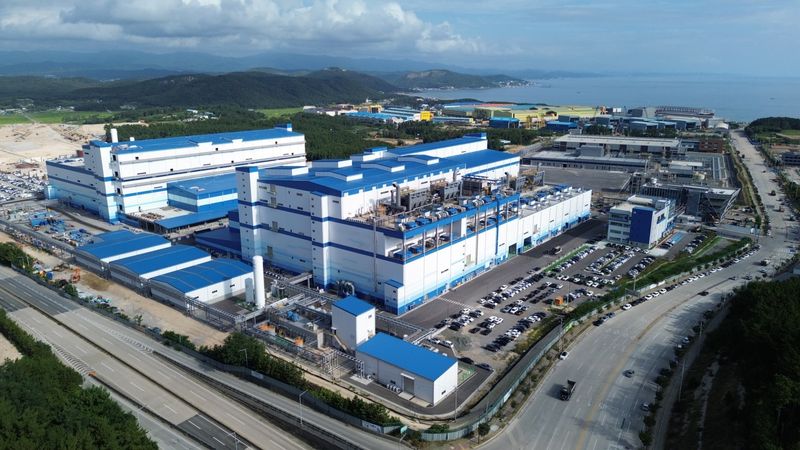
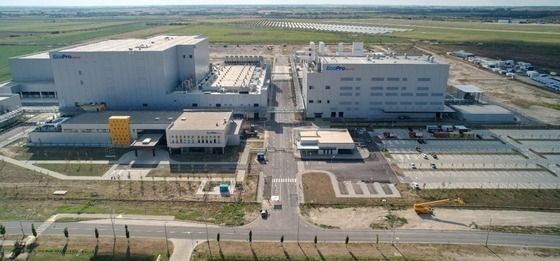
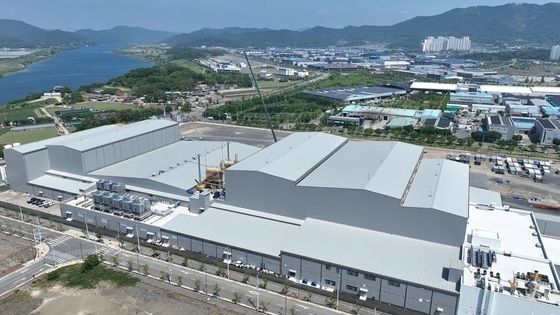
Their strategies for a rebound also differed. POSCO Future M and L&F are accelerating mass production of lithium iron phosphate (LFP) cathode materials and efforts to secure more orders. ECOPRO BM is focusing on improving cost competitiveness by starting operations at its Hungarian plant and investing in a nickel smelter in Indonesia.
■POSCO Future M’s Profit Surges; L&F Swings to a Loss
According to industry sources on the 5th, POSCO Future M reported third-quarter revenue of KRW 834.8 billion and operating profit of KRW 82.1 billion. Revenue rose 22.9% and operating profit 207.8% from the previous quarter.ECOPRO BM reported revenue of KRW 557.9 billion and operating profit of KRW 12 billion. The figures fell 3.3% and 33.3%, respectively, from the previous quarter, while operating profit was down 76% from a year earlier. However, the company remained profitable for the seventh consecutive quarter since the first quarter of last year.
L&F reported revenue of KRW 874.4 billion and an operating loss of KRW 26.5 billion. Revenue rose 34.0% year over year but fell 1.2% from the previous quarter, while operating profit, which stood at KRW 20.8 billion in the second quarter, turned into a loss. The net loss was KRW 32.7 billion.
The improvement in POSCO Future M’s results was led by its battery materials business. The battery materials segment reported revenue of KRW 459.6 billion and operating profit of KRW 51.8 billion, up 40.2% and 1,972%, respectively, from the previous quarter. Cathode materials results improved on a recovery in sales volumes to existing customers, higher selling prices and customer compensation payments. An inventory valuation loss was reflected in anode materials, but sales volumes to overseas customers increased. The basic materials business posted revenue of KRW 375.2 billion and operating profit of KRW 30.3 billion, up 6.7% and 25.2%, respectively, from the previous quarter. Higher selling prices for chemical products linked to oil prices and increased lime (quicklime) sales volumes boosted operating profit.
The effect of raw material prices, which had lifted L&F’s results in the first quarter, worked in the opposite direction this time. L&F said it posted a loss due to external factors, including a sharp fall in the won-dollar exchange rate and prices of key raw materials. The company said that, excluding those external factors, profitability in its nickel-cobalt-manganese (NCM) business remained solid. Revenue continued to hold up, buoyed by sole-source supply of ultra-high-nickel products and increased sales of products for 46-pi (46-mm-diameter) cylindrical batteries to new North American customers. Cumulative operating profit through the third quarter this year was about KRW 111.6 billion.
ECOPRO BM weathered weakness in electric vehicles (EVs) with demand from non-EV markets. EV sales fell 34% from the previous quarter to KRW 256.1 billion as North American EV demand stagnated and customers drew down inventories amid European automakers’ model changes. By contrast, as investment in AI data centers increased, ESS sales surged 173% to KRW 123.6 billion, while power application sales rose 16% to KRW 169.7 billion. In effect, non-EV sales (KRW 293.3 billion) exceeded EV sales. The temporary suspension of operations at the Hungarian plant and the weaker exchange rate contributed to the decline in operating profit.
■Rebound Strategies...LFP for POSCO Future M and L&F, Vertical Integration for ECOPRO BM
POSCO Future M is counting on LFP to protect its earnings. It has converted some production lines at its Pohang cathode materials plant to LFP lines and plans to convert more as orders grow, bringing annual production capacity to 105,000 tonnes. Shinyoung Securities forecast that POSCO Future M’s LFP capacity would rise from about 20,000 tonnes at the end of this year to 105,000 tonnes at the end of next year. The same brokerage said POSCO Future M secured orders in the second half of this year for a combined annual average of at least 100,000 tonnes of LFP cathode materials for Samsung SDI and SK On. However, Shinyoung Securities forecast that operating profit would fall to KRW 17.4 billion in the fourth quarter as the benefit from compensation payments fades and initial costs for new lines are reflected.L&F is pursuing a two-track strategy to grow its NCM and LFP businesses simultaneously. In NCM, it expects to set a new quarterly record for high-nickel product shipments in the fourth quarter. As a result, annual NCM shipments this year are expected to reach a record high, up about 40% from a year earlier. Next year, 46-pi products are expected to account for about 40% of NCM shipments.
In its LFP business, L&F signed mid- to long-term supply contracts this year with four customers—the three domestic battery makers and one overseas customer—for about 100 GWh based on ESS batteries. On this basis, L&F expects LFP shipments to rise to about 50,000 tonnes in 2027 and at least 60,000 tonnes in 2028.
L&F Chief Financial Officer (CFO) Ryu Seung-heon said, "In 2027, as supply from existing and new 46-pi projects expands and volumes of LFP for the North American ESS market increase in earnest, the growth of both our NCM and LFP businesses will translate into substantial revenue growth and improved profitability, making it a year of a new leap forward."
ECOPRO BM is focused on strengthening cost competitiveness, with ternary materials at the center of its strategy. Two production lines at its Debrecen plant in Hungary will enter full-scale mass production in the fourth quarter, helping the company meet stricter European standards for battery materials produced within the region from 2027 onward. The company plans to complete its investment in a stake in BNSI, a nickel smelter in Indonesia, in stages during the fourth quarter, conduct commissioning at year-end and bring the facility online in stages starting in the first half of 2027.
ECOPRO BM CEO Song Ho-jun said, "We will successfully complete local mass production in Hungary and our investment in the Indonesian smelter to further solidify our position as a key global supplier of cathode materials."
[email protected] Kim Dong-chan Reporter