LH to Break Ground on 40,000 Purchased-Rental Homes in Seoul Metro Area; Young People Call for More Move-In Opportunities
- Input
- 2026-11-05 16:42:57
- Updated
- 2026-11-05 16:42:57
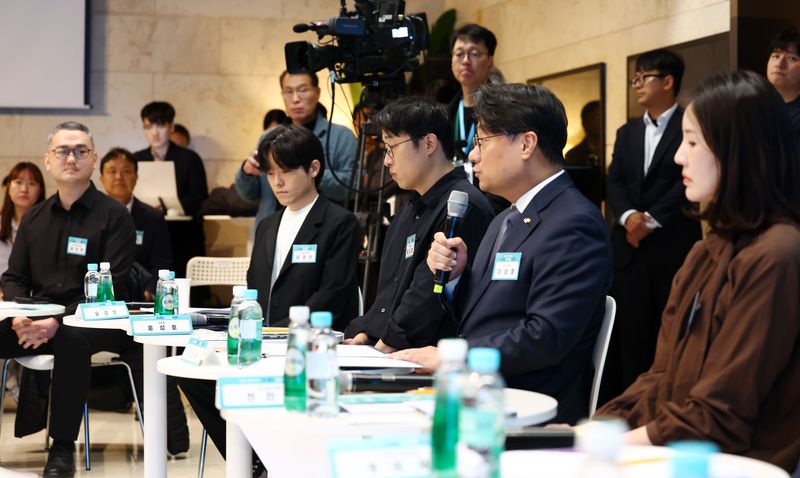
LH announced the plan at the Housing Welfare Public Dialogue Forum held on the 5th at a youth purchased-rental housing complex in Geumcheon District, Seoul. Purchased-rental housing is a program in which LH buys homes from the private sector and offers them at affordable rates.
LH said it plans to start construction this year on around 40,000 purchased-rental housing units in the Seoul metropolitan area. That is at least 18 times the 2,200 units recorded in 2024, just two years ago. From this year through 2028, its tenant recruitment plan for Seoul totals at least 20,000 units, including 1,920 in Dongdaemun District, 1,900 in Guro District and 1,061 in Mapo District.
LH President Lee Seong-hoon said, “In line with the government’s Housing Stability Plan announced last September, LH is looking to substantially expand public rental housing, mainly in Seoul and the capital region, so young people and newlyweds can live stably at an affordable cost.”
The forum was organized to hear about young people’s housing concerns and the voices of those working in the field, and to consider the future direction of the purchased-rental program. Influencers, young tenants, and officials from LH and the Ministry of Land, Infrastructure and Transport attended.
A tenant who lives in youth purchased-rental housing in Geumcheon District and works as an instructor at an art academy said, “There’s about a 10-year age gap between me and the students I teach, but they have exactly the same concerns I had when I was 20.” The tenant added, “I hope regulations will be eased so that students about to enter university don’t have to worry about raising a deposit and paying monthly rent when they come to Seoul, and that homes will be supplied quickly and in large numbers.”
Jeon Min-kyung, a reporter with Financial News’ Construction and Real Estate Desk who also appears on the YouTube channel “Jip Nawa Ttukttak,” noted, “Public rental housing is a strong housing safety net for young people facing the fear of rental deposit fraud and high housing costs, but it can also be difficult to get into.” She added, “We need to change the way people view rental housing—from welfare that people receive help from to a smart housing investment strategy.”
Yoon In-han, who runs the YouTube channel “Ayoung’s Happy Housing,” said there was a need to guarantee opportunities to move in for applicants in the second and third priority tiers of youth purchased-rental housing, where opportunities tend to go to recipients of public assistance and near-poor households. Yoon proposed setting quotas and issuing separate notices for each priority tier. “I believe deciding who gets a home is part of the housing supply,” Yoon said.
Five key issues for review of purchased-rental housing were selected based on surveys of public perceptions conducted before and after the forum: increasing the supply of youth housing in the Seoul metropolitan area; allocating quotas for youth purchased-rental housing; expanding supply in desirable locations, such as near subway stations; making complex application procedures and housing types easier to understand; and requiring tenants to move out when their income and assets increase, thereby giving other young people a chance to move in. President Lee said, “Based on what was discussed today, we will consult with the government, including the Ministry of Land, Infrastructure and Transport, and show how we are making changes people can feel.”
[email protected] Choi Ga-young Reporter