Kim Jae-seop pulls out all the stops for ‘Seoul Arena Special Zone,’ meeting minister and pushing for legal changes
- Input
- 2026-11-08 16:12:31
- Updated
- 2026-11-08 16:12:31
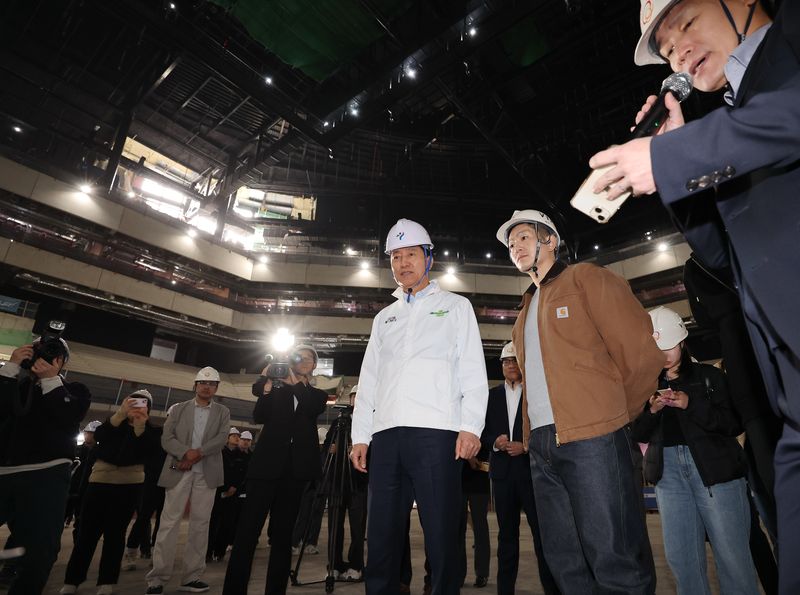
[Financial News] Legislative efforts to designate the area around Seoul Arena in Chang-dong, Dobong-gu, Seoul, as a special zone are gaining momentum ahead of the venue’s opening next year. Kim Jae-seop, a People Power Party lawmaker representing Dobong-gu, has introduced a bill to ease the requirements for designation as a tourism special zone and is also exploring another way to secure special-zone status. The idea is to boost the local economy by drawing visitors flocking to the large concert venue to nearby businesses.
According to political circles on the 8th, Kim recently met with Minister of SMEs and Startups Lee So-young to discuss designating the area around Seoul Arena as a regional specialized development zone. He is now consulting with relevant agencies on preparing an application for designation, following preliminary consultations with the Seoul Regional Office of SMEs and Startups under the ministry. The move aims to secure a separate administrative route in case amendments to the laws required for tourism-special-zone designation are delayed.
Kim is working hard to secure special-zone designation because of what will come after Seoul Arena opens. “The key question is whether the added value generated by the 100,000 people who come each week will be shared with the local area,” he told this newspaper. “Concertgoers need to stay in the area, spend money and stay overnight, but there isn’t adequate infrastructure for that right now.” Connecting tourists’ spending to nearby businesses after the venue is built is a challenge he must address as the district’s lawmaker.
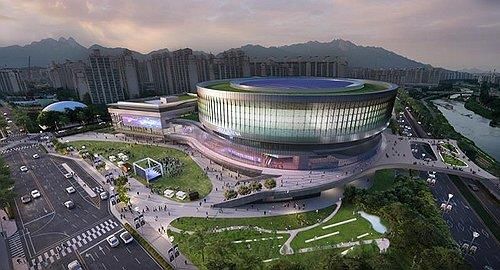
The first option he pursued was a legal amendment. Under the current Tourism Promotion Act, an area in Seoul must meet certain requirements to be designated a tourism special zone, including attracting at least 500,000 foreign tourists over the past year. In September, Kim introduced as the lead sponsor an amendment to the act that would allow areas to be designated as “preliminary tourism special zones” for up to five years, enabling tourism infrastructure to be developed even before a concert venue opens. “The best way is to designate a special zone in advance and build infrastructure when major facilities are coming in and sufficient tourist demand is expected,” Kim said.
Because they cannot simply wait for the law to be amended, they are also pursuing an MSS local special zone as an alternative. Under the system, a local government submits a business plan tailored to the area’s characteristics, and the zone is designated after consultations with relevant ministries and a review by the Regional Specialized Development Zone Committee. Kim said, “MSS seems to offer the most practical and fastest option.” They are also considering designating a development promotion district at the Seoul Metropolitan Government level, and are broadly exploring all available options.
They are also developing ways to increase local residents’ incomes after the special-zone designation. The plan is to have resident-centered cooperatives take on venue-related work or lodging services for group visitors and share the profits. Kim explained, “The idea is to establish a cooperative centered on local residents, outsource simple labor tasks or entrust it with lodging, and enable the cooperative to share the resulting profits.”
[email protected] Kim Kyung-min Reporter