Jeju Province Pursues Special Provision Allowing Sales at 11 Recreation Areas ... JDC Seeks Legislative Support from National Assembly
- Input
- 2026-11-05 13:52:21
- Updated
- 2026-11-05 13:52:21
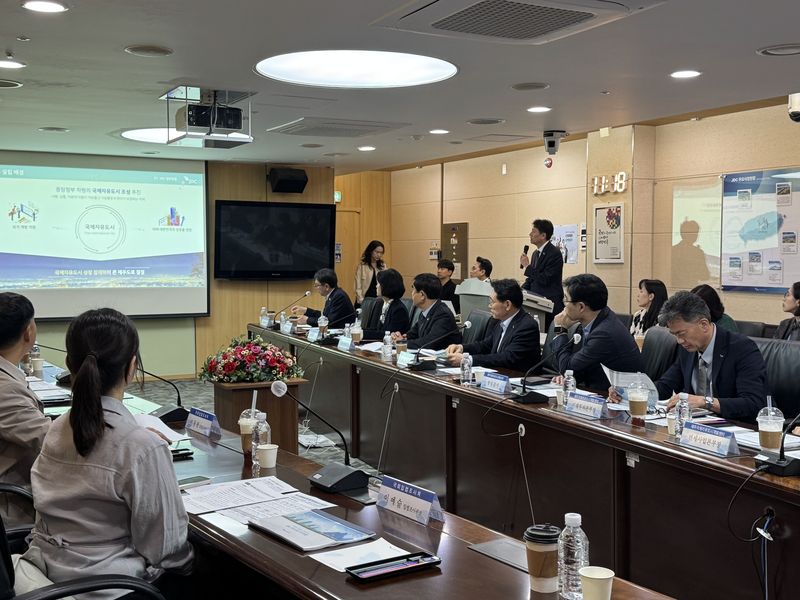
【Financial News, Jeju — Reporter Jeong Yong-bok】 A special legal provision to ease restrictions on the disposal of land and facilities at 11 development project sites in Jeju Province, which are designated both as recreation areas and as tourist attractions or tourist complexes, is being pursued. The Jeju Free International City Development Center (JDC) has requested legislative support from the National Assembly Research Service (NARS) to improve conditions for private investment in development projects that have been stalled for a long time.
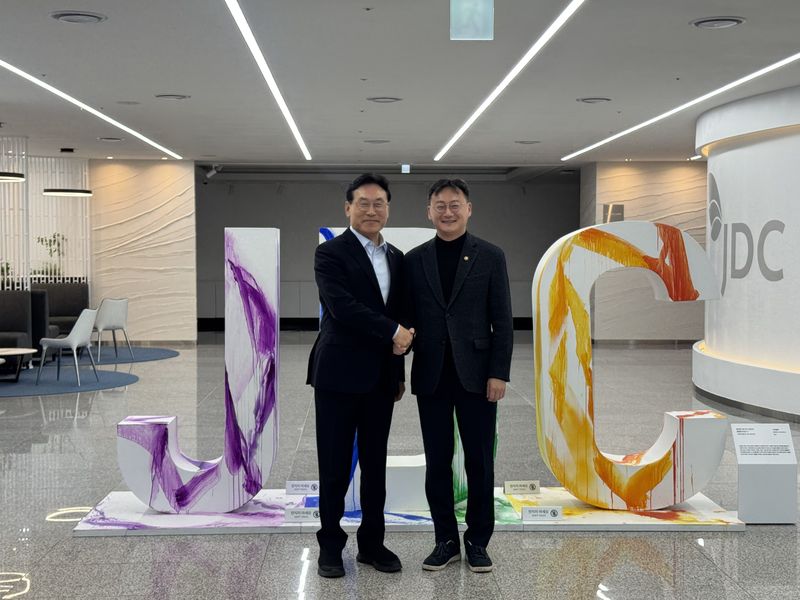
According to JDC on the 5th, Chairman Song Seok-eon met the previous day with Lee Gwan-hu, head of the National Assembly Research Service, and others, and discussed regulatory conflicts arising from overlapping designations as recreation areas and tourist complexes, as well as ways to improve the institutional framework.
The central issue is which laws apply to the disposal of land and facilities. The Tourism Promotion Act permits the sale, lease or entrustment of developed tourism facilities, but recreation areas designated as urban planning facilities face restrictions on the disposal of land to ensure the public interest.
In 2017, the Supreme Court raised concerns about the public interest in selling land to third parties during the development of recreation areas. By contrast, in 2021, the Ministry of Government Legislation interpreted the law as permitting the sale of some completed tourism facilities. The disposal of land under development and that of completed facilities are subject to different legal assessments.
Jeju Province is pursuing a separate special provision in the Jeju Special Act to resolve these regulatory conflicts. The provision would allow some land and facilities at sites with overlapping designations to be sold, leased or entrusted, provided that the public interest is maintained.
Jeju Province has identified 11 sites that are designated both as recreation areas and as tourist attractions or tourist complexes. They include Jeju Shinhwa Historical Park, Jeju Healthcare Town, Jungmun Tourist Complex, Seongsanpo Marine Tourism Complex and Hamdeok Tourist Site.
Jeju Shinhwa Historical Park and Jeju Healthcare Town, both being developed by JDC, could also be affected by the institutional changes. Some facilities at both projects remain undeveloped, or work has been delayed in certain areas. However, other factors, including investors’ circumstances and project plans, mean that establishing the special provision alone would not guarantee that the projects resume.
The possibility that regulatory easing could lead to the privatization of development gains is also at issue. At an administrative audit by the Jeju Provincial Council last October, Council member Jung Min-gu pointed out that “the special provision allowing sales could be used as a means of guaranteeing developers gains from market price increases.”
Jeju Province is also considering requiring businesses that purchase land or facilities to assume the rights and obligations of the existing project. Remaining tasks include clearly defining the scope of sales, pricing, the handling of development gains and the obligation to maintain public facilities.
JDC Chairman Song Seok-eon said, “I ask for your continued interest and cooperation so that these related issues can lead to substantive improvements to the institutional framework.”
National Assembly Research Service head Lee Gwan-hu said, “Based on what we have heard about concerns in the field, we will actively review the necessary matters, identify legislative and institutional measures, and provide support.”
The National Assembly Research Service supports the National Assembly’s legislative work and policy reviews. JDC plans to continue follow-up consultations with NARS. Amendments to the Jeju Special Act are expected to focus on promoting private investment, ensuring the public interest in land disposal and managing development gains.
[email protected] Jeong Yong-bok Reporter