LH's purchased-rental housing starts in the Seoul metropolitan area rise 18-fold in two years... Seoul to recruit tenants for 20,000 units
- Input
- 2026-11-05 15:41:52
- Updated
- 2026-11-05 15:41:52
[Financial News] The number of Korea Land and Housing Corporation (LH) purchased-rental housing units starting construction in the Seoul metropolitan area has climbed to around 40,000 this year, from just 2,200 two years ago.
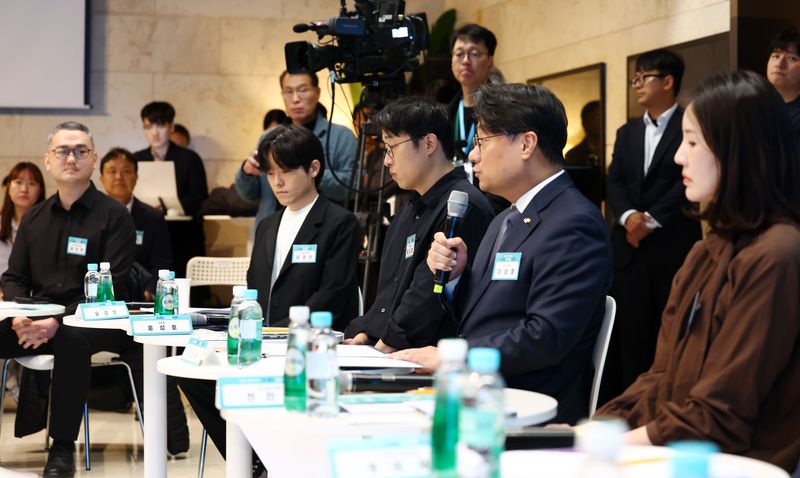
According to LH on the 5th, President Lee Seong-hoon said at the ‘Housing Welfare Public Dialogue Forum’ held that day at Esquis Gasan, a youth purchased-rental housing complex in Geumcheon District, Seoul: “As a result of accelerating housing supply to support stable housing for ordinary people who do not own homes, including young people and newlyweds, the number of purchased-rental units starting construction in the Seoul metropolitan area has reached around 40,000 this year alone, up at least 18-fold in just two years from only 2,200 two years ago.” He added, “From this year through 2028, it should be possible to recruit tenants for a total of at least 20,000 units in Seoul.”
Data released by LH show that the number of purchased-rental units starting construction nationwide rose from 4,100 in 2024 to 14,000 last year and 44,000 this year (planned). In Seoul alone, the figure increased over the same period from 600 to 3,200 and then 11,000. The number of units in Seoul for which tenants will be recruited is 3,072 this year and 5,898 next year, rising to 11,558 in 2028, with 56.3% of the three-year total concentrated in the final year. By type, 14,558 units are for young people (70.9%), 3,398 for newlyweds (16.6%) and 2,572 for other groups (12.5%). By district, five districts—Dongdaemun (1,920 units), Guro (1,900), Gangdong (1,861), Gangseo-gu (1,638) and Gangbuk (1,064)—account for 40.8%. By contrast, Gangnam (221 units), Seocho (238), Dongjak (182) and Seongdong (174) each had only around 200 units.
The forum was organized to hear about young people’s housing concerns and the views of people on the ground, and to identify the direction the purchased-rental program should take. Young residents of purchased-rental housing, housing experts including researchers, and youth influencers joined as panelists and discussed housing standards and amenities favored by young people, ways to improve the process from application to move-in, and how to provide information in a way that resonates with them. Young residents candidly pointed to blind spots in the housing safety net, the need to expand rental housing for people just starting their careers, and LH services that lag behind private real estate platforms. Yun Gyeong-min, a young resident of purchased-rental housing, said, “Newly built purchased-rental housing is less expensive than nearby market rates, so it helps young people a great deal by allowing them to start a stable life. I hope supply will be expanded.” Before the forum, LH collected suggestions for improvements from young people in advance and conducted surveys before and after the event to finalize five areas for review.
President Lee Seong-hoon of LH said, “For young people, a home is not simply a place to live; it is the foundation for preparing for the future and taking on new challenges.” He added, “We will strengthen communication and our ability to deliver, and rapidly expand public rental housing, centered on the Seoul metropolitan area, so young people can live stably in urban areas at an affordable cost.”
[email protected] Jung Gyeong-su Reporter