'Seoul Hanok Week' draws around 85,000 visitors... Hanok homes become cultural spaces in everyday life
- Input
- 2026-11-05 11:02:30
- Updated
- 2026-11-05 11:02:30
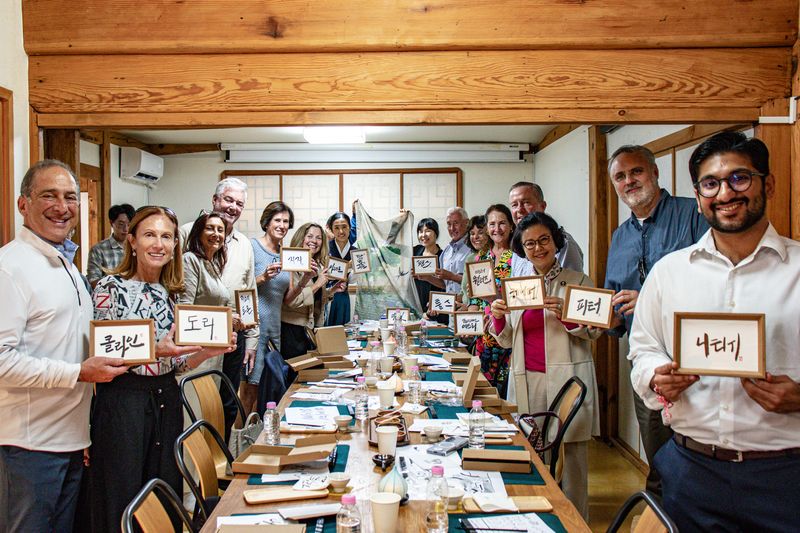
Held over 10 days, from October 2 to 11, across Seoul, including Bukchon Hanok Village and Seochon, the “4th Seoul Hanok Week” presented a record 82 programs under the theme “Seoul Hanok in Everyday Life.” Around 180 organizations and other participants, including the Embassy of Switzerland in Korea and the Jongno Cultural Foundation, took part. The event has drawn increasingly large crowds with each edition, attracting around 35,000 people in 2024, around 74,000 last year and around 85,000 this year.
This year, programs that moved beyond simple viewing and showcased the potential for modern uses of hanok proved especially popular. The “Seoul Hanok in Everyday Life” exhibition, which furnished six public hanok houses in Bukchon Hanok Village and Seochon with contemporary furniture and home accessories, drew around 17,000 visitors. A special tour, “Beyond the Main Gate: Hanok,” offered a look inside hanok houses that are usually closed to the public to mark the 10th anniversary of the Seoul Excellent Hanok Certification System. It saw strong demand, with about four people competing for each available advance booking.
Performances and hands-on activities that added to the atmosphere also continued throughout the event. More than 1,000 people attended nine performances, while traditional culture programs such as “Korean Tea We Didn’t Know About” and “The Humanities of Traditional Liquor” saw fierce booking competition, averaging 18 applicants per spot. Six hanok libraries hosted “Hanok Bookshelf,” a program introducing new books and offering a distinctive blend of reading and hanok.
The growing popularity of hanok is seen as the result of the Seoul Metropolitan Government’s sustained policies to preserve and make use of them. Beginning with then-Mayor Oh Se-hoon’s “Seoul Hanok Declaration” in 2008, support once limited to Bukchon Hanok Village was expanded across Seoul. The 2023 “Seoul Hanok 4.0 Recreation Plan” further broadened the scope to include modern uses and global outreach. More recently, the UK-based city and travel publication Time Out named Jongno 3-ga the world’s coolest neighborhood for 2026, bringing international attention to Seoul’s hanok lanes, including those in Ikseon-dong, where tradition and modernity come together.
During the event, Mayor Oh Se-hoon personally visited five public hanok sites, including the Bukchon Culture Center, Bukchon Binkwan and Hanok Mirinae House. He looked at how the sites have evolved beyond residences into spaces for culture, art and lodging, and spoke with citizens.
Myeong No-jun, head of the Seoul Metropolitan Government’s Housing Office, said, “We will expand public hanok hubs across Seoul that reflect the distinctive character of each area, so that more citizens can enjoy hanok in their everyday lives and people from around the world can experience Seoul more deeply.”
[email protected] Jeon Min-gyeong Reporter