“A ‘39.6 million won’ difference for giving birth just one day later”... Debate over the fairness of child-rearing support
- Input
- 2026-11-05 11:23:22
- Updated
- 2026-11-05 11:23:22
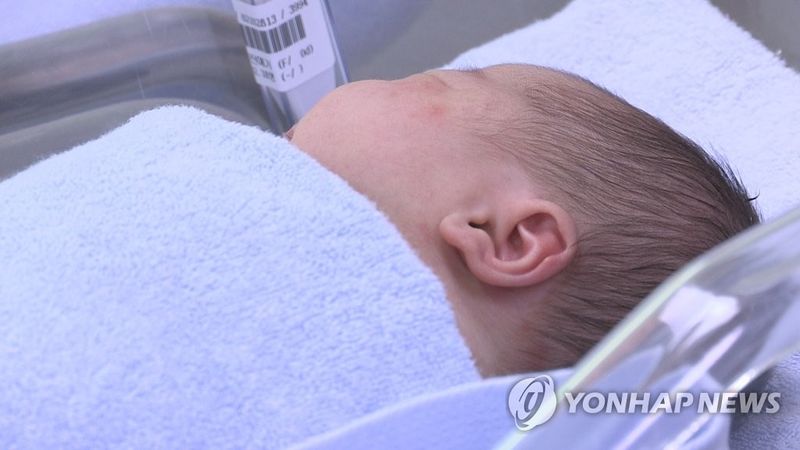
[Financial News] With major programs in the childcare sector, including the Birth Grant, set to be revamped next year, a fairness controversy has emerged over differences in support of up to nearly 40 million won depending on whether the new system applies.
Unified Birth Grant to be introduced for babies born from July next year
According to the National Assembly Budget Office’s analysis of key issues in the National Fiscal Management Plan on the 4th, the government plans to introduce a Birth Grant that consolidates the existing First Encounter Voucher, parental allowance and other benefits, starting with babies born in July next year.
In non-priority areas, the Birth Grant will provide 10 million won for a first child, 12 million won for a second child and 15 million won for a third or subsequent child. In priority areas, support for a third or subsequent child will be up to 20 million won.
The existing parental allowance is scheduled to be discontinued after applying only to babies born through June next year. Accordingly, the government allocated 2.2695 trillion won for the parental allowance in its 2027 budget proposal, 103.1 billion won less than the previous year. The First Encounter Voucher will likewise be provided only to babies born through June next year, with the revamped Birth Grant system applying to babies born from July onward.
Assuming that the place of residence and childcare arrangement remain unchanged throughout the support period, the National Assembly Budget Office compared the amount of support before and after the system overhaul. It estimated that the difference in cumulative support per child from age 0 through 12 would range from 12.5 million won to 39.6 million won.
Priority areas: up to 80.38 million won through age 12 ... a 39.6 million won gap with non-priority areas
Children living in priority areas and using center-based childcare at ages 0–1 would receive a total of 80.38 million won from age 0 through 12 under the revamped system. By contrast, children born before the overhaul would receive 40.78 million won, leaving a gap of up to 39.6 million won between the two groups.
Even for firstborn children in non-priority areas, where the support gap is smallest, those covered by the revamped system would receive a total of 48.4 million won, compared with 35.9 million won for children covered by the existing system—a difference of 12.5 million won, according to the analysis.
Differences in support also arise depending on when a baby is born next year, even when looking only at newborns. For a firstborn child receiving home-based care in a non-priority area, babies born through June next year will receive a total of 16.7 million won: 12 million won in parental allowance, 2.3 million won through the First Encounter Voucher and 1.2 million won in Child Allowance. By contrast, babies born from July onward will receive a total of 18 million won, including a 10 million won Birth Grant and 6 million won in Child Allowance—1.3 million won more than under the existing system.
The government is considering measures, including applying the new system retroactively starting with babies born in January next year, to address the fairness controversy and narrow the gap.
[email protected] An Ga-eul Reporter