Cheongna Recreational Land Overrun with Weeds... Controversy Over Pressure to Establish a ‘First-Priority Provisional Registration’ Not Mentioned in the Sale Notice
- Input
- 2026-11-08 14:59:50
- Updated
- 2026-11-08 14:59:50
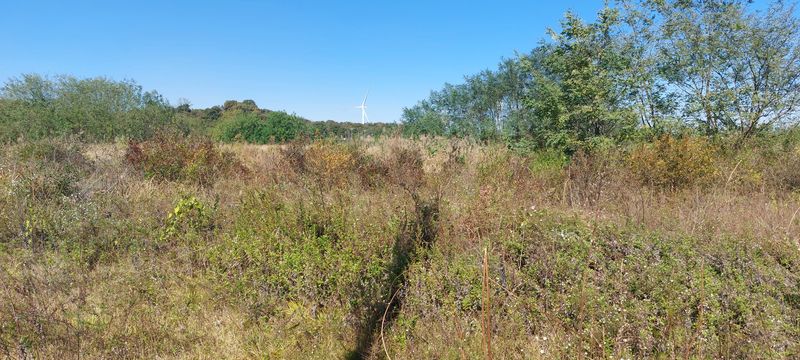
According to industry sources on the 8th, development of the Cheongna recreational land has failed to gain momentum since the land was sold in 2017. While construction is in full swing on Starfield Cheongna, which will include a domed stadium and a mixed-use shopping complex, most of the nearby recreational land is overgrown with weeds.
In October 2017, Company A bought 43,000 square meters of recreational land in Block 4 from the corporation for 14.6 billion won. After signing the land sale contract at the end of that year, it paid 90% of the land price, including the deposit and interim payments, and was waiting only for approval to use the land.
In early 2025, the corporation told Company A it could agree to extend the loan for the interim payment only if the company signed the “Agreement on the Establishment and Amendment of a First-Priority Provisional Registration.” An A company official said, “The requirement to establish a first-priority provisional registration was a clause found nowhere before. (If the provisional registration were established,) future loans for construction costs and real estate project financing (PF) would be impossible,” adding, “Ultimately, it is a condition that makes it impossible to proceed with the project.”
Company A negotiated with the corporation several times but failed to reach an agreement. The official said, “We met with the corporation about 20 times. We proposed alternatives, such as paying the entire land price with our own funds or handling the provisional registration separately,” adding, “But the corporation insisted on establishing the provisional registration, so the negotiations fell through.”
Company A says it judged that it would be difficult to continue the project and had no choice but to request termination of the contract. The corporation terminated the contract, citing the loss of the benefit of time.
Company A argued that it had no choice but to suspend the project because a condition absent from the original contract had been added, and that the corporation was also responsible for the contract’s termination. It says that, since the project has been in the works for 10 years, the registration requirement should be withdrawn and the company allowed to resume the project under the original sale notice and sales contract.
The corporation countered that establishing the provisional registration had no bearing on PF loans or the progress of the project. It said the main reason the contract ended was the loss of the benefit of time and that Company A was responsible. Regarding A’s claim that the demand for the provisional registration was unjustified, it said it would await the court’s ruling.
Some in the industry believe that establishing a provisional registration could affect the financing of the project. An industry official said, “If a first-priority provisional registration is established, loans secured by the land could be blocked, making it highly likely that the project would fall through,” adding, “The Cheongna recreational land project is facing various ongoing controversies—not only over the provisional registration, but also over a reduction in the development area and delays in land use and the transfer of ownership.”
[email protected] Lee Jong-bae Reporter