“Even cold medicine can be classified as a controlled substance” ... Teen narcotics import seizures up 11.5-fold in four years
- Input
- 2026-11-05 10:35:22
- Updated
- 2026-11-05 10:35:22
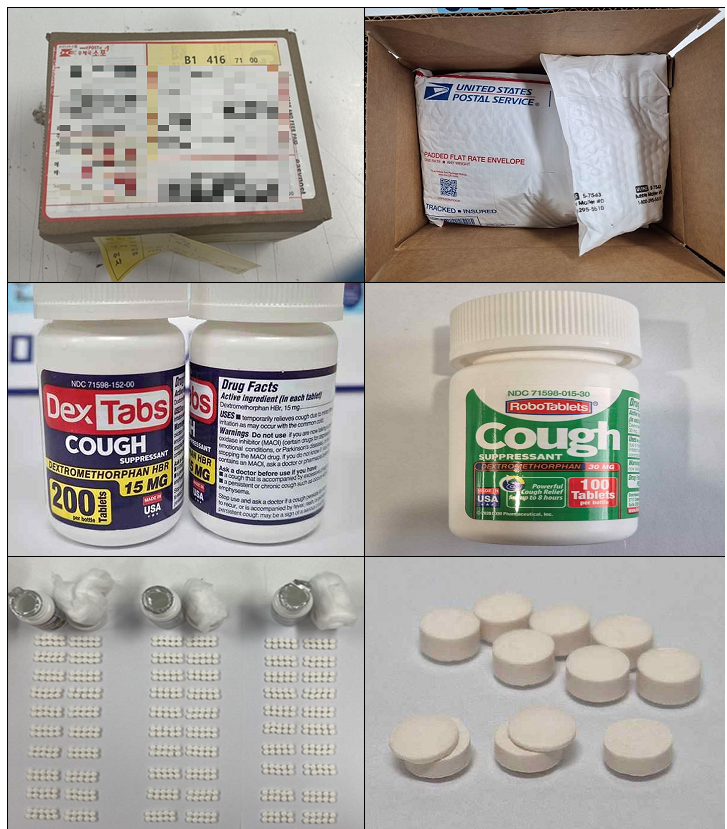
According to the KCS report “Narcotics Enforcement Status,” released on the 5th, a total of 23 cases of teenagers caught bringing narcotics into the country had been recorded as of October this year. That is 11.5 times the figure for 2022 (2 cases). Over the same period, the amount seized surged 88.3-fold, from 54 grams to 4,766 grams, making concerns about the spread of narcotics among teenagers a reality. In particular, cases involving the misuse of cold medicines containing narcotic ingredients—including dihydrocodeine (an opioid narcotic) and dextromethorphan (a Category IV psychotropic substance), used in cough suppressants—are among the main targets of enforcement.
When taken in excessive doses, these ingredients can cause serious side effects, including hallucinations, increased heart rate, seizures and respiratory depression, as well as dependence. Yet more teenagers are using them out of curiosity or in pursuit of hallucinogenic effects, without fully understanding the risks.
Earlier this year, the KCS found 400 tablets of cold medicine containing dextromethorphan during a customs inspection of international mail from the Netherlands, then arrested a teenager who received the package through a controlled delivery operation. There have been as many as 14 recent cases involving teenagers caught importing medicines containing narcotic ingredients through overseas sales websites or black-market deals on social media (SNS) and referred to prosecutors.
Statistics from the medical field show a similar trend. According to the Health Insurance Review and Assessment Service, the number of teenage patients treated for drug poisoning rose 39.5%, from 1,375 in 2020 to 1,918 in 2024. Experts warn that ingredients not classified as narcotics can be just as dangerous. Taking a large amount of cold medicine at once can cause dextromethorphan to trigger serious side effects such as hallucinations and respiratory depression. Acetaminophen, an ingredient in fever and pain relievers, can cause liver damage when taken in excess and may even lead to life-threatening liver failure.
Legal consequences are also severe. Under the current Narcotics Control Act, anyone who imports or exports narcotics or psychotropic substances is subject to life imprisonment or a prison term of at least five years. Even teenagers cannot avoid criminal punishment for illegally ordering or bringing in such products, even if they do so out of curiosity.
Accordingly, the KCS is stepping up surveillance and inspections across major channels for bringing goods into the country, including travelers, international mail and express cargo. It plans to respond firmly, including by launching immediate investigations when people repeatedly or excessively bring in medicines containing narcotic ingredients, or have prior convictions for similar offenses.
Lee Na-ae, head of the KCS International Investigation Division, said, “We must do everything possible to prevent teenagers from being exposed to narcotics,” adding, “We will crack down forcefully, without exception, on attempts to bring in illegal medicines containing narcotic ingredients.”
[email protected] Kim Won-jun Reporter