AI Rejected by Voters Faces Closer Scrutiny Ahead [U.S. Midterm Elections]
- Input
- 2026-11-05 12:11:39
- Updated
- 2026-11-05 12:11:39
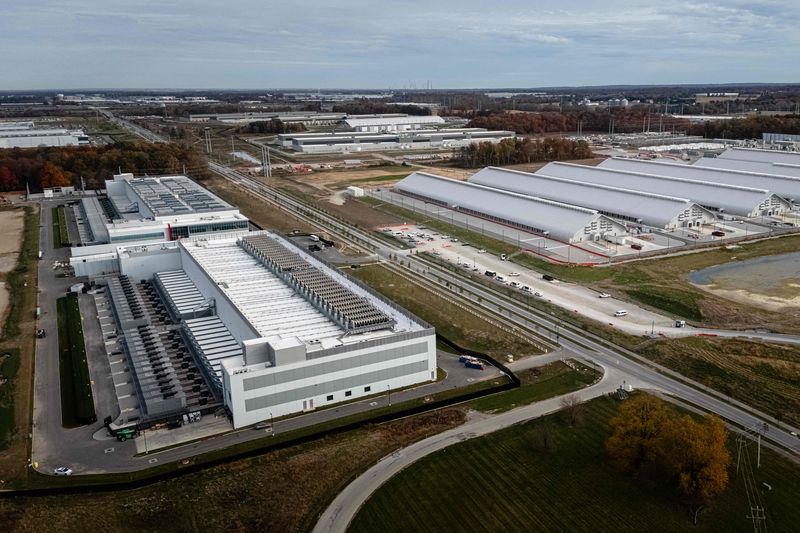
[Financial News] In the U.S. midterm elections, despite Big Tech executives pouring unprecedented sums into political donations for pro-business candidates, Democrats rode a wave of public anger to sweeping victories in gubernatorial races and state legislatures. A harsh regulatory chill is now expected to sweep across the artificial intelligence (AI) industry.
According to a report by The New York Times (NYT) on the 4th (local time), measures to restrict or ban data-center development passed in no fewer than 40 of the ballot measures put to voters in 41 areas across the United States in this election. Candidates for governor and legislator who ran on anti-Big Tech platforms won in large numbers in key states including Texas, Ohio and Georgia. Darrell West, a senior fellow at the Brookings Institution, said the results pointed to “a tsunami of new regulation and oversight.”
The Trump administration and the Republican Party-led Congress had until now maintained a reluctant stance on regulation, citing the competition with China for AI leadership. But public sentiment cooled rapidly as frustration grew over massive data centers being built near residential areas and monopolizing power and water resources, soaring electricity bills, job losses caused by AI, and national security threats.
Blair Levin, head of policy analysis at investment consultancy Optimal Advisory, said, “This election sent a clear message to local and state government officials that blocking or delaying data-center development is politically beneficial.”
The approach of state governments, which had been attracting data centers by offering large tax incentives, has also reversed. Newly elected officials are pushing bills that would require data centers to build their own power plants and pay directly for electricity and water use, while also mandating contributions to local education funds.
Having retaken both chambers of Congress, Democratic leaders plan to swiftly advance sweeping AI legislation starting next year, including safety standards for advanced large language models (LLMs), protections for workers and copyrights, and regulations to protect children.
At the same time, they have announced plans for sweeping investigations involving subpoenas and hearings into allegations of collusion between the Trump administration and Big Tech leaders.
Senate Democratic leader Hakeem Jeffries, along with senators Cory Booker and Ed Markey, said they would closely investigate signs of improper dealings involving Big Tech companies, including the Trump family’s cryptocurrency business. “We may need a new forest just to print all the subpoenas we’re going to issue,” Markey said, signaling an intensive investigation.
The conflict-of-interest issues surrounding venture capitalist David Sacks, who served as a close Trump ally and policy adviser, as well as Elon Musk’s government contract wins and allegations that Starlink service was cut off in Ukraine, are also expected to come before hearings.
Massachusetts Senator Elizabeth Warren, considered a leading contender to chair the Senate Committee on Banking, Housing, and Urban Affairs, plans to summon NVIDIA CEO Jensen Huang to Congress. Warren plans to press Huang on his lobbying of the White House to ease semiconductor export restrictions to China and on allegations that semiconductors were smuggled to China’s spy network through data centers in Singapore.
Bernard Yaros, chief economist at Oxford Economics, said, “As residents gain greater regulatory power, overheated investment in AI infrastructure may cool somewhat. In the long term, this could ease inflationary pressures and provide a positive path for the Federal Reserve and the broader economy.”
[email protected] Yoon Jae-joon Reporter