GM targets halving vehicle development time with AI and virtualization; virtually tests 300,000 battery designs
- Input
- 2026-11-05 09:24:50
- Updated
- 2026-11-05 09:24:50
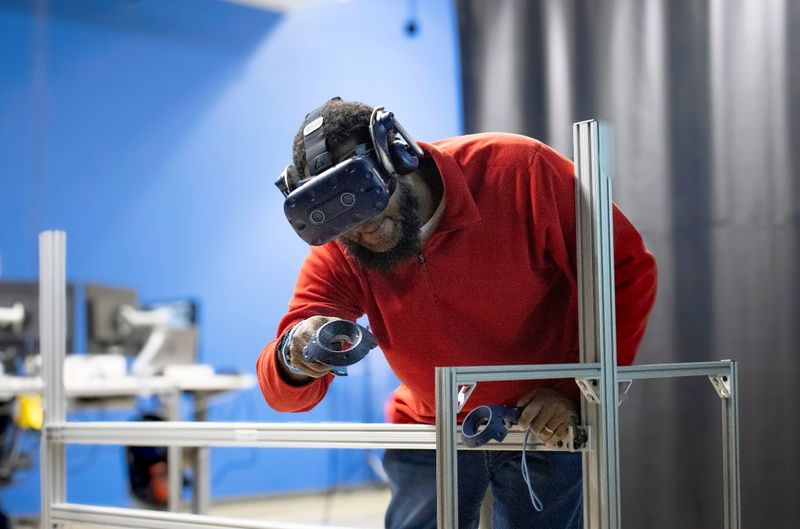
On the 5th, GM said it had unveiled a vehicle development system that links design, engineering and production, along with plans to drive manufacturing innovation based on virtual validation and factory data, at the “GM Forward” event held in New York City on the 21st of last month (local time).
Vehicle development currently takes 4–5 years. GM plans to cut that period to about half using enterprise AI and virtualization technology. The company aims to streamline the process from initial sketches to mass production by bringing design, engineering and production together in a single “digital thread” from the earliest stages of development. Through this concurrent engineering model, it also plans to drive continuous improvement and rapidly scale up the application of new technologies.
Virtual design validation was used in the development of lithium manganese-rich (LMR) batteries. GM virtually tested more than 300,000 battery designs before building physical prototypes. It said that, as a result, it completed the process from creating the first LMR battery-pack concept to approval of the formal development program in just one month. This development system is also being applied to the development of GM’s fourth-generation EV platform.
In manufacturing, digital models can be used to review production processes and equipment layouts before new equipment is installed, helping identify safety and worker ergonomics issues in advance. During mass production, GM’s factory intelligence platform, “PlantBrAIn,” is expected to combine on-site data with computer models to support improvements to the manufacturing processes for fourth-generation EVs and battery packs. GM said it had increased throughput by 30% using this approach at a battery-pack assembly facility, and that similar tools are also used in stamping, casting, welding, painting and final assembly.
Fourth-generation EVs use a new electrical and computing architecture that allows the vehicles to check their own electrical connections while moving along the production line. The company said this could significantly reduce the separate final electrical verification process previously performed after assembly.
A GM official said, “We will extend virtual design and validation from development to the production floor so that new technologies can be incorporated into products more quickly.”
[email protected] Kim Dong-chan Reporter