Chungnam Province Seeks to Expand Its Social Solidarity Economy; 16 Groups Sign Nation’s First Major Pact on Solidarity and Cooperation
- Input
- 2026-11-05 09:09:57
- Updated
- 2026-11-05 09:09:57
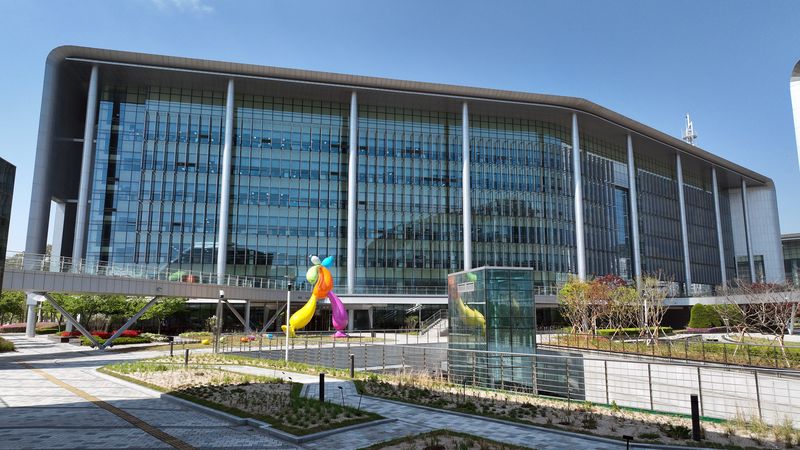
Chungnam Province said it signed an “Agreement on Solidarity and Cooperation to Promote the Social Solidarity Economy in Chungnam and Ensure Sustainable Regional Development” on the 5th at the Chungnam Social Economy Innovation Town in Cheongyang-gun with 13 local social solidarity economy groups and three national civic movement organizations.
Among the social solidarity economy groups that signed were the Chungnam Social Enterprise Council, Chungnam Village Enterprise Council, Chungnam-Sejong Self-Sufficiency Enterprise Association, and Chungnam Ttasum Social Cooperative Federation. Also participating were regional offices of the central organizations of the National Agricultural Cooperative Federation (NACF), National Federation of Fisheries Cooperatives, Shinhyup, Forestry Cooperative, and Saemaul Geumgo; the Chungnam Regional Office of the Korea Federation of SMEs; the Chungnam Venture Association; Pulmu Consumer Cooperative; and Chungnam Leaf Tobacco Producers Cooperative—13 organizations in all. Three national civic movement organizations also joined: the Chungnam Saemaul Association, the Chungnam Provincial Council of the Better Living Movement, and the Chungnam Provincial Chapter of the Korea Freedom Federation.
The social solidarity economy is a model that prioritizes the value of people and communities, conducts economic activity through cooperation and solidarity, and shares the results with members of society. It is emerging as an alternative that can address the limitations of market competition.
Under the agreement, Chungnam Province and the participating institutions will work together to develop policies and joint projects to promote the social solidarity economy; share relevant information, materials and policy outcomes; help organizations expand their market access and achieve sustainable growth; improve access to finance and connect them with financial support; and strengthen capabilities through education, publicity and consulting. They plan to turn the agreement into concrete projects by appointing representatives at each institution and operating a working-level consultative body.
Chungnam Governor Park Soo-hyun emphasized, “Chungnam seeks a ‘fountain economy,’ in which the capabilities of residents and local communities rise from the ground up, moving beyond a ‘trickle-down economy’ centered on large corporations. When the wisdom and capabilities of groups that have long sustained their communities are brought together, a distinctive and sustainable model of cooperation unique to Chungnam will be realized.”
At a forum held after the signing ceremony, the government’s and Chungnam Province’s policy directions for the social solidarity economy were presented. Participants explored ways to address pressing challenges, including population decline, regional extinction, gaps in care services and declining vitality in rural and fishing communities. The accompanying gathering also featured three forum sessions on topics including an impact forum, local business strategies, and the potential of cultural and artistic communities.
Chungnam Province established the nation’s first Social Solidarity Economy Bureau, laying the groundwork for integrating policies and projects that had been dispersed across different areas. The province plans to expand public-private cooperation into major policy areas such as care, housing, energy, and rural and fishing communities, following the enactment of a basic ordinance on the social solidarity economy and the development of a mid- to long-term plan.
Meanwhile, the Framework Act on the Social Solidarity Economy, which brings together the policy framework for the sector, passed the plenary session of the National Assembly of the Republic of Korea on August 20. This came 13 years after the first bill was introduced in 2014. The act is scheduled to take effect next March, following State Council approval and promulgation. It provides for the establishment of a committee directly under the president, a five-year master plan, a legal basis for “social solidarity finance” encompassing investment, loans and guarantees, and preferential purchasing by public institutions. This establishes an institutional foundation for integrating a support system that had been divided among government ministries and separate laws. Chungnam Province’s agreement and its move to enact an ordinance are part of these central-level institutional reforms.
[email protected] Kim Won-jun Reporter