U.S. Democrats’ Victory Opens ‘Door of Opportunity’ for K-Healthcare; CHA Biotech and Others Watch for Potential Gains
- Input
- 2026-11-05 08:28:48
- Updated
- 2026-11-05 08:28:48
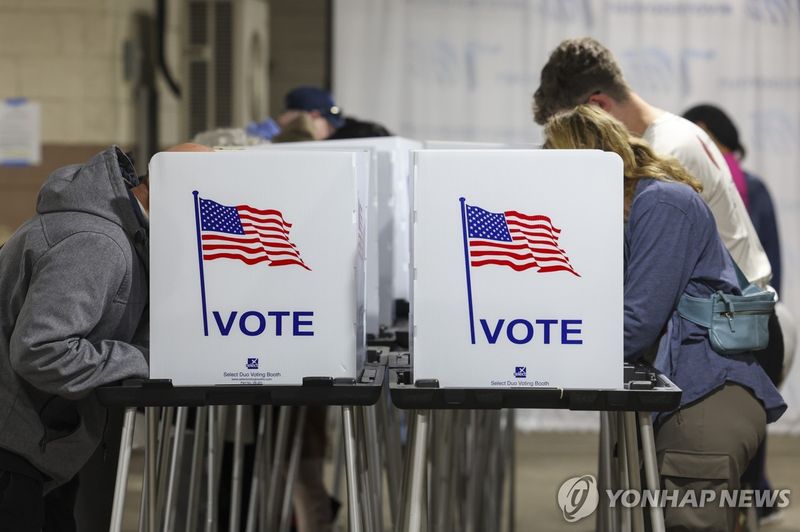
[Financial News] In the United States midterm elections, the Democratic Party (Democrats) recaptured both the House and the Senate, drawing attention to the impact on Korean healthcare companies’ U.S. operations.
The likelihood of a check on budget cuts to Medicaid, the public health insurance program for low-income people, has increased. CHA Biotech Co., Ltd., which operates hospitals in the United States, is seen as a potential beneficiary of policy changes, particularly because public health insurance accounts for a high share of its revenue.
According to investment banks (IB) and the bioindustry on the 5th, the Democrats’ midterm election victory is expected to lend momentum to discussions on reversing Medicaid budget cuts and restoring subsidies under the Patient Protection and Affordable Care Act (ACA, Obamacare). Since the Democrats have opposed cuts to healthcare coverage, policy changes involving related budgets and legislation are expected.
Among Korean companies, CHA Biotech Co., Ltd. is drawing attention. CHA Hollywood Presbyterian Medical Center in Los Angeles (LA), which is operated by an affiliate of CHA Biotech Co., Ltd., is a medical institution with a high share of revenue from public health insurance.
According to 2024 data from the California Department of Health Care Access and Information (HCAI), Medi-Cal accounted for 50.2% of inpatient revenue at CHA Hollywood Presbyterian Medical Center. It also made up 49.3% of outpatient revenue. The inpatient figure is far above the 31.4% average for hospitals across California. Medi-Cal is the “Medicaid program” operated by the state of California.
Given the hospital’s high reliance on public health insurance, related policy changes are expected to be a key factor for its local operations. If Medicaid budget cuts are eased or support for enrollees is expanded, this could help maintain the patient base and stabilize the collection of medical fees. However, the extent of any improvement in profitability may vary depending on reimbursement rates and the terms of actual budget implementation.
Meanwhile, medical artificial intelligence (AI) company Deepnoid and biomaterials company Amicogen, Inc. are also considered worth watching for the medium- to long-term business environment shaped by changes in U.S. healthcare policy.
Deepnoid is engaged in medical imaging AI technology, while Amicogen, Inc. operates a materials business related to biopharmaceutical production. However, neither company has a confirmed direct revenue link to an expansion of public health insurance in the United States, so whether they will actually benefit will depend on future business expansion and how the policies are implemented.
An industry official said, “If U.S. healthcare coverage policy shifts toward expansion, companies that directly operate local hospitals and have a high share of revenue from public insurance could receive relatively more attention,” adding, “Whether profitability actually improves will depend on the specific implementation conditions, including reimbursement rates and budget execution.”
Despite the Democrats’ control of Congress, policy uncertainties remain, including the Trump administration’s veto power. The results of legislation and budget negotiations related to healthcare coverage after the new Congress convenes next January are expected to affect Korean healthcare companies’ U.S. operations.
[email protected] Kim Gyeong-a Reporter