Samsung Biologics union: Will it strike after all? Second strike announced for midnight on the 6th
- Input
- 2026-11-05 14:20:11
- Updated
- 2026-11-05 14:20:11
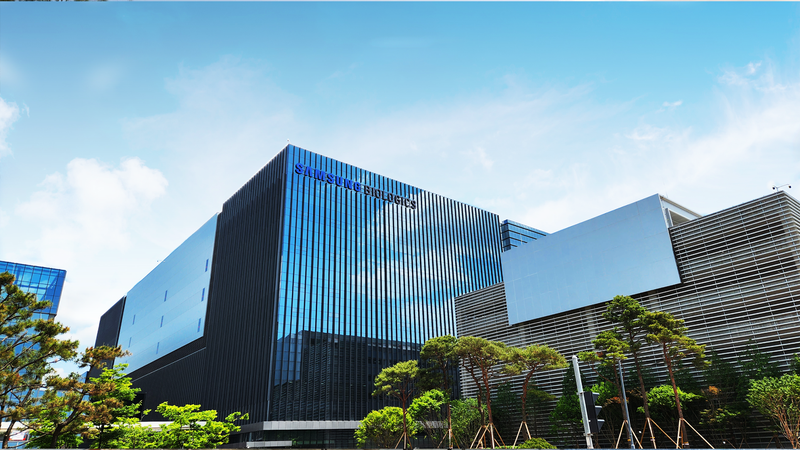
According to industry sources on the 5th, Samsung Biologics Labor Union will stage a second strike from midnight on the 6th through the 27th. About 400 people will take part, roughly 10% of the approximately 4,000 union members. Quality control (QC), quality assurance (QA), logistics, and indirect support roles within production departments are the initial strike targets.
This strike is a follow-up measure after a court ruling constrained a full-scale strike. Earlier, on the 16th of last month, the Incheon Appellate Division of the Seoul High Court expanded the production processes subject to strike restrictions from three to nine in an appeal hearing on an injunction banning industrial action. The union consequently postponed the three-week full-scale strike it had planned to begin on the 26th of last month. Labor and management then agreed to resume negotiations on the 3rd of this month, but talks fell through due to differences, including over replacing the bargaining representative.
The scope of the union’s demands is also at issue. The union has called for an average wage increase of 9.5% and for 15% of annual operating profit before tax to be allocated to a performance-bonus pool. The company reportedly offered an average wage increase of 6.2% and an incentive payment of 6 million won per employee. In addition to the gap between the two sides’ compensation proposals, demands to improve the personnel system and replace the company’s bargaining representative have broadened the scope of negotiations.
In particular, the demand to replace the bargaining representative is linked to management autonomy. Personnel systems related to working conditions may be subject to collective bargaining, but demanding the replacement of the company’s bargaining representative could affect who represents the company in negotiations and its authority over personnel and organizational management. Controversy is expected over whether the scope of the demands is appropriate, given the competing interests of the union’s right to bargain and the company’s management rights.
Repeated strikes are increasing the burden on the company. Samsung Biologics reportedly spent about 150 billion won to minimize the four days of production disruption during its first full-scale strike last May. This strike is limited in the number of participants and the work affected, but QC and logistics support pharmaceutical production and shipments. If the strike continues for an extended period or expands to more areas, it could also affect production schedules and delivery management.
In the global contract development and manufacturing (CDMO) business, clients value not only production capacity but also reliable supply and quality-control capabilities. If recurring labor-management disputes increase uncertainty over supply stability, they could burden the company’s ability to compete for future contracts, beyond causing short-term production disruptions.
Samsung Biologics emphasized its commitment to reaching a settlement in wage and collective bargaining through dialogue.
A company representative said, "We have continuously kept channels for dialogue open in order to reach an amicable settlement in wage and collective bargaining negotiations, and our willingness to reach an agreement through negotiations remains unchanged," adding, "However, when the union continues to take a hard line, including by expanding the strike, it may be difficult to reach constructive dialogue and an agreement." The representative continued, "We hope labor and management will seek reasonable solutions based on mutual respect and trust," and added, "We will do our utmost to maintain process operations and quality stability so that patients and clients are not harmed."
[email protected] Jung Sang-hee Reporter