Korean chipmakers pin hopes on extension of ‘35% tax credit’; revival of EV subsidies remains uncertain [US Midterm Elections]
- Input
- 2026-11-05 05:00:00
- Updated
- 2026-11-05 05:00:00
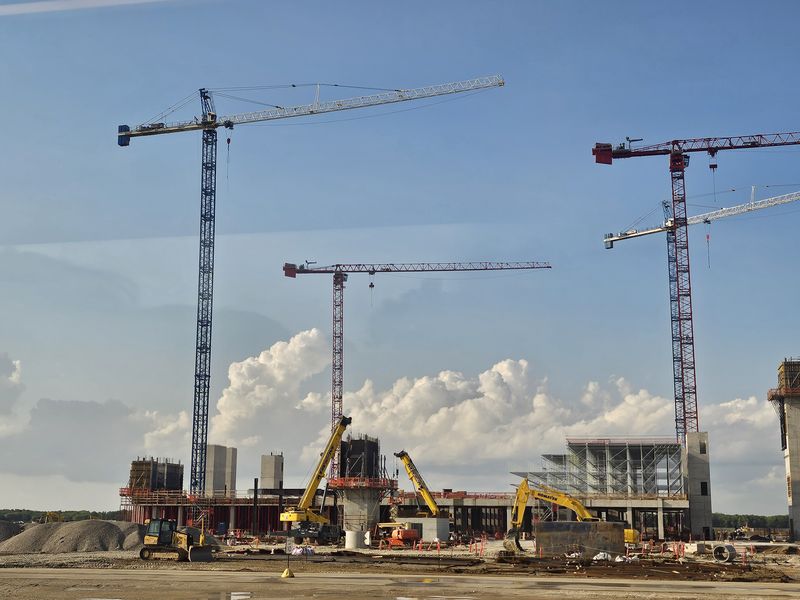
[Financial News] With Democrats taking control of both chambers of Congress after the US midterm elections, an extension of the semiconductor investment tax credit and the restoration of EV purchase incentives may be discussed, but their prospects for becoming reality are expected to differ. Both parties support extending the deadline for starting construction on semiconductor plants to qualify for the tax credit, while reviving EV purchase incentives would have to overcome the hurdles of a presidential veto and fiscal burdens.
Analysts say Korean companies will need to respond by distinguishing between opportunities to reduce investment costs in semiconductors and hopes for a recovery in EV demand.
According to KOTRA’s report, ‘2026 US Midterm Election Results and Implications,’ released on the 5th, the key variable for semiconductor investment in the US is the construction-start deadline for qualifying for the investment tax credit. Eligible assets placed in service this year or later qualify for a 35% credit, but assets on which construction begins after the end of this year are generally excluded.
If the deadline is extended, Korean semiconductor companies could secure the possibility of tax support for subsequent facility investments. However, KOTRA stressed that support from both parties does not mean the law will be amended, and that meeting the current deadline and eligibility requirements should take priority over delaying construction based solely on hopes of an extension.
Manufacturing support under the CHIPS Act will also be provided in accordance with existing agreements, but tighter oversight by Democrats is expected to bring greater scrutiny of disbursements and the restructuring of research and development (R&D) programs. Restrictions on companies receiving US subsidies expanding production capacity in China, as well as export controls on China, will remain in place, meaning the burden of coordinating US investments with operations at plants in China is also expected to continue.
The restoration of EV purchase incentives, which the auto industry is hoping for, is highly uncertain, analysts say.
The US ended tax credits for new, used and commercial clean vehicles acquired after late September last year. Democratic control of Congress has improved the prospects for discussions on restoring the credits, but implementation would require amendments to the tax code and the securing of funding; President Donald Trump’s veto is also seen as a factor.
KOTRA stressed that a ‘Democratic victory’ does not automatically lead to the ‘return of EV subsidies,’ and said a cautious response would be necessary.
For batteries, although EV purchase incentives have ended, production tax credits for qualifying battery production and sales in the US remain in place.
KOTRA noted that the key issue is supply-chain restrictions linked to companies in countries of concern such as China. Even when production takes place in the US, eligibility for the credit may vary depending on the sourcing of raw materials and components and on suppliers’ ownership and control relationships. Analysts say that, separately from waiting for purchase incentives to be restored, managing supply chains to reliably secure existing production credits has become important for Korean battery companies.
Lee Geum-ha, head of KOTRA’s North America Regional Headquarters, said, “The tariff stance is expected to be maintained even with Democrats controlling both chambers, but opportunities may emerge for Korean companies entering the US market in areas with bipartisan support, such as shipbuilding, semiconductors and the power sector.” She added, “We will closely monitor local legislative developments and actively support Korean companies so they do not miss out on opportunities.”
[email protected] Kim Hak-jae Reporter