“A tax bomb if Tesla and SpaceX merge?” Overseas-stock retail investors petition National Assembly
- Input
- 2026-11-05 04:40:00
- Updated
- 2026-11-05 04:40:00
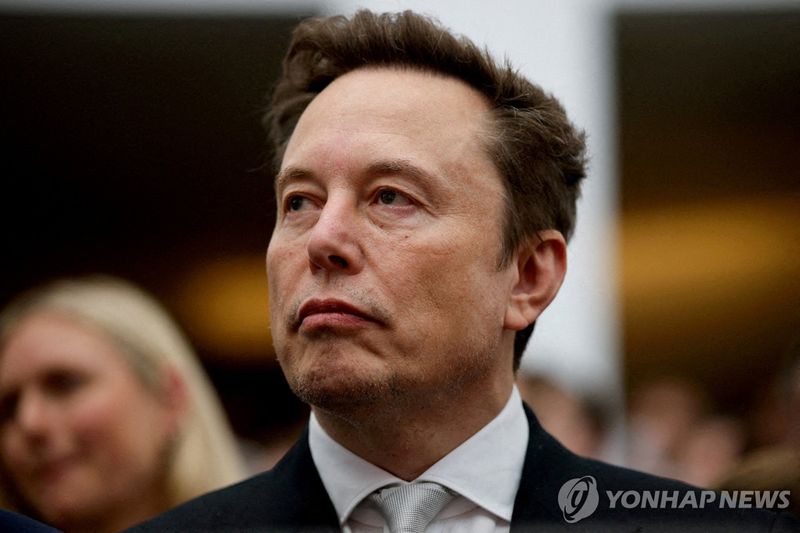
[Financial News] As the possibility of a merger between Tesla and SpaceX has been raised, South Korean investors in overseas stocks are concerned about the capital gains tax burden. A petition has even appeared calling on the National Assembly to improve the relevant system, on the grounds that taxes could be imposed during a merger even if investors do not directly sell their shares.
According to financial investment industry sources and others on the 5th, at least 27,000 people had supported a petition titled “Petition to Introduce a Capital Gains Tax Deferral System for the Reorganization of Overseas Stocks,” posted on the National Assembly’s National Agreement Petition website on October 22, as of that day.
The National Agreement Petition accepts endorsements for 30 days from the date it is made public. If the number of supporters reaches 50,000 during that period, the petition is referred to the relevant standing committee of the National Assembly for review.
The possibility of a merger between the two companies also drew attention following an analysis by global investment bank Barclays. In a report on October 14 (local time), Barclays forecast that plans for a merger with SpaceX could be announced before Tesla’s annual shareholders’ meeting in December.
Barclays said, “A merger between the two companies is increasingly becoming the market consensus.” Elon Musk, CEO of both Tesla and SpaceX, also said during SpaceX’s earnings call on October 20 (local time) that the companies planned to set up separate special committees under their respective boards to review a merger.
What concerns investors is that they may have to pay taxes even if they do not actually sell their shares. Under current tax law, if a merger of foreign companies converts existing shares into shares in another company, the transaction may be treated as a disposal, and tax may be imposed on any resulting gains.
For example, if Tesla shareholders receive shares in another company as part of a merger, they may owe capital gains tax on the difference between the original purchase price of their shares and their assessed value at the time of the exchange, even if they receive no cash proceeds. South Korean investors are concerned about being liable for taxes without selling their shares.
A 22% tax rate applies to annual capital gains from overseas stock investments after the basic deduction of 2.5 million won is subtracted. The petitioner argued that tax payments can be deferred when domestic companies merge if certain requirements are met, but that the same benefit does not apply to mergers or share exchanges between foreign companies.
The petitioner called for amendments to the Income Tax Act and the Restriction of Special Taxation Act, among other laws, to address these issues. The request is for a special provision allowing capital gains tax payments to be deferred until investors actually sell the shares, even if their holdings change as a result of a merger or share exchange involving foreign companies.
The petitioner also requested temporary measures that could be implemented before the laws are amended. The request is for temporary support measures to be considered for shareholders of companies facing the possibility of large-scale mergers, such as Tesla and SpaceX, allowing them to pay capital gains tax in installments or defer payment.
[email protected] Han Seung-gon Reporter