Korea Heritage Service to pursue standalone or expanded UNESCO inscription of South Korean taekwondo
- Input
- 2026-11-04 16:33:04
- Updated
- 2026-11-04 16:33:04
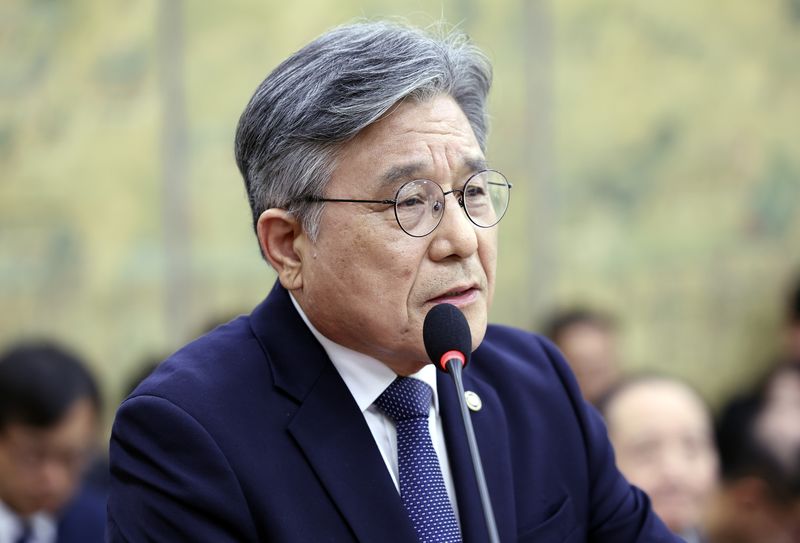
Earlier, on the 2nd, Korea Heritage Service head Huh Min said he expected North Korea’s nomination, “Traditional Martial Art of the Democratic People’s Republic of Korea—Taekwon-Do,” to receive a UNESCO Evaluation Body “recommendation for inscription.” In light of current inter-Korean relations and other factors, he considered joint inscription virtually impossible.■ A two-year gap between North and South Korea’s applications: the Heritage Service’s responseNorth Korea submitted its application to UNESCO to inscribe taekwondo in March 2024. The Korea Heritage Service assessed that the government’s response at the time had not been effective enough, but pushed back against some reports, saying it was untrue that it had learned of North Korea’s application belatedly or did not know when the review results would be announced.
In an explanatory statement in August 2024, the Korea Heritage Service disclosed North Korea’s application and said a decision on inscription was scheduled for 2026. It explained that, at the time, the government had not discussed joint inscription.
Since last year, when the Lee Jae-myung administration took office, the Korea Heritage Service has consulted with five domestic taekwondo organizations on ways to secure inscription. The organizations reached an agreement after coordination by Huh Min, the agency’s chief, and on March 31 this year the Korea Heritage Service applied to UNESCO to inscribe “Taekwondo: Training Culture of Korea’s Dojang Communities.” The application focuses on a mode of transmission in which some trainees who learn skills and etiquette at dojangs become instructors and teach the next generation. When announcing the application in April, the Korea Heritage Service said it hoped taekwondo, following Ssireum, would also be jointly inscribed by North and South Korea.
UNESCO has placed North Korean taekwondo under review this year. After the Evaluation Body examines the application and issues a recommendation, the Intergovernmental Committee makes the final decision on inscription. The 21st session of the Intergovernmental Committee for the Safeguarding of the Intangible Cultural Heritage will be held in Xiamen, China, from the 30th through December 5.■ Precedents for separate inscriptions of Arirang and kimjang: conditions for an expanded inscriptionThe Korea Heritage Service explained that inscription on the Representative List is a system for safeguarding and transmitting intangible heritage, and that a country does not gain exclusive rights to a heritage item by having it inscribed first. South Korea inscribed Arirang in 2012, and North Korea did so in 2014. Kimjang culture was also added to the list separately, by South Korea in 2013 and North Korea in 2015.
The two Koreas combined their separate applications for Ssireum and jointly inscribed it in 2018. To date, South Korea has 23 inscribed items of intangible cultural heritage of humanity, including Pansori and Arirang, while North Korea has five, including Pyongyang naengmyeon and customs surrounding traditional Korean dress. If North Korean taekwondo is confirmed for inscription, it will become North Korea’s sixth item of intangible cultural heritage of humanity.
An expanded inscription adds the transmission community of another country to the scope of heritage already on the list. Under UNESCO’s operational directives, a country seeking to join must meet the inscription criteria, and communities that agreed to the original inscription must also accept the expanded scope and take part in safeguarding measures.
The Korea Heritage Service said, “We will continue to work closely with relevant organizations and the international community to widely promote taekwondo’s unique value and history around the world.”
[email protected] Jang In-seo Reporter