Global stocks plunge after U.S. Democrats’ landslide, amid fears AI investment could be curbed [U.S. midterm elections]
- Input
- 2026-11-04 14:04:41
- Updated
- 2026-11-04 14:04:41
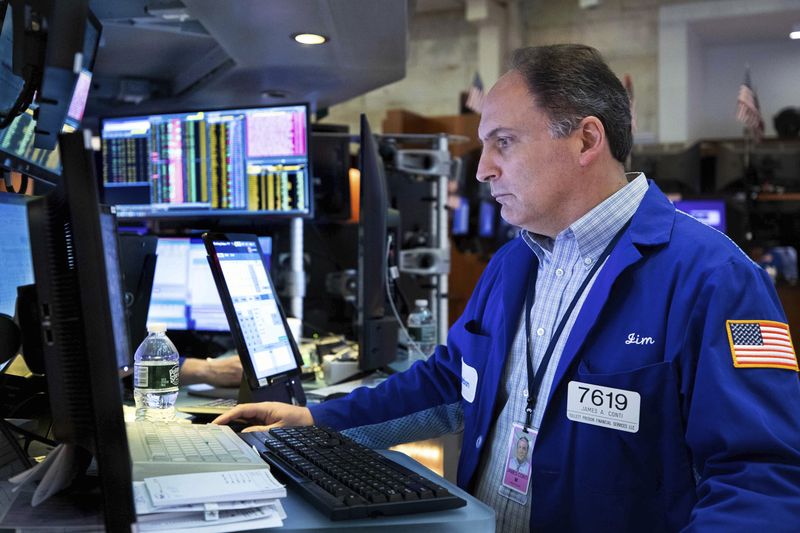
The so-called “Blue Wave,” signaling a sweeping Democratic victory in the U.S. midterm elections, became a reality, and global stock markets broadly fell on the 4th (local time). Ahead of the New York market open, futures on the tech-heavy NASDAQ-100 Index fell 2.1%, while S&P 500 futures dropped 1.2%. Futures on the STOXX Europe 600 also fell 1.3%.
The impact on Asian markets was even greater. Japan’s Nikkei 225 plunged 4.5% during the session, falling to its lowest level since May, while South Korea’s KOSPI fell 3.4% intraday. Semiconductor companies that had benefited from increased investment in the U.S. AI industry were hit particularly hard. Shares of SK hynix and Samsung Electronics were both falling. Japan’s SoftBank, which holds about a 13% stake in OpenAI, also fell as much as 9.1% at one point.
The dollar also weakened. The U.S. Dollar Index (DXY), which measures the dollar’s value against the currencies of major trading partners, fell 0.5% to its lowest level in more than a month. The move is seen as reflecting expectations that Democratic control of Congress and slower investment in AI infrastructure could weigh on U.S. economic growth.
The market’s biggest concern is tighter regulation of AI data center construction. With the Democrats expected to secure majorities in both chambers of Congress, and having also won in major AI investment hubs such as Texas and Ohio, concerns are emerging that construction of new data centers could be delayed.
In particular, the governors of Texas and Ohio can affect data center construction through land-use regulations and permitting procedures. Investors are watching for the possibility that Democratic governors could take steps to restrict or temporarily halt new data center construction, citing power consumption and the burden on local communities.
Priya Misra, a portfolio manager at J.P. Morgan Asset Management, told the Financial Times (FT), “Divided government is generally positive for the stock market because it means fewer policy changes, but this time the Democrats could pursue AI regulation.” She added, “There is bipartisan pushback against data center construction, and given how heavily the U.S. economy and stock market depend on AI, the election result could be a negative for stocks,” expressing concern.
Doubts had already been growing in U.S. markets about the sustainability of increased investment in AI. The NASDAQ-100 Index, which hit a record high last month, has fallen about 10% through this week, entering correction territory. Analysts say the midterm election results have added to the downward pressure on shares of AI-related companies.
[email protected] Correspondent Lee Byeong-cheol Reporter