Morgan Stanley CEO: “AI investment is about two innings into a nine-inning game”
- Input
- 2026-11-04 10:14:47
- Updated
- 2026-11-04 10:14:47
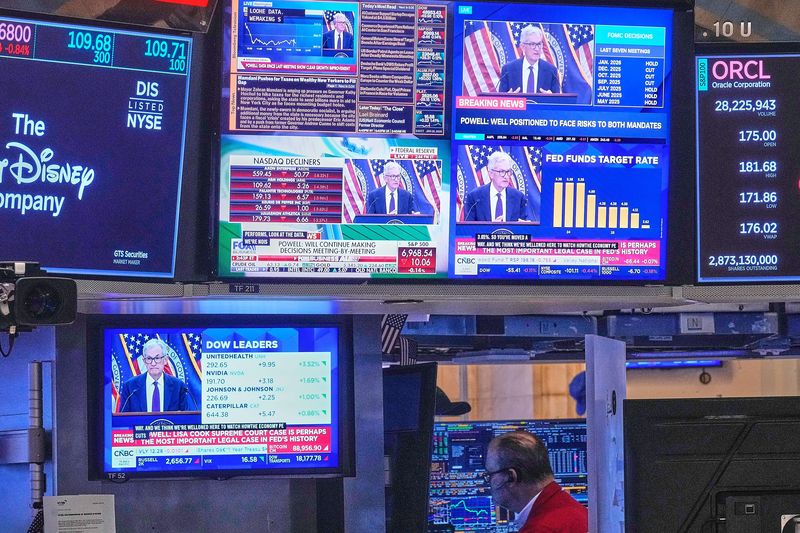
[Financial News]Wall Street financial firm chiefs said demand for investment in AI infrastructure remains enormous, while warning of the possibility of excess and saying more equity financing will be needed.
Foreign media reported that Ted Pick, CEO of Morgan Stanley, said at the Global Investment Summit hosted by the Hong Kong Monetary Authority (HKMA) on the 3rd, local time, that cumulative AI investment could reach $10 trillion to $15 trillion over the next 10 years (about 13 quadrillion to 20 quadrillion won).
Pick added, “AI investment is about two innings into a nine-inning game.”
He predicted that investment returns would continue over the long term and that productivity gains could lift U.S. real gross domestic product (GDP) by 0.5 to 0.7 percentage points a year.
David Solomon, CEO of Goldman Sachs, also said at the same event that it was the cost of capital, not the availability of financing, that constrained deal size, adding, “There will be robust financing to meet demand.”
Reuters reported that Jonathan Gray, COO of Blackstone Inc., said demand for computing power “is far outstripping supply” and expected most large technology companies to raise more capital. Pick, however, pointed to early signs of a correction, noting that many constituents of major U.S. stock indexes had fallen nearly 10%.
Daniel Pinto, vice chairman of JPMorgan Chase, said he was optimistic about AI, but that the market was pricing in overly steep revenue and earnings growth at related companies, adding, “There could be a correction in the AI sector.”
PIMCO CEO Emmanuel Roman warned that the scale of AI financing could be too much for the market to absorb, saying, “At some point, there will be too much of it.”
Roman said the amount needed would be “enormous” even if financing were raised through a mix of equity and debt, comparing it with the global corporate bond market, which is worth about $20 trillion.
Gray said that as the share of lending to companies leading the build-out of AI infrastructure increases, more financing through equity would be needed.
He said the sheer scale of capital needed for AI was concentrating lenders’ risk in one place, both across the industry as a whole and within individual companies, and called for financing to combine equity and bond markets, banks and private capital.
[email protected] Lee Seok-woo, International Affairs Correspondent Reporter