211 Livestock-Barn Fires in Jeonnam-Gwangju Over the Past Five Years; Gwangju Special City Ramps Up Fire-Prevention Efforts
- Input
- 2026-11-04 09:15:36
- Updated
- 2026-11-04 09:15:36
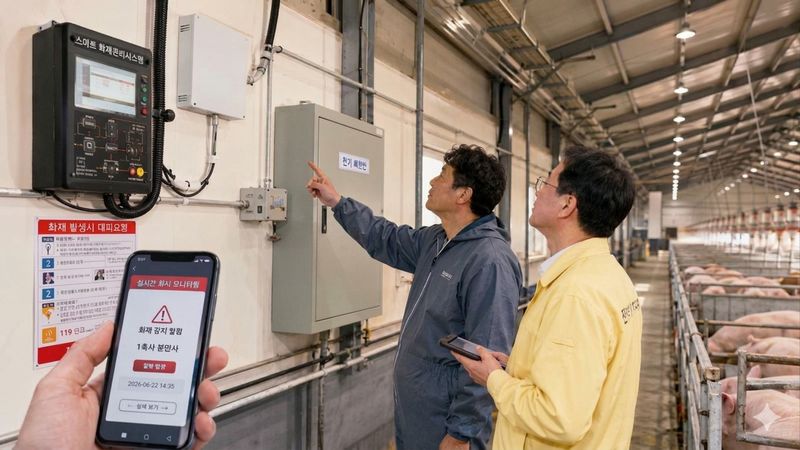
【Financial News Jeonnam-Gwangju = Hwang Tae-jong, Reporter】Over the past five years, 211 livestock-barn fires in Jeonnam-Gwangju caused 28.1 billion won in property damage. The Jeonnam-Gwangju Integrated Special City (Gwangju Special City) is stepping up efforts to prevent livestock-barn fires this winter.
According to the Jeonnam-Gwangju Integrated Fire Headquarters on the 4th, livestock barns require careful maintenance because heating equipment and ventilation fans are operated for long periods, and dust and debris can easily accumulate around electrical equipment.
In particular, aging wiring and overloaded electrical equipment can cause fires, while flames may spread quickly if combustible materials such as insulation are nearby. From 2021 through 2025, there were 211 livestock-barn fires in the Jeonnam-Gwangju region, causing 28.1 billion won in property damage. Electrical factors were the leading cause, accounting for 103 cases (48.8%), followed by carelessness, which accounted for 52 cases (24.6%). As of October this year, there had been 17 fires: 10 in cattle barns, five in pig barns and two in poultry houses.
To prevent livestock-barn fires in winter and minimize losses for farmers, Gwangju Special City will inspect a total of 1,362 farms by December 10, including 470 pig farms and 892 farms raising 3,000 or more chickens or ducks. Livestock farms will first conduct voluntary inspections and remove fire hazards themselves, after which city and county governments and fire agencies will verify that the measures have been carried out.
Son Myeong-do, director of Gwangju Special City's Agriculture, Livestock and Food Bureau, said, “Preventing livestock-barn fires starts with small steps, such as regularly removing dust around electrical equipment and checking the condition of heating equipment.” He added, “We will encourage farms to take preventive measures voluntarily and work with fire agencies to strengthen inspections, support for facility improvements and follow-up management.”
First, Gwangju Integrated Special City plans to have farms use inspection checklists by the 16th to check their electrical, heating and ventilation systems and remove dust, debris and combustible materials around electrical equipment. They will also be instructed to identify and address hazards, including aging wiring and electrical equipment that may be overloaded, and submit the results of their actions to their city or county government.
From the 17th through December 10, city and county governments and fire agencies will jointly inspect whether farms have carried out preventive measures. For pig farms, the relevant city or county government and local fire station will conduct on-site inspections together. They will also hold phone interviews, taking into account biosecurity measures against African swine fever (ASF) and wasting diseases.
To minimize visits to poultry farms during the special avian influenza (AI) prevention period (October 1, 2026–February 28, 2027), city and county governments will use phone interviews and supporting materials such as photographs to check whether fire hazards have been removed and safety measures are being maintained.
Key inspection items include: the condition of aging wiring, residual-current circuit breakers and distribution panels; whether heating equipment is overheated or damaged; whether dust, debris and combustible materials have been removed from around electrical equipment; whether fire extinguishers are available and usable; and whether regular electrical safety inspections have been conducted.
Gwangju Special City also plans to provide information on livestock disaster insurance enrollment and guidance on fire prevention and preparing for power outages.
Son Myeong-do, director of the Agriculture, Livestock and Food Bureau, said, “We plan to check how city and county inspection teams are operating and review their progress. If we find shortcomings at a farm, we will guide it to take the necessary corrective measures, such as replacing aging wiring and checking whether its electrical equipment has adequate capacity.”
He added, “We will strengthen follow-up management, including considering whether to restrict support under livestock-industry programs in 2027 for farms that fail to conduct voluntary inspections or submit photos of the measures taken. For farms that need facility upgrades, we will support improvements through programs such as the livestock-barn fire-prevention system installation support project.”
[email protected] Hwang Tae-jong Reporter