Government: “Hard to predict South Korea-U.S. ties after U.S. midterms” ... Changes in security and trade inevitable
- Input
- 2026-11-04 08:44:03
- Updated
- 2026-11-04 08:44:03
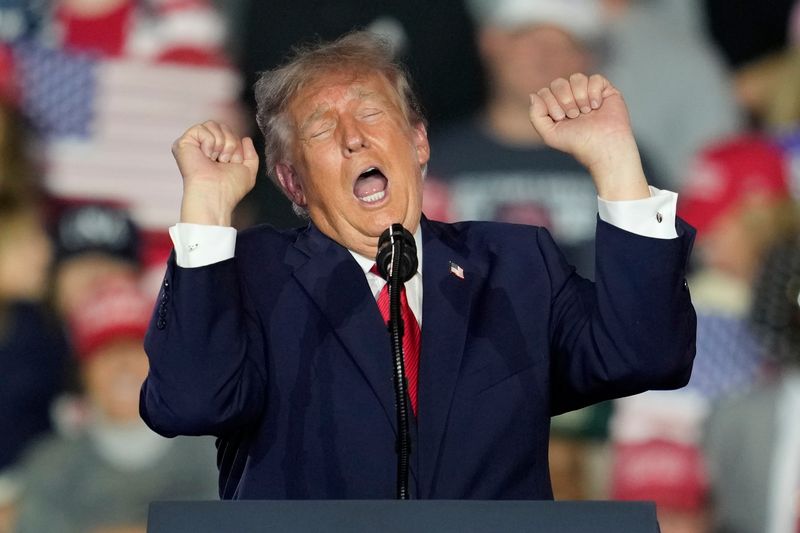
According to the Ministry of Foreign Affairs on the 4th, the government is exploring responses to different scenarios involving changes in the landscape of trade and security between South Korea and the United States after the U.S. midterm elections. A ministry official said, “Anticipating the impact of the midterms, we have conducted outreach not only to key figures in the U.S. Congress but also to everyone involved in the election.” The official added, “We will continue to strengthen communication with those elected in the U.S. midterms and build networks in support of the South Korea-U.S. alliance.”
However, the official said it was still difficult to predict how U.S. policy would change depending on the midterm election results. The government plans to further strengthen communication channels through its ongoing engagement with the U.S. side, so that South Korea-U.S. relations can continue smoothly after the election without disruption.
The broad direction of the South Korea-U.S. alliance is unlikely to change significantly after the U.S. midterms, but fine-tuning of policies such as the tariff measures pursued by President Trump is also expected. If the opposition Democrats reclaim majorities in both chambers of Congress and confront the White House, they are unlikely to be able to overturn Trump’s high-tariff policy itself.
However, by taking control of hearings and the power to review budgets, the Democrats could apply political brakes to the administration’s indiscriminate trade pressure. At the same time, a challenge of “congressional diplomacy” is likely to arise: individually persuading and managing Democratic lawmakers to resolve major South Korea-U.S. military agreements, including the introduction of Korean-style nuclear-powered submarines and the transfer of wartime operational control. The Democrats also support attracting investment and reviving manufacturing at home, so pressure to follow through on South Korea’s pledged investments in the United States is expected to continue.
The possibility is low, but if the Republicans retain majorities in both the House and Senate as before, the Trump administration’s across-the-board pressure is expected to continue. With Congress’s ability to provide checks weakened, forceful pressure could come immediately after the election, using measures such as reducing U.S. forces stationed in South Korea as leverage to demand a steep increase in South Korea’s defense cost-sharing payments. The campaign pressuring South Korean companies to create jobs and make additional investments in the United States would also intensify considerably. If progress on investment commitments to the United States falls short, the administration could use that as a pretext to turn high tariffs into a weapon.
Regardless of the congressional results, President Trump could still pursue another abrupt North Korea-U.S. summit in a “top-down” format to showcase his diplomatic achievements. [email protected] Reporter Kim Kyung-soo
[email protected] Kim Kyung-soo Reporter