Jeju Air: Growth in Japan routes and business improvements... target price raised 14%
- Input
- 2026-11-04 08:03:27
- Updated
- 2026-11-04 08:03:27
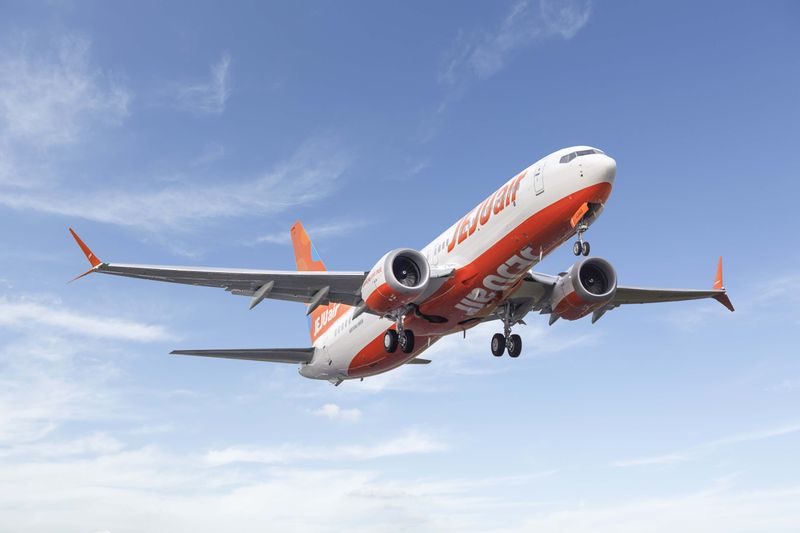
[Financial News] On the 4th, iM Securities raised its target price for Jeju Air from 7,000 won to 8,000 won. It maintained its “Buy” recommendation.
iM Securities analyst Bae Se-ho said, “With third-quarter operating profit greatly exceeding our previous forecast, Japan-focused operations and cost efficiencies from introducing the B737-8 are contributing to an earnings recovery.” He added, “Net income of 203.2 billion won in the third quarter and the issuance of 100 billion won in hybrid securities have substantially expanded the company’s capital base.”
From January through September this year, passenger traffic on Japan routes totaled 24.1 million, up 20.6% from the same period last year. Over the same period, Jeju Air carried 3.7 million passengers on its Japan routes, a 28.9% year-on-year increase that outpaced market growth.
At the end of October, the B737-8 fleet had grown to 14 of Jeju Air’s 43 passenger aircraft (32.6%). The share is expected to approach half as about seven aircraft are introduced in 2027 and existing aircraft are returned. According to Jeju Air’s estimates, the B737-8 consumes about 15% less fuel than its existing aircraft, and its total cost of ownership (TCO) under a finance lease is about 14% lower than that of a B737-800 under an operating lease. Japan-focused operations and the expansion of the newer fleet are expected to strengthen its profitability relative to other low-cost carriers (LCCs).
Financial health also improved substantially. Standalone total equity rose to 510.8 billion won, reflecting third-quarter net income of 203.2 billion won, including foreign-exchange translation gains and gains on aircraft disposals, as well as the issuance of 100 billion won in hybrid securities. The accumulated deficit was eliminated, and the debt-to-equity ratio fell from 1,134% in the second quarter to 395% in the third quarter.
Bae judged that, considering cash and cash equivalents of about 150 billion won at the end of the third quarter and the recovery in operating cash flow, the short-term funding burden from expected fourth-quarter capital expenditure of about 100 billion won would be manageable.
[email protected] Kang Gu-gwi Reporter