US Midterm Prediction Markets Draw 2.5 Trillion Won in Bets
- Input
- 2026-11-04 03:05:48
- Updated
- 2026-11-04 03:05:48
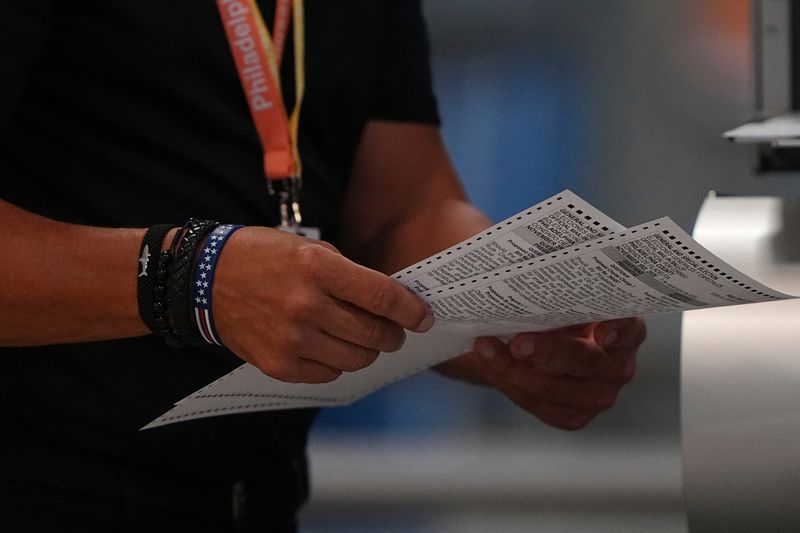
Americans are estimated to have wagered close to $1.9 billion (about 2.55 trillion won) on prediction markets for this midterm election on the 3rd (local time). Money has been wagered on more than 7,000 bets, ranging from what a particular candidate might say on the campaign trail to election results.
According to an analysis by The Washington Post (WP), of the $1.9 billion wagered, $1.3 billion is on Kalshi and about $600 million is on Polymarket.
The two prediction markets’ forecasts of the election outlook were not significantly different.
Kalshi put the Democrats’ chances of taking control of the House at 93% and their chances of retaking the Senate at 74%.
This prediction market, which is regulated by the U.S. Commodity Futures Trading Commission (CFTC), is growing as a result of this midterm election. Just four years after its launch, it is becoming deeply embedded in Americans’ lives.
On prediction markets, traders bet on the outcomes of real-world events, such as which candidate will win. If the outcome matches their bet, they receive $1; otherwise, they get nothing. Traders can place multiple bets on the same event, giving them the prospect of greater rewards. Unlike in traditional gambling, the price of a bet is determined by supply and demand rather than set by the operator. A bet on an unlikely event might be priced at $0.10, while one on a likely event might be priced at $0.90.
According to WP, the amount wagered on this midterm election is far smaller than during the 2024 presidential election. At the time, more than $3.6 billion was wagered on Polymarket alone. Traders bet on whether Donald Trump or Kamala Harris would become president after facing off in the presidential election.
It is not known how many people wagered on predictions for this midterm election or how often they did so, because transactions are anonymous.
The anonymity allows anyone to place bets, raising concerns about potential conflicts of interest.
This year, Kalshi barred several candidates, including candidates for the U.S. House in North Carolina, from betting on their own elections. According to U.S. public broadcaster NPR, many campaign consultants are betting on multiple elections, including those in which they are involved.
WP noted that the 24% chance of Republicans retaining their Senate majority is nearly the same as the 25% chance of getting heads both times when flipping a coin twice, and said it would not be all that surprising if Republicans held onto the Senate.
[email protected] Song Kyung-jae Reporter