Even after a dementia diagnosis, there’s somewhere to go: ‘dementia cafés’ open in neighborhoods across Japan
- Input
- 2026-11-05 17:00:00
- Updated
- 2026-11-05 17:00:00
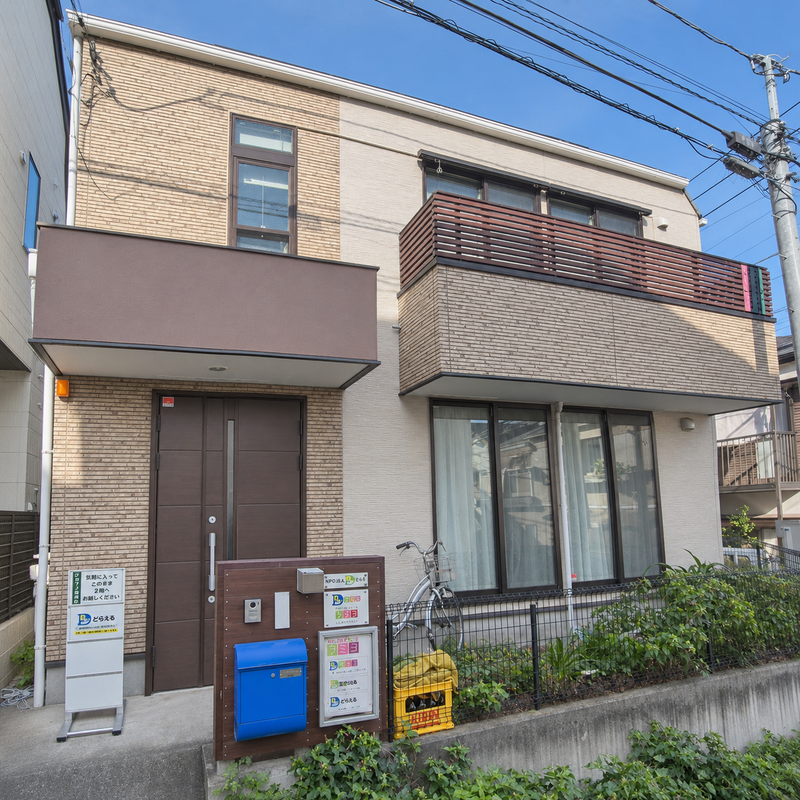
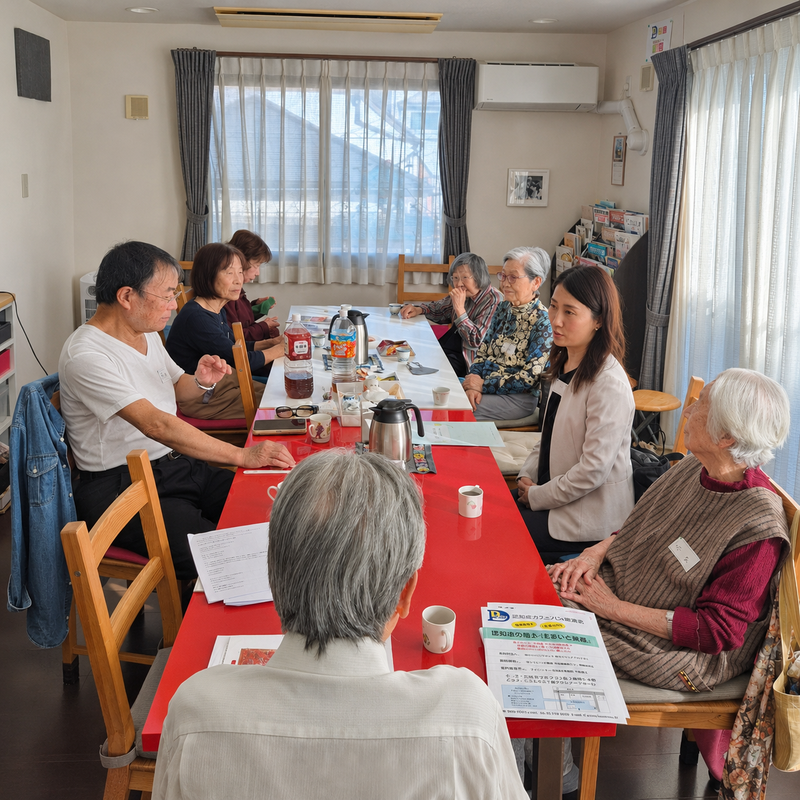
The reporter also wrote their name on the attendance list and paid the 300-yen fee (about 2,550 won). The fee was said to cover costs for the gathering, including coffee. Others arrived soon afterward, took their seats and joined the conversation. With no formal host, people talked about homes, moving and family, then moved on to topics such as caring for parents at home and the cost of care facilities.
Sonaeru means “to prepare” in Japanese. “If someone says they’re looking for a care facility, we talk about it together,” Takeuchi explained. Instead of following a set agenda, participants’ concerns became the topic of the day. On the 12th, on-the-ground examples will also be presented at the 2026 fn Senior Industry Conference, to be held at Bankers’ Hall in Myeongdong, Seoul.■ Neighborhood gatherings that prevent isolation after diagnosis After a dementia diagnosis, people may find it difficult to tell others, or outings and social visits may dwindle, leaving family members isolated as well. Dementia cafés help people with dementia and their families connect with the local community by meeting others with similar experiences, local residents and experts.
The model originated with the Alzheimer Café, which began in the Netherlands in 1997. In Japan, grassroots gatherings emerged in the early 2010s. In 2015, the Japanese government also helped the cafés spread by including information sharing and mutual understanding through dementia cafés in its comprehensive dementia policy, the New Orange Plan.
According to the Ministry of Health, Labour and Welfare’s 2024 survey, 9,105 dementia cafés were operating in 1,599 municipalities, or 91.8% of municipalities nationwide. The operators included community comprehensive support centers (25%), care facilities and service providers (24%), and volunteers and local residents (22%), among others.
The names and formats vary by region. A café does not necessarily mean a shop that sells drinks every day. Many gatherings take place once or twice a month for about two hours at care facilities, community centers and other venues. Through conversation, lectures and music events, people with dementia enjoy activities while family members share their experiences and concerns.
In Machida, Tokyo, dementia cafés are held regularly at Starbucks locations. People with dementia, their families and experts talk in the same space as other customers.
At hospitals and elder-care facilities, people ask medical staff about health concerns, or residents mingle with local people. Activities also vary, including sharing memories through old films and music and asking questions of experts.■ From care to housing, money and contractsSonaeru focuses on housing, costs and contracts for when care becomes necessary. Yuko Miyauchi, head of My Partner Judicial Scrivener Office, which helps organize the gatherings, described it as “a group where people can decide in advance how to handle their own affairs.” Miyauchi is a judicial scrivener, a legal professional who handles matters such as registration, inheritance and adult guardianship.
Care also entails facility contracts, payments and asset management. Miyauchi supports older people who have no family or find it difficult to get help. Many of them want to stay at home until they can no longer live independently. To make that possible, care services, housing and financial matters need to be considered together. That is why preparation is necessary even for those with no immediate plans to move into a facility.
Consultations at the café are distinct from paid work. Miyauchi said, “Listening to people here is unpaid,” adding, “Taking on a specific task incurs a fee.” The participation fee and professional fees are separate, and people can ask what help they need before commissioning work.
Still, some people cannot make it to the gatherings. Miyauchi said, “The people I meet have already asked for help.” Reaching older people who are unable to ask for help remains a challenge.
[email protected] Seo Hye-jin Reporter