Saudi Aramco posts 49 trillion won in third-quarter net profit; considers expanding East-West pipeline
- Input
- 2026-11-03 19:56:01
- Updated
- 2026-11-03 19:56:01
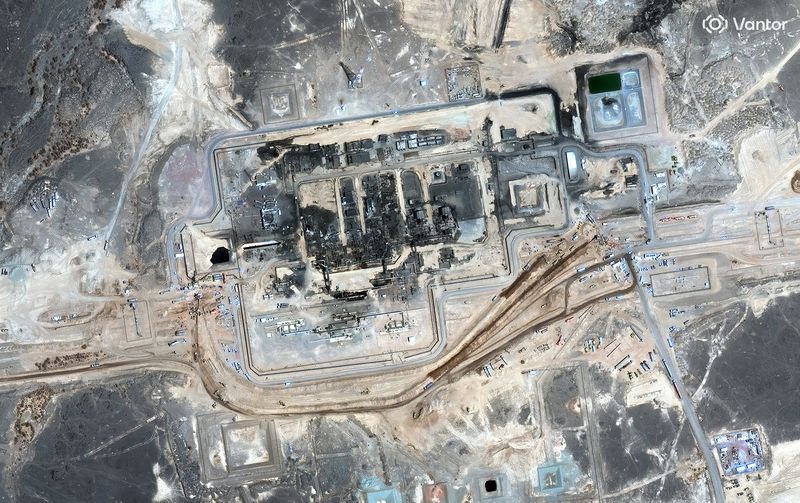
[Financial News] Saudi Aramco, Saudi Arabia’s state-owned energy company, which had ramped up oil exports during a pause in fighting in the Iran war, posted net profit of about 49 trillion won in the third quarter. The company plans to expand the East-West Crude Oil Pipeline, which carries oil for export while bypassing the Strait of Hormuz, to increase exports.
In an earnings report posted on its website on the 3rd (local time), Saudi Aramco said its net profit for July through September rose 34.5% year on year to $36.25 billion (about 48.7381 trillion won). Revenue this quarter was about 10% higher than the previous quarter’s net profit of $32.7 billion.
During the first half, when the Iran war was at its height, Saudi Aramco responded by transporting oil from eastern oil fields through the East-West Crude Oil Pipeline and exporting it via the Red Sea from western ports. In addition, when the United States and Iran briefly halted hostilities after signing a memorandum of understanding to end the war in June, Aramco attracted buyers by delivering oil to just outside the Strait of Hormuz and transferring it between vessels at sea. As of September, the reliability of Aramco’s export shipments stood at 97.8%, not far below the 99.9% recorded a year earlier.
That situation also became precarious when Iran-aligned Houthi rebels in southern Yemen attacked the pipeline and oil facilities. Aramco’s oil production in September averaged 8 million barrels per day, below the 10 million barrels per day recorded before the war. Despite the decline in production, Aramco was able to offset losses in net profit thanks to the rise in oil prices caused by the Iran war.
Saudi Aramco CEO Amin H. Nasser said at an earnings presentation on the 3rd that continued disruption to oil shipments through the Strait of Hormuz was changing oil distribution flows and related investment priorities. He said the impact of the situation was extending far beyond energy markets, and that the company was exploring the possibility of expanding the East-West Crude Oil Pipeline, as well as securing additional export routes and overseas storage capacity. Nasser explained, “Preliminary design work for expanding the East-West Crude Oil Pipeline is underway.”
He said the company planned to expand the East-West Crude Oil Pipeline’s transport capacity from its current level of about 7 million barrels per day to 10 million barrels per day. Nasser stressed, “More than 130 attacks on tankers have been reported so far, mostly targeting very large crude carriers (VLCCs), and freight rates have surged to at least 15 times their level a year ago.” He said global oil demand remained robust and asserted, “We are fully prepared to quickly increase production whenever the situation requires it.”
[email protected] Park Jong-won Reporter