Fears of cheating with smart glasses on the College Scholastic Ability Test (CSAT) ... Jeju teachers’ federation calls for proctor protections and a response system
- Input
- 2026-11-03 18:01:34
- Updated
- 2026-11-03 18:01:34
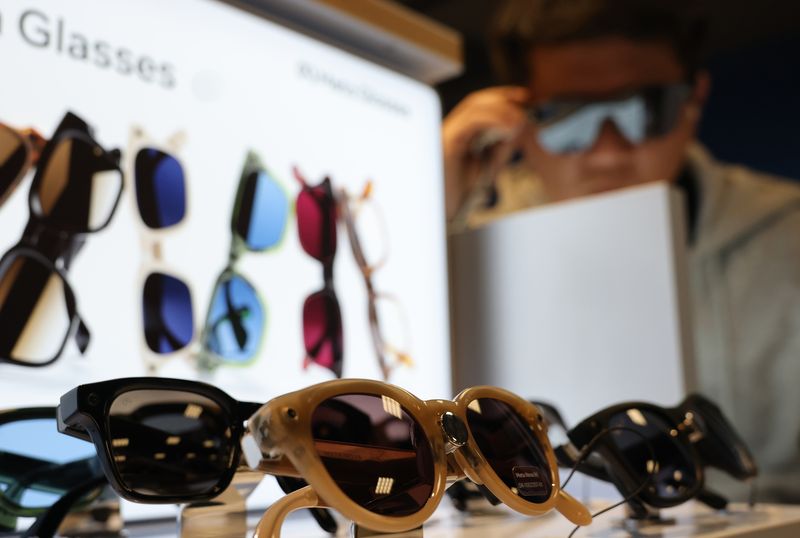
【Jeju = Jeong Yong-bok, Financial News】 Ahead of the CSAT on the 19th, a teachers’ organization in Jeju Province called for an on-site response system to address cheating with smart glasses. It said criteria for identifying smart glasses, which are difficult to distinguish from regular glasses, should be made clear and that proctors should not bear the burden of making those judgments alone.
On the 3rd, the Jeju Special Self-Governing Province Federation of Teachers’ Associations said it had called on the Jeju Provincial Office of Education to establish procedures for identifying and checking smart glasses at each CSAT test site in the province, as well as measures to protect proctors.
After test-takers wearing smart glasses were caught in a series of incidents at essay exams at the University of Seoul and Yonsei University, cheating with advanced electronic devices has emerged as a new challenge for administering the CSAT.
The Korean Institute for Curriculum and Evaluation listed smart glasses as a prohibited item in its guidelines for candidates taking the 2027 CSAT. Wearing or using them during the exam will invalidate that exam and suspend the candidate’s eligibility to take the test the following year. An exam may also be invalidated if a candidate possesses a prohibited item without handing it in.
The Ministry of Education also announced a response plan on the 29th of last month. Starting with this year’s CSAT, it will designate one dedicated staff member at each test site nationwide to help identify smart glasses, and operate an emergency contact system linking test sites with provincial and metropolitan education offices and KICE situation rooms.
The authorities will actively pursue criminal complaints or requests for investigations in cases of cheating involving smart glasses. They also plan to push for a legislative amendment to extend the current one-year suspension of eligibility to take the exam to three years.
The problem raised by the Jeju teachers’ federation is the difficulty of identifying smart glasses on site. Because they look similar to regular glasses, proctors may find them difficult to distinguish with the naked eye. If a case raises suspicion, proctors can ask the candidate to take off the glasses and set them aside, but detailed checks are to be conducted only after the exam session ends. The federation argues that procedures for responding during the exam need to be made more specific.
The Jeju teachers’ federation called for advance training and mock drills for proctors and dedicated staff at every test site in the province, response procedures for different types of suspected cases, and prompt decision-making support from the education office’s situation room. It also stressed the need for guidance to prevent candidates wearing regular glasses from being unfairly suspected.
The federation also called on the Jeju Provincial Office of Education to respond at the institutional level, including by providing legal support, if teachers who supervise exams according to established procedures become embroiled in complaints or legal disputes. It urged the office to ensure that candidates and their parents are fully informed in advance about prohibited items and the penalties for violations.
Jeju teachers’ federation chairman Jang Jeong-hun stressed the need for clear criteria and a support system at the education office level, saying, “The burden of preventing cheating must not be shifted onto individual proctors to make judgments and bear responsibility.”
[email protected] Jeong Yong-bok Reporter